A mild Indian meal should never feel like a compromise. The best dishes still arrive full of fragrance – toasted cumin, sweet tomato, warm cardamom, gentle ginger, and the smokiness of the tandoor – without the rush of chili heat. That is the pleasure of choosing mild Indian dishes well: you get depth, comfort, and a meal you can enjoy from the first bite to the last.
For a relaxed dinner in Putney, a family takeaway, or an order shared with friends who all have different heat preferences, the answer is not simply to choose the palest-looking curry. Heat, richness, creaminess, and spice are different things. Once you know what to ask for and which cooking styles naturally favor gentler flavors, ordering becomes much more rewarding.
Mild does not mean flavorless
Indian cooking builds flavor in layers. Whole spices may be toasted in oil, onions cooked slowly for sweetness, tomatoes reduced for acidity, and fresh herbs added at the end for lift. Chili is only one element of that picture. A mild dish can still be intensely aromatic, tangy, smoky, or richly savory.
This matters because a creamy sauce is not always mild, and a red sauce is not automatically hot. Some dishes gain their color from tomatoes, paprika, Kashmiri chili, or spices rather than fierce heat. Likewise, a dish described as “spiced” may be beautifully perfumed rather than fiery.
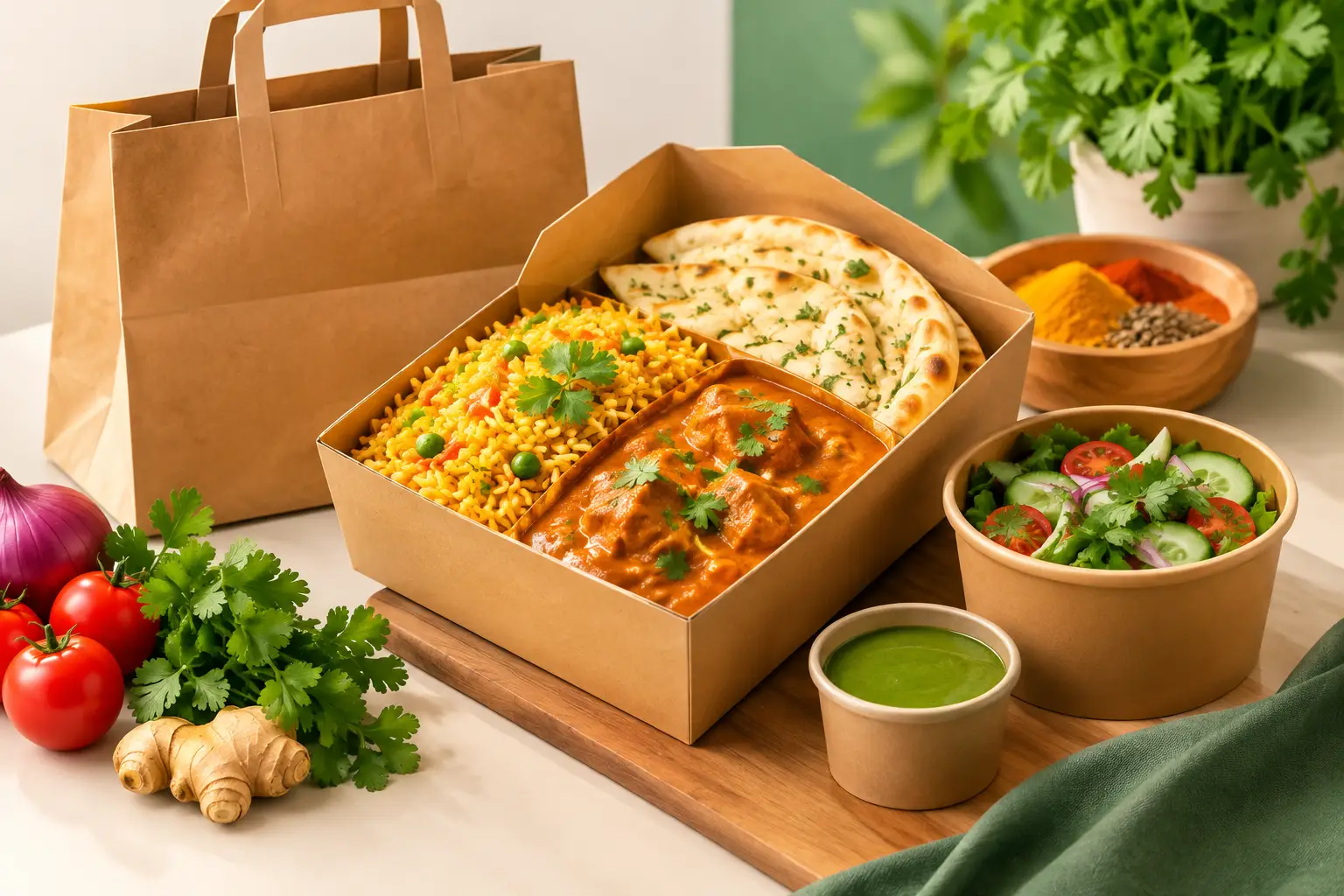
When ordering, tell the restaurant you are looking for gentle heat but plenty of flavor. That small distinction helps the kitchen guide you toward dishes where the spice blend can shine without too much fresh or green chili. At Cilantro London, made-to-order cooking makes this conversation especially useful, whether you are dining in or planning a takeaway meal at home.
Choosing mild Indian dishes by cooking style
Rather than memorizing a long list of dish names, start with the style of cooking. It is one of the clearest clues to how a dish will eat.
Tomato, yogurt, and nut-based curries
Curries built around tomato, yogurt, cream, ground nuts, or coconut often suit diners who prefer mild food. These ingredients soften sharp spice and create a rounded sauce, while still carrying garlic, fenugreek, coriander, and warming garam masala.
A butter-style chicken dish is a familiar choice for good reason: it is usually smooth, gently sweet from tomato, and rich with aromatic spice rather than chili. Korma-style curries are another natural option, especially for those who enjoy a silkier, subtly sweet profile. Depending on the recipe, they may feature coconut, cashews, almonds, or yogurt.
There is a trade-off. These sauces can be richer than a grilled dish or a lighter tomato-based curry. If you want mild food that feels less heavy, ask for a tomato-forward preparation, choose a lean protein, or balance the meal with vegetables, salad, and plain rice.
Tandoori dishes for smoky, gentle flavor
Tandoori cooking is an excellent route to a lighter mild meal. Chicken, fish, paneer, or vegetables are marinated in yogurt and spices, then cooked at high heat for a charred edge and tender center. The flavor comes from the marinade and the tandoor’s heat, not from a thick, heavy sauce.
Tandoori chicken, chicken tikka, paneer tikka, and grilled vegetables can all be satisfying choices when you want fragrance and texture without a fiery curry. A cooling yogurt-based accompaniment can add brightness, while a side of lentils or vegetables makes the plate feel complete.
Do ask about the marinade, as recipes vary. A tandoori dish may contain chili for color and balance, but it can often be prepared with reduced heat. The key is to specify your comfort level rather than assuming “grilled” always means mild.
Lentils, vegetables, and paneer
Vegetarian dishes offer some of the most comforting mild options on an Indian menu. Dal, when prepared with a gentle tempering of cumin, garlic, turmeric, and a little ginger, is warming and deeply satisfying without needing much chili. It is also an easy dish to share with guests who have different spice tolerances.
Paneer dishes can be mild and substantial, particularly in tomato, spinach, or creamy sauces. Saag-style preparations bring an earthy, savory quality, while a paneer tikka offers the smoky appeal of the grill. Vegetable curries made with cauliflower, peas, potatoes, eggplant, or mixed seasonal vegetables can also be beautifully mild, though some regional recipes are naturally hotter than others.
If dietary preferences are part of the decision, do not treat mild as a substitute for asking questions. Vegan, vegetarian, and gluten-free needs deserve their own conversation with the restaurant, especially where sauces, marinades, and breads are concerned.
What to ask when ordering mild Indian food
The simplest request is also the most helpful: “Could you make this mild, with low chili, but keep the aromatic spices?” It tells the kitchen that you are not asking for a bland dish. You want warmth from cumin, coriander, cardamom, cloves, and cinnamon, while avoiding the lingering burn of fresh chilies or chili powder.
It can also help to mention whether you mean truly no heat or just a gentle warmth. These are different requests. Someone who enjoys black pepper, ginger, and a little chili can choose more widely than someone who needs a completely chili-free meal.
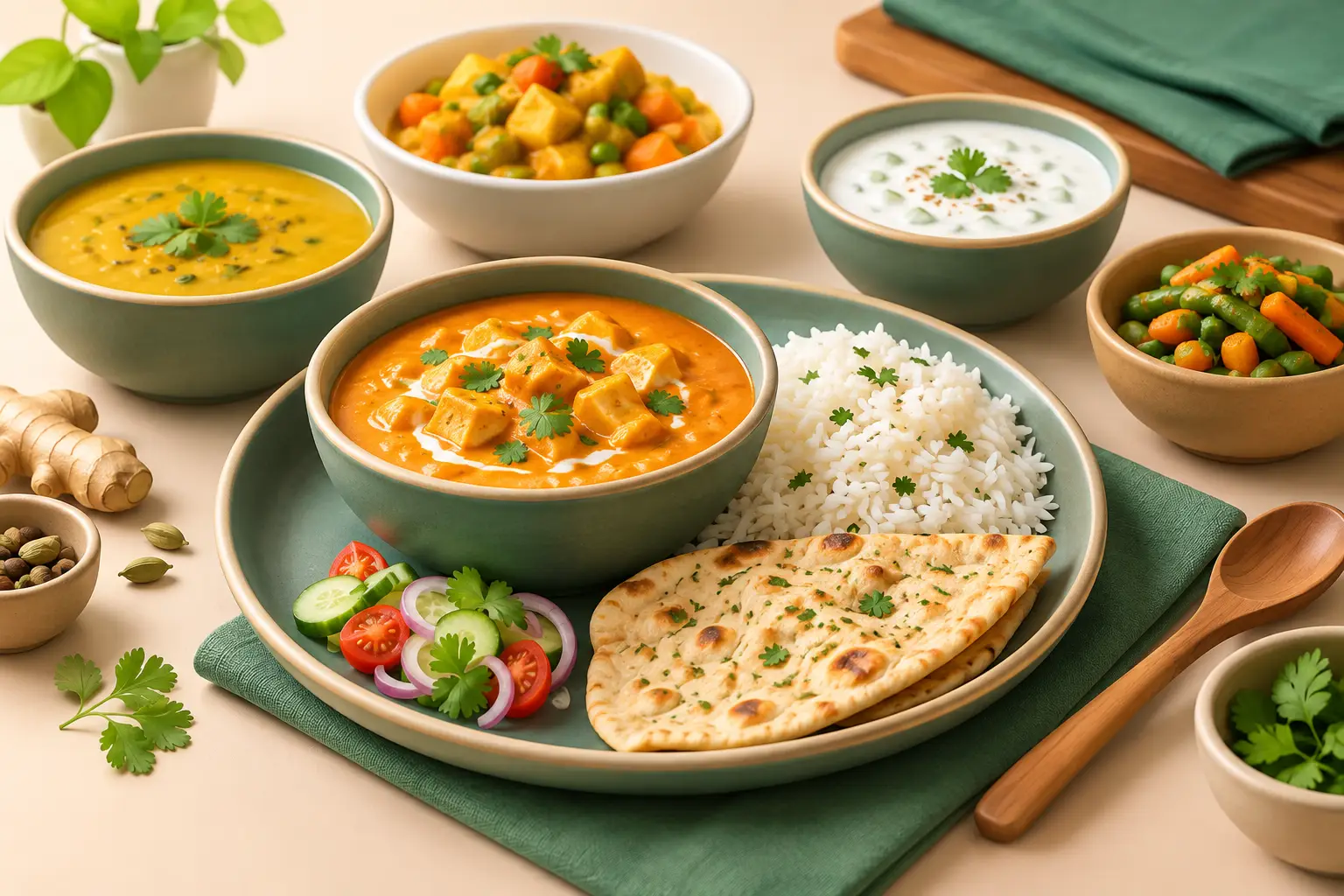
If you are ordering for a group, choose one naturally mild main and one medium-spiced dish with a cooling side. This gives everyone options without turning the table into a heat challenge. For families, a mild chicken or paneer dish, dal, basmati rice, and naan is often a more flexible starting point than several similarly rich curries.
Build a balanced mild meal
A well-chosen side can change the whole experience. Plain basmati rice gives a fragrant curry room to shine and softens spice naturally. Naan is ideal for scooping up a creamy sauce, while roti tends to feel lighter and lets the spices come through more clearly. A crisp salad or cucumber yogurt accompaniment brings freshness and contrast.
Avoid ordering every dish from the same rich category. A creamy curry, buttery bread, and fried starter can be delicious, but the meal may feel heavier than intended. Pair a sauce-based main with tandoori cooking, vegetables, lentils, or salad for more variety in texture and flavor.
Biryani can work for mild diners too, but it is worth checking the heat level. Its appeal comes from fragrant rice, herbs, and whole spices, yet the protein or vegetable mixture underneath may be more assertively spiced than expected. Ask whether it can be made mild, and consider a cooling yogurt side alongside it.
A few menu terms to approach thoughtfully
Words such as jalfrezi, vindaloo, phaal, and madras usually signal a stronger chili presence. That does not mean they are off-limits to every mild diner, but they are rarely the most comfortable place to begin. Rogan josh, bhuna, and balti dishes vary much more by recipe, so asking is wiser than relying on the name alone.
“Masala” simply means a spice blend or spiced preparation. It is not a heat warning by itself. Chicken tikka masala, for example, is often a friendly choice, but every kitchen has its own balance of tomato, cream, and chili. The same principle applies to curry: it is a broad category, not a reliable heat scale.
The most memorable mild meals have contrast – smoke against freshness, creamy sauce beside crisp salad, warm spice lifted by herbs. Choose the dish that sounds delicious, explain the level of heat you enjoy, and let the kitchen help you find the gentler side of Indian cooking without leaving its character behind.