A great Indian meal has a particular kind of freshness: the lift of toasted cumin, the brightness of ginger, the warmth of a sauce that has not been sitting under a heat lamp. So, is Indian takeaway freshly made? Often, yes – but the honest answer is more nuanced than a simple yes or no. The best restaurants prepare key elements ahead with care, then finish your food to order so it arrives full of flavor, texture, and character.
For diners in Putney and nearby neighborhoods, knowing the difference can help you choose takeaway that feels like a proper dinner rather than a heavy convenience meal.
What “freshly made” really means for Indian takeaway
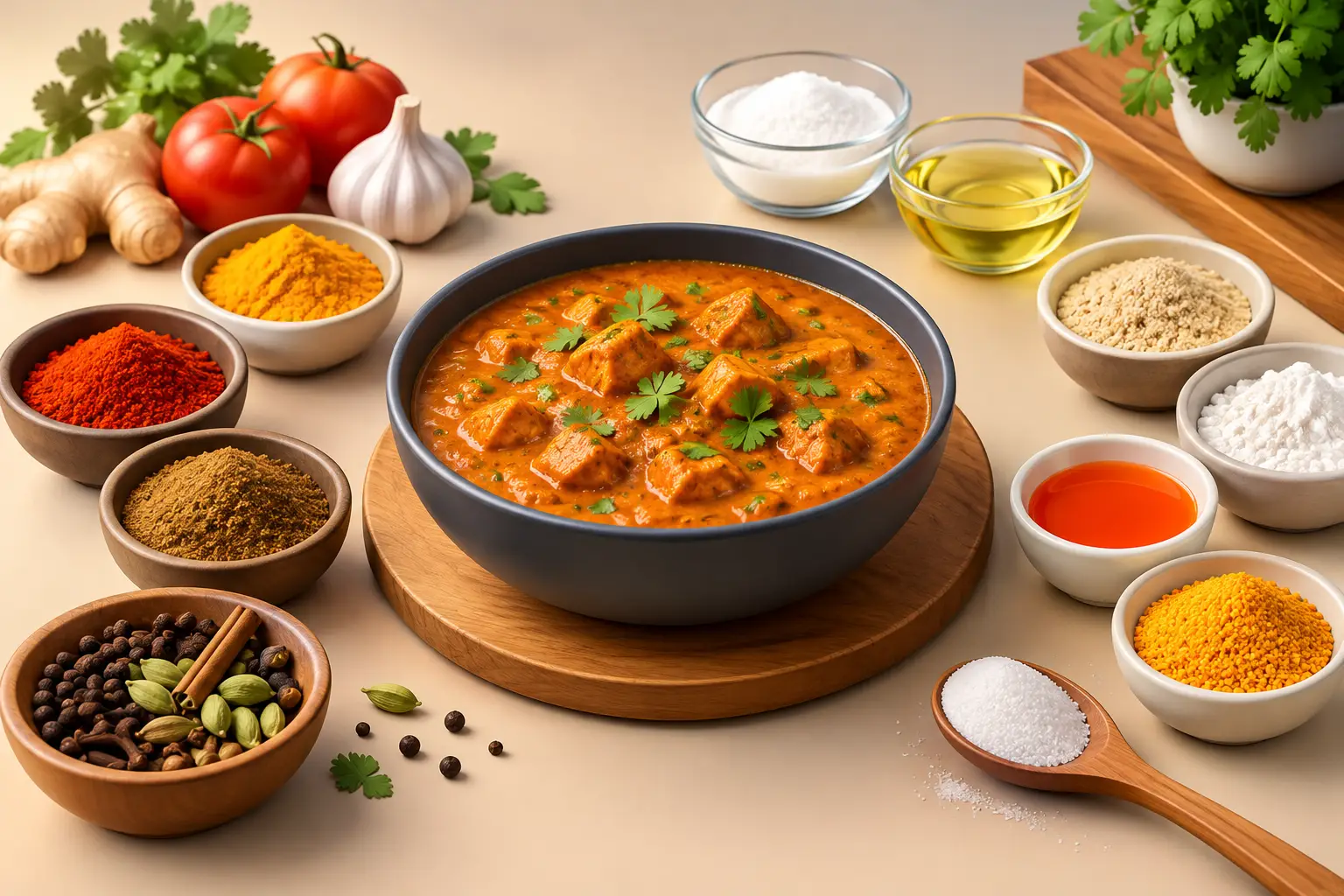
Freshness is not the same as starting every dish from raw ingredients the moment an order appears. Indian cooking relies on layers of preparation. A well-made curry may begin with a base sauce that has taken hours to cook down with onions, tomatoes, garlic, ginger, and whole spices. Dal needs time for its lentils to soften. Biryani benefits from careful preparation of its rice, aromatics, and marinated ingredients.
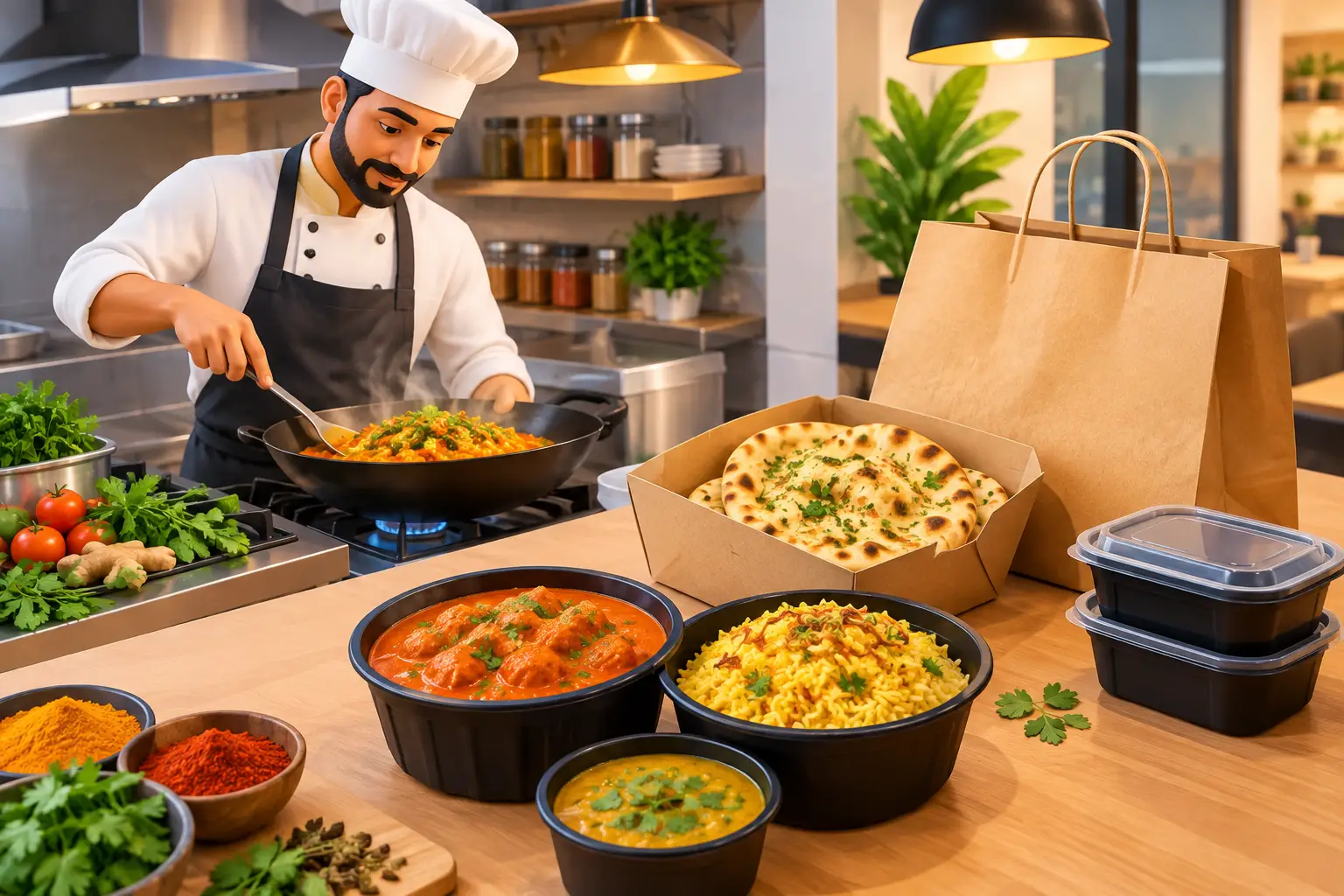
Preparing these foundations in advance is not a shortcut when it is done properly. It is how a kitchen creates depth and consistency during a busy dinner service. The crucial question is what happens next. Fresh Indian takeaway is built when a chef combines those prepared elements with your chosen protein or vegetables, spices, herbs, and finishing touches in response to your order.
That final cooking matters. It allows a chicken tikka masala to have its own balance of creaminess, spice, and heat, rather than tasting like a portion ladled from one large pan. It keeps a vegetable curry vivid instead of tired. It gives a tandoori dish its smoky edges and helps naan reach you soft, blistered, and fragrant.
Which parts are usually prepared ahead?
A thoughtful kitchen will prep ingredients before service because quality and food safety demand it. Vegetables are washed and cut, proteins are portioned and marinated, and spices may be ground or blended into house masalas. Sauces, stocks, chutneys, and marinades are also commonly made ahead. These are the building blocks that make quick service possible without sacrificing the recipe.
Some items are especially dependent on advance preparation. Tandoori chicken or paneer needs time in its yogurt and spice marinade. A slow-cooked lamb dish develops a better texture when its flavors have time to settle. Biryani components are carefully cooked before they are assembled and finished.
What should be made close to ordering is the part that determines the eating experience: sautéing, simmering, grilling, tempering, assembling, and garnishing. Rice should be properly steamed and held only as long as needed. Fried items should be cooked in small batches. Fresh herbs, lemon, chiles, and a final sprinkle of garam masala should not be an afterthought.
There is a practical trade-off here. A restaurant that cooks every component entirely from scratch for every single ticket may make customers wait far too long. One that prepares everything in huge batches and merely reheats it may be fast, but the food can lose its life. The sweet spot is skilled preparation paired with made-to-order finishing.
Signs your Indian takeaway is cooked with care
You can often tell before the first bite. Food that arrives hot, with distinct aromas rather than one flat smell of oil, has likely been handled well. Tandoori dishes should show charred spots from the grill, not an even, steamed appearance. A curry should have a sauce that clings to the ingredients, with color and texture that suit the dish rather than a generic, glossy thickness.
At the table, look for contrast. Fresh cilantro should smell herbal and bright. Onion salad should retain a crisp bite. A vegetable dish should have individual pieces with some shape and color, not uniformly soft vegetables. Naan should be tender, with a little chew and pockets of char.
Taste is the clearest test. Freshly finished Indian food has dimension: sweetness from onions, warmth from whole spices, tang from tomato or yogurt, and a clean finish from herbs or citrus. It should feel satisfying, not coated in excess oil or salt. Rich dishes can absolutely be indulgent, but richness should come from technique and ingredients, not simply from heaviness.
Is Indian takeaway freshly made when it is delivered?
Delivery adds another variable: time. Even beautifully cooked food changes in a sealed container. Steam softens crispy coatings, naan cools quickly, and rice can compact. That does not mean delivery cannot be excellent. It means a restaurant must pack and time each order carefully.
Saucy curries, dals, biryanis, and tandoori dishes generally travel well because they retain heat and moisture. Crisp starters are more vulnerable, particularly if they spend a long time in transit. If you are ordering for a specific time, choosing a delivery window that matches when everyone is ready to eat will make a real difference.
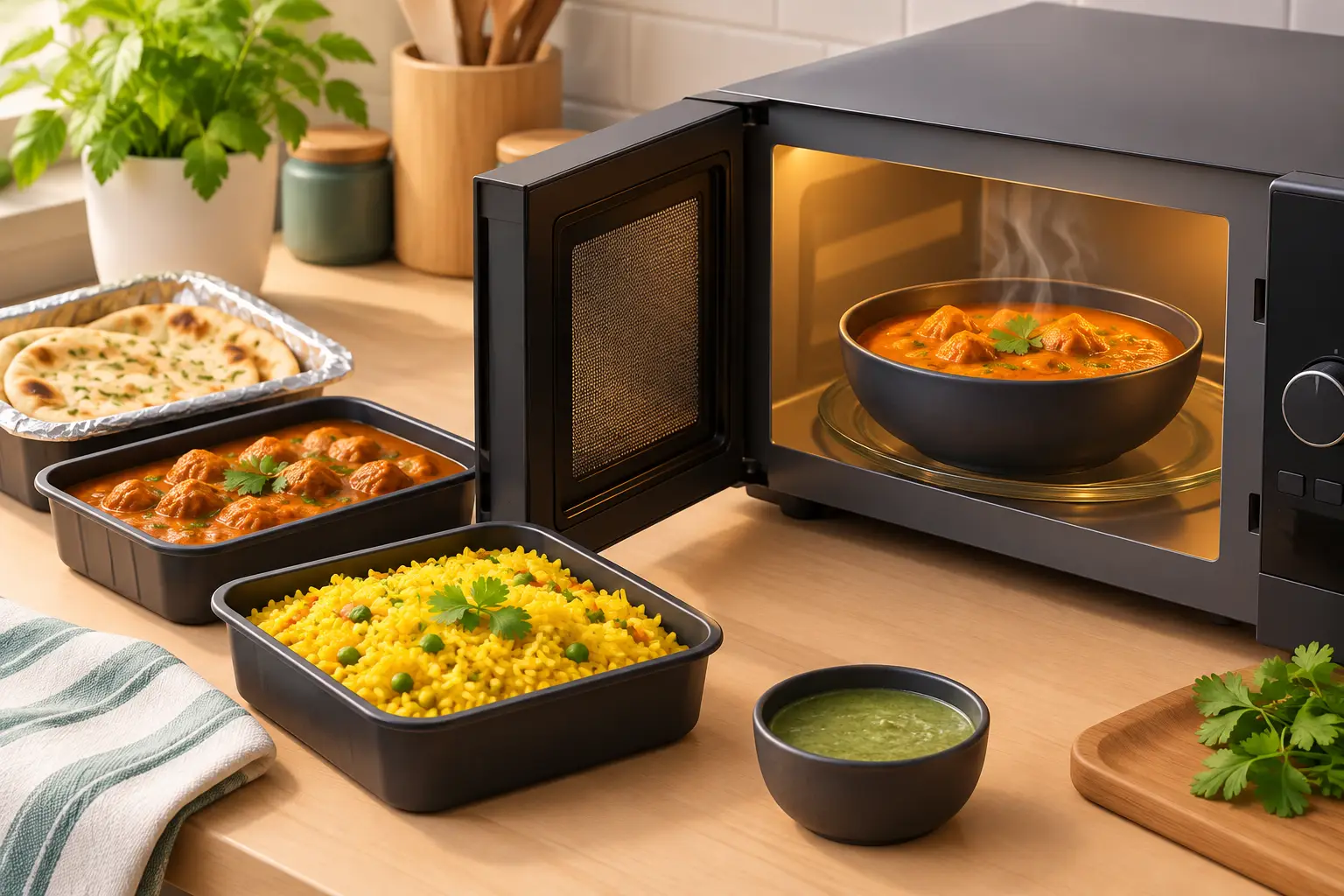
When your order arrives, open it promptly and serve it while it is hot. If you need to reheat a curry, do it gently on the stove or in short microwave intervals, stirring between each one. Add a splash of water if the sauce has thickened. Naan is best warmed briefly in a dry skillet or oven rather than microwaved for too long.
How to choose a fresher, lighter Indian meal
Menus can tell you a lot about how a restaurant approaches its food. Look for dishes described with clear cooking methods, such as grilled in a tandoor, slow-cooked, sautéed with fresh vegetables, or finished with herbs. A menu that offers vegetable, vegan, and gluten-free choices thoughtfully is often a good sign that the kitchen pays attention to individual ingredients and preparation.
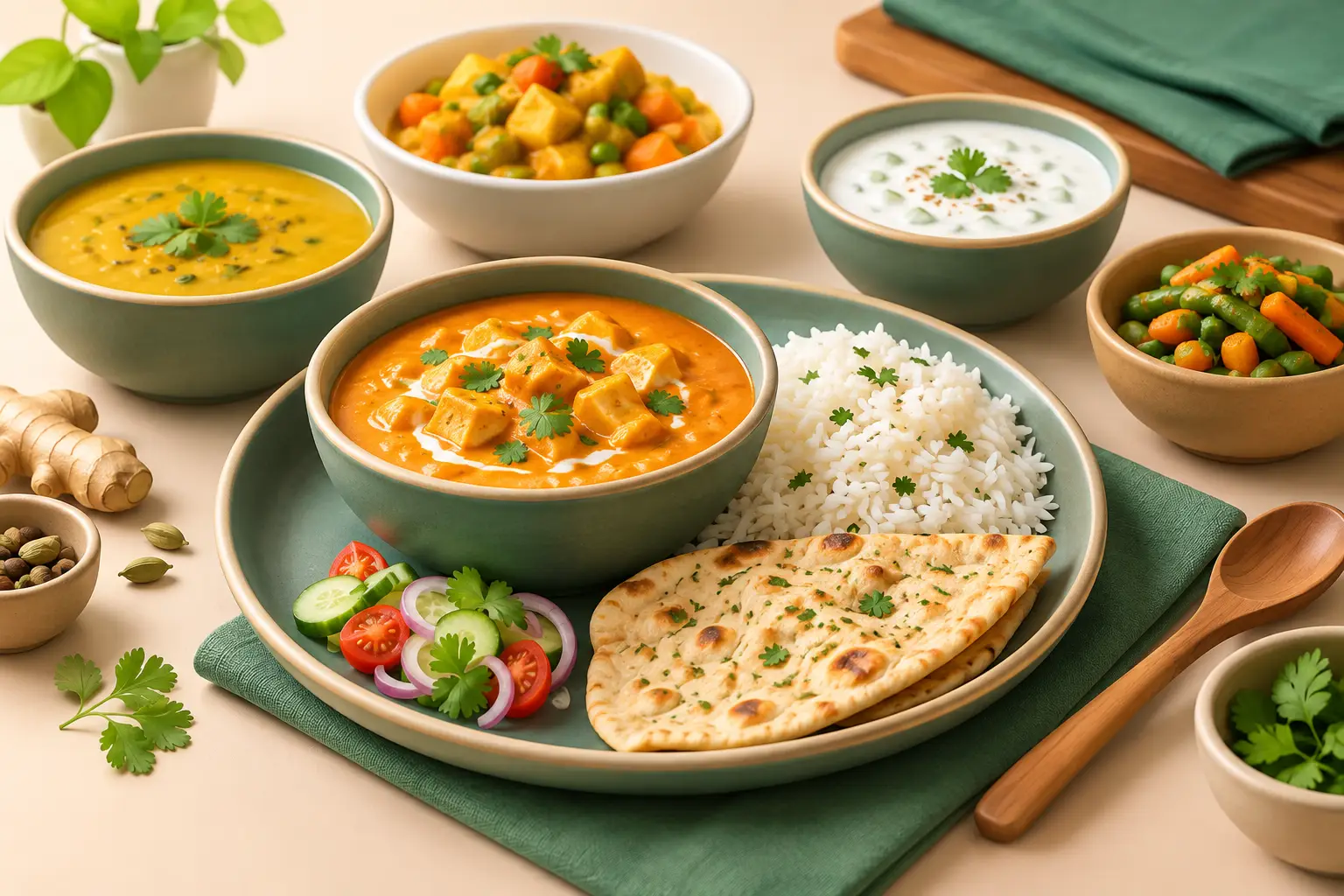
For a balanced order, pair one comforting curry with a grilled dish or a vegetable-led option. Tandoori salmon, chicken tikka, paneer tikka, lentils, chickpeas, and seasonal vegetable curries can offer plenty of flavor without the sense of heaviness some people associate with takeaway. Choose basmati rice, a fresh salad, or a whole-wheat-style roti where available, and let chutneys and pickles add brightness.
You can also ask for adjustments that suit your evening. Many kitchens can guide you toward milder or hotter dishes, vegetarian options, or choices that fit gluten-free and vegan needs. The best request is a clear one: say what you enjoy and any dietary requirement you need the team to accommodate. A good restaurant will be straightforward about what it can prepare safely.
Why made-to-order preparation matters
Made-to-order cooking is about more than a marketing phrase. It gives the kitchen the chance to control the details that separate a decent curry from a memorable one. A chef can adjust seasoning, make sure the protein is cooked correctly, and finish a dish at the moment its aromas are at their best.
It also respects the diversity of Indian cuisine. There is no single “curry” method. A coastal-style fish dish, a North Indian tandoori plate, a fragrant biryani, and a lentil dal all need different handling. When every dish is treated as a variation of one premade sauce, those differences disappear.
At Cilantro London, the aim is to preserve that traditional depth while offering a fresher, more balanced way to enjoy Indian food at home or around the table. That means giving familiar favorites the attention they deserve, from responsibly chosen ingredients to the final flourish of spice.
The next time you order, do not judge freshness only by speed. Choose dishes that travel well, order when you are ready to eat, and look for a restaurant that treats preparation as a craft. Your dinner should arrive with warmth, fragrance, and enough care to make staying in feel like an occasion.