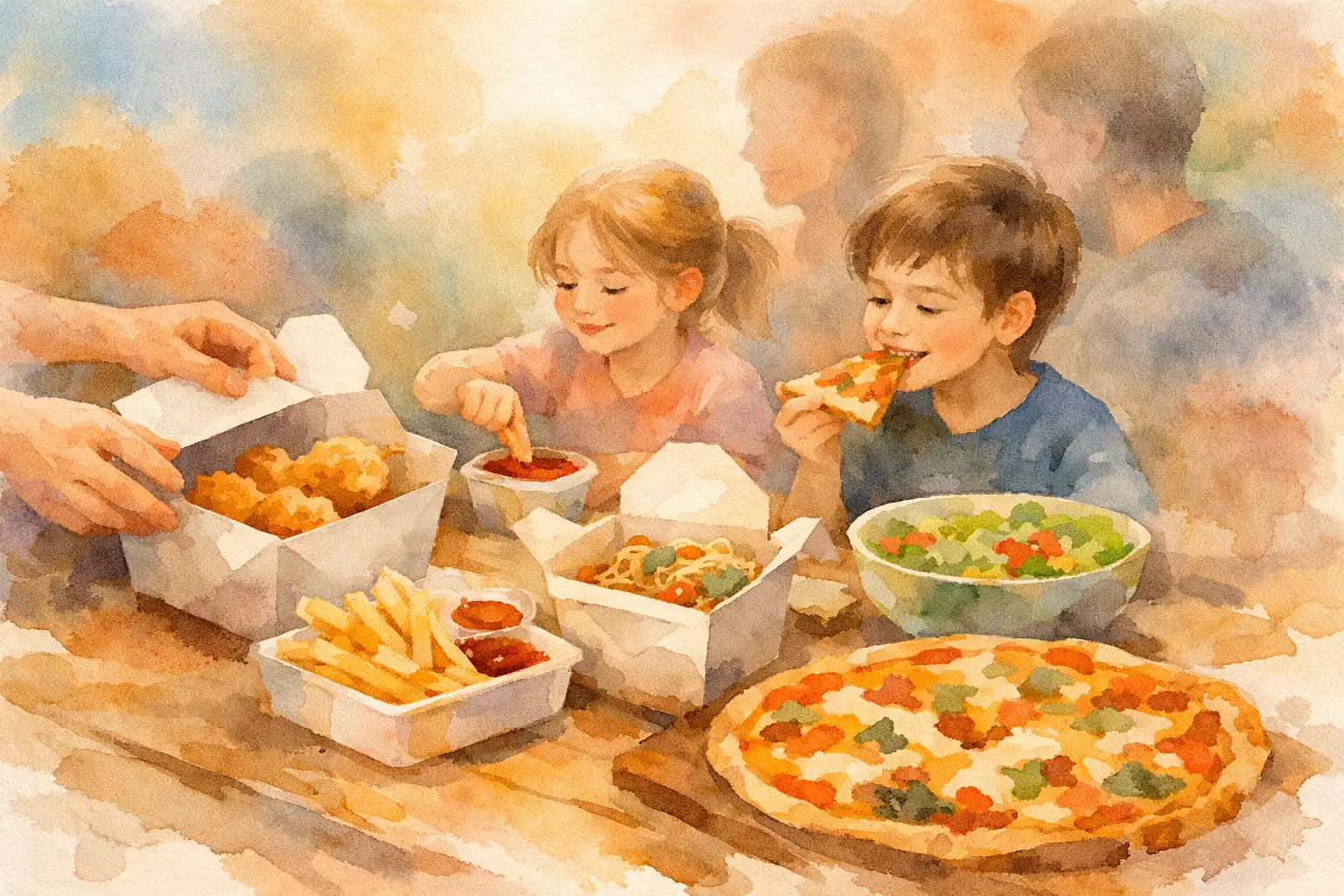
By 6:30 p.m., most family dinner plans are no longer plans. They are negotiations. One person wants something comforting, another wants something lighter, someone else refuses anything too spicy, and the adults still want food that tastes like it was made with care. That is exactly where a good family takeaway meal example becomes useful – not as a generic bundle, but as a smart way to order food everyone will actually enjoy.
For families ordering Indian food, the best approach is not to load the table with the heaviest dishes and hope for the best. A better takeaway dinner balances familiar favorites, a few fresh sides, enough variety for different appetites, and portions that feel generous without becoming wasteful. When the food is prepared well, Indian takeaway can feel satisfying, fresh, and surprisingly well suited to family dining.
A family takeaway meal example for four
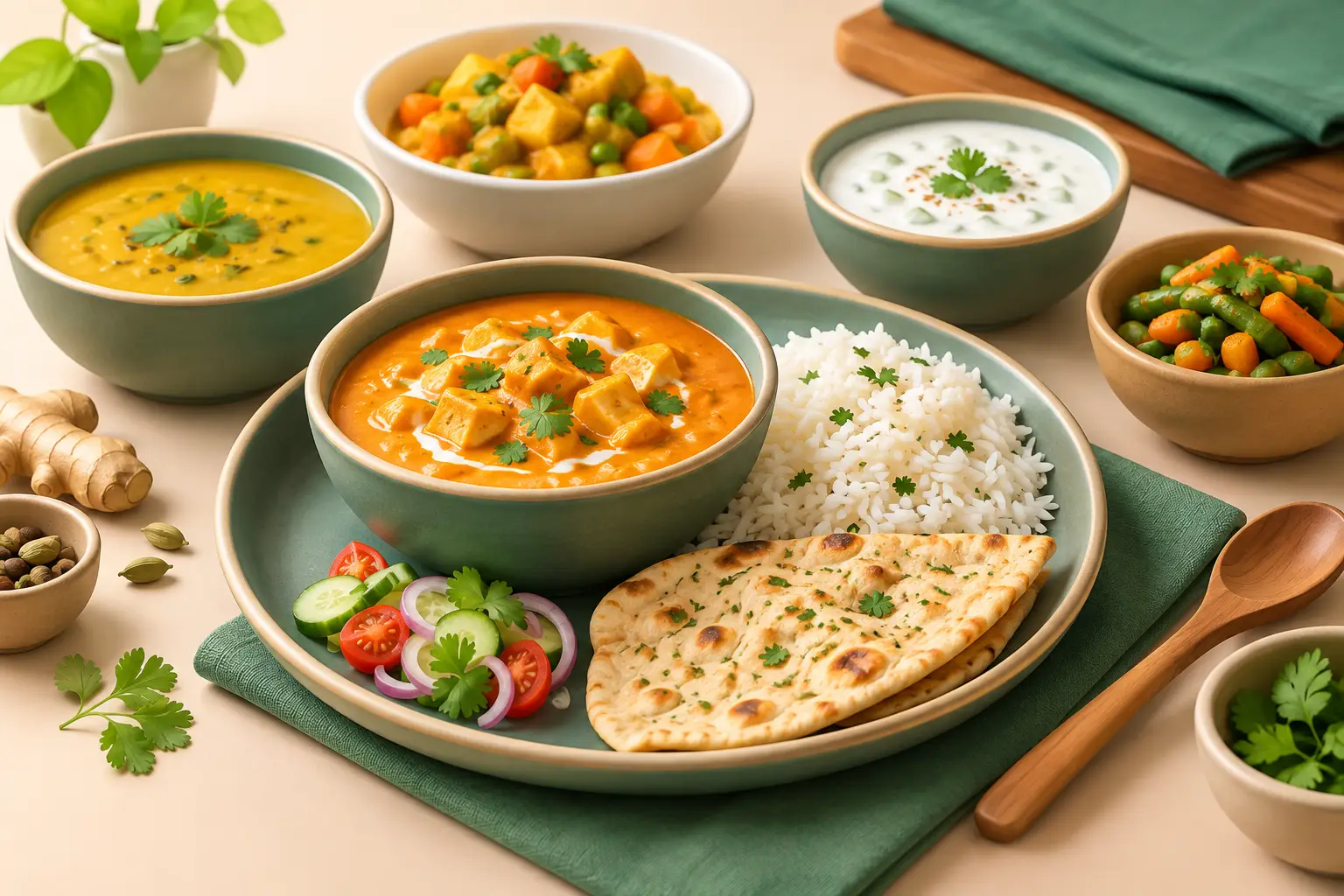
A practical family takeaway meal example for four might look like this: one grilled starter to share, two mains with different sauce styles, one rice, one bread, one vegetable side, and a cooling accompaniment. That mix gives the table contrast without over-ordering.
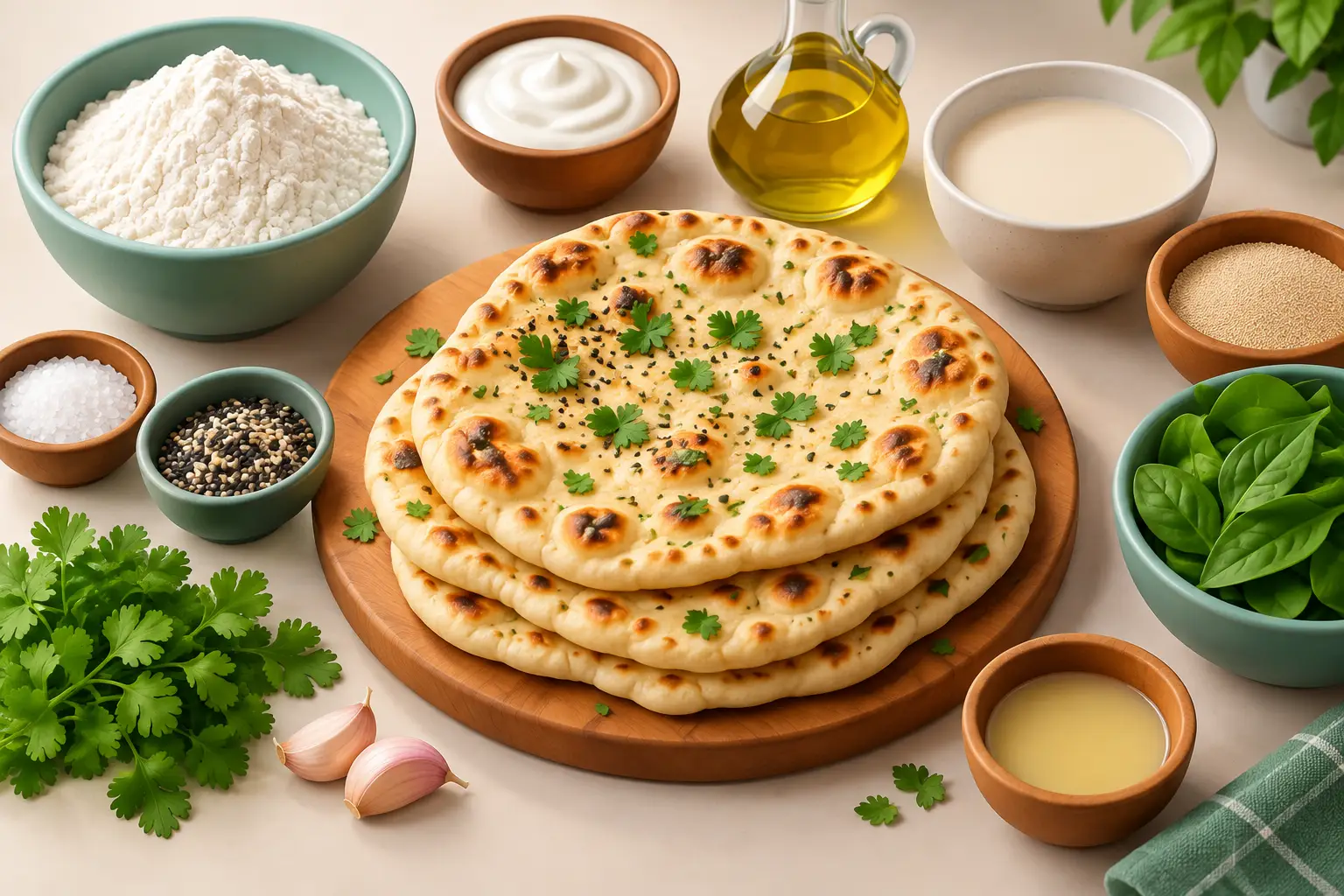
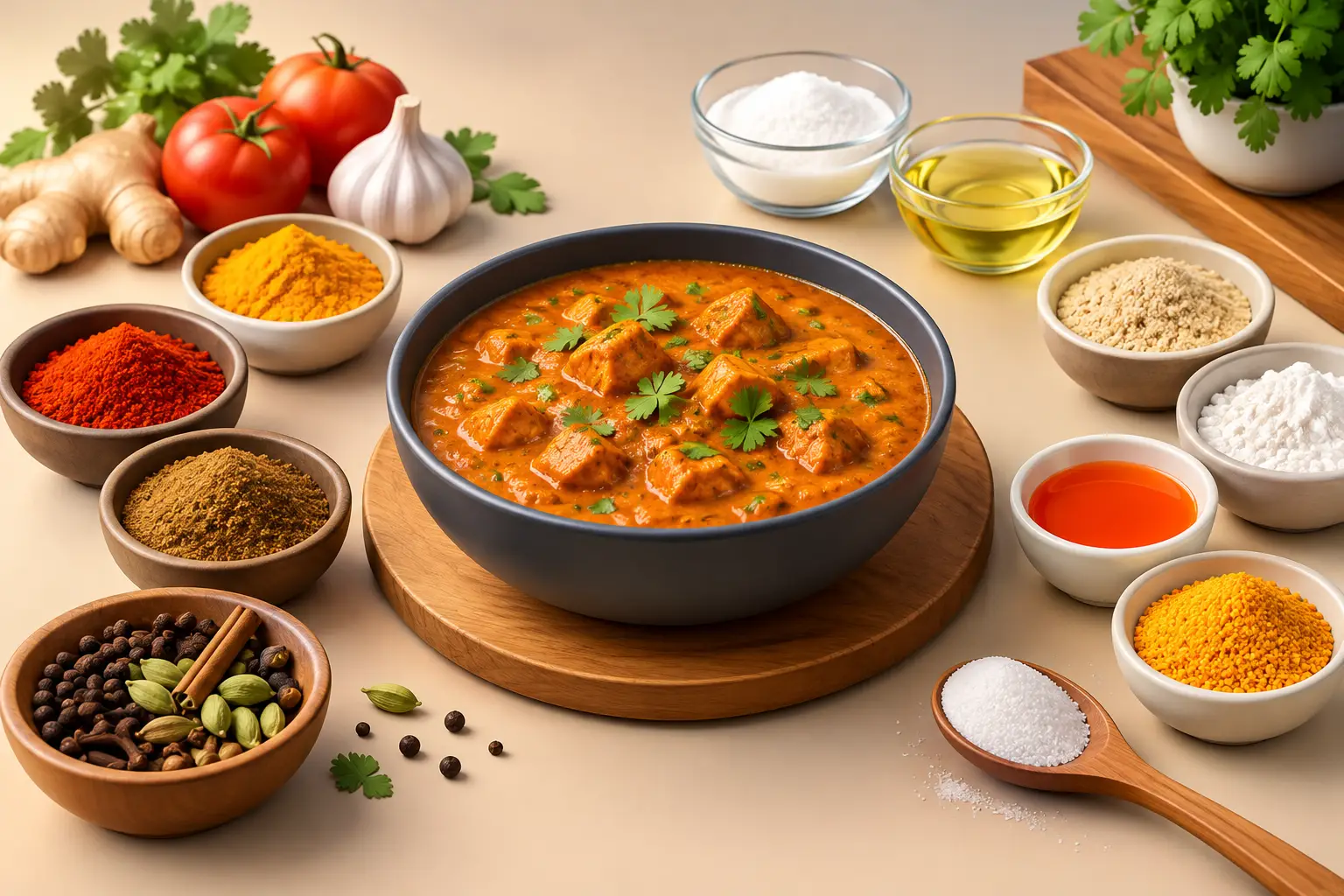
For example, start with chicken tikka or tandoori salmon if your household enjoys grilled dishes with a little char and spice but not too much richness. Then choose one crowd-pleasing curry such as butter chicken or a gently spiced korma for anyone who prefers a milder meal. Pair that with a second main that has more depth, such as a rogan josh, a chicken jalfrezi, or a paneer dish with a tomato-based sauce. Add basmati rice, a naan, and a side such as saag paneer or dal. Finish the order with raita if younger diners or spice-sensitive adults want a cooling element on the table.
This kind of order works because it gives people options without turning dinner into a buffet. There is usually something mild, something more aromatic, a vegetarian option if needed, and enough starch to make the meal feel complete. It also creates a better eating experience than ordering four separate heavy mains, which often leaves the table feeling repetitive.
Why this family takeaway meal example works better than a random order
The biggest difference is balance. Families rarely all want the same thing, but they do want a meal that feels cohesive. A random takeaway order often leans too far in one direction – too creamy, too spicy, too beige, or simply too much food.
A well-built family meal has contrast. Grilled dishes bring texture and a lighter start. A creamier curry gives comfort. A tomato- or onion-based curry adds brightness and spice. Rice and bread make sharing easier. A vegetable side helps round out the meal and makes the table feel more considered.
That balance matters even more if you are ordering for a weeknight. Many people still associate takeaway with something overly greasy or too heavy for a regular family dinner. But that depends on where you order and how you build the meal. Freshly prepared Indian food with thoughtful portions can feel far more polished and manageable than the usual takeaway fallback.
How to choose the right dishes for your household
Every family has its own version of easy. Some need mild dishes that children will recognize. Some want one proper spicy dish for the adults. Some are juggling vegetarian, vegan, or gluten-free preferences in the same order. The right answer depends on who is at the table.
If you are ordering for younger children, lean toward dishes with gentle spice and familiar textures. Butter chicken, tikka, plain rice, and naan tend to be easy wins. If your household includes older children or adults who enjoy stronger flavors, add one dish with more warmth, such as a madras or a jalfrezi, but keep at least one milder option so the meal stays flexible.
If dietary needs matter, Indian food can be especially accommodating when the kitchen cooks to order and uses clearly defined ingredients. Lentil dishes, grilled proteins, vegetable curries, and rice-based sides can make it easier to include everyone without ordering separate meals that feel disconnected. That is often the difference between a stressful takeaway night and one that feels generous.
Portion size matters more than people think
A common mistake with family takeaway is ordering as if every person needs a starter, a main, and a side of their own. In practice, shared Indian meals usually work better when the order is built around the table rather than the individual.
For a family of four, two mains and two or three supporting items is often enough, especially if one of the mains is a hearty curry and the meal includes rice and bread. If everyone has a big appetite, add a third main or an extra side rather than doubling everything. That gives more variety and usually creates better value.
The other reason to think carefully about portion size is next-day appeal. Some leftovers are welcome. Too many leftovers usually signal that the order was not planned well. A good family takeaway should feel generous at dinner and still leave just enough for lunch, not a fridge full of food no one wants to revisit.
Building a lighter Indian takeaway without losing comfort
For many families, the real goal is not just feeding everyone. It is finding food that feels like a treat without ending the evening feeling weighed down. That is where dish choice and cooking style matter.
A lighter family order usually starts with grilled items from the tandoor instead of fried starters. It includes at least one curry with a tomato, onion, or yogurt-led base instead of choosing only the richest cream-based dishes. It also helps to add a fresh side or vegetable dish rather than relying entirely on rice and bread.
None of this means sacrificing comfort. A family meal can still feel warm, generous, and deeply satisfying when the spices are layered well and the ingredients are handled with care. In fact, lighter preparation often lets the character of the dish come through more clearly. You taste the ginger, garlic, cumin, coriander, and chili rather than just the richness.
That approach is one reason refined Indian takeaway has become such a strong choice for local families who want convenience but still care about quality. At its best, it offers the ease of delivery with the standards of a proper neighborhood restaurant.
When to customize your family takeaway meal example
The most useful family takeaway meal example is not fixed. It should shift depending on the occasion.
For a regular weeknight, keep it simple with two mains, rice, bread, and a vegetable side. For a Friday night dinner, you might add a starter platter or a biryani to make it feel more special. If grandparents are joining, include one very mild dish and skip anything too fiery. If the meal follows sports practice or a long workday, a heartier mix with dal, biryani, and grilled chicken may be the better call.
Season matters too. In colder weather, richer curries and warm breads feel especially inviting. In warmer months, grilled dishes, lighter sauces, and fresh salads often make more sense. A restaurant that understands this balance tends to be the one families return to, because the food fits real life rather than a one-size-fits-all menu idea.
What to look for when ordering from a local Indian takeaway
Not every takeaway is built for family dining. Some are great for late-night cravings but less reliable when you want dinner to arrive fresh, balanced, and consistent. If you are ordering for the household, it helps to look beyond price alone.
Menus that include grilled dishes, vegetarian options, and lighter sides usually offer more flexibility. Clear spice descriptions are helpful. So is made-to-order preparation, because it gives you a better chance of getting food that tastes fresh rather than food that has been sitting too long. Reliability matters as much as flavor when children are hungry and dinner timing is not optional.
For families in Putney and nearby neighborhoods, that mix of restaurant-quality food and dependable takeaway service is often what separates an occasional order from a trusted local favorite. Cilantro London is built around that idea – authentic Indian cooking prepared with care, but in a format that feels cleaner, fresher, and easier to bring into a family routine.
The best family dinner is not always the one you cook yourself. Sometimes it is the one that arrives at the right time, suits everyone at the table, and still feels like someone took real pride in making it.