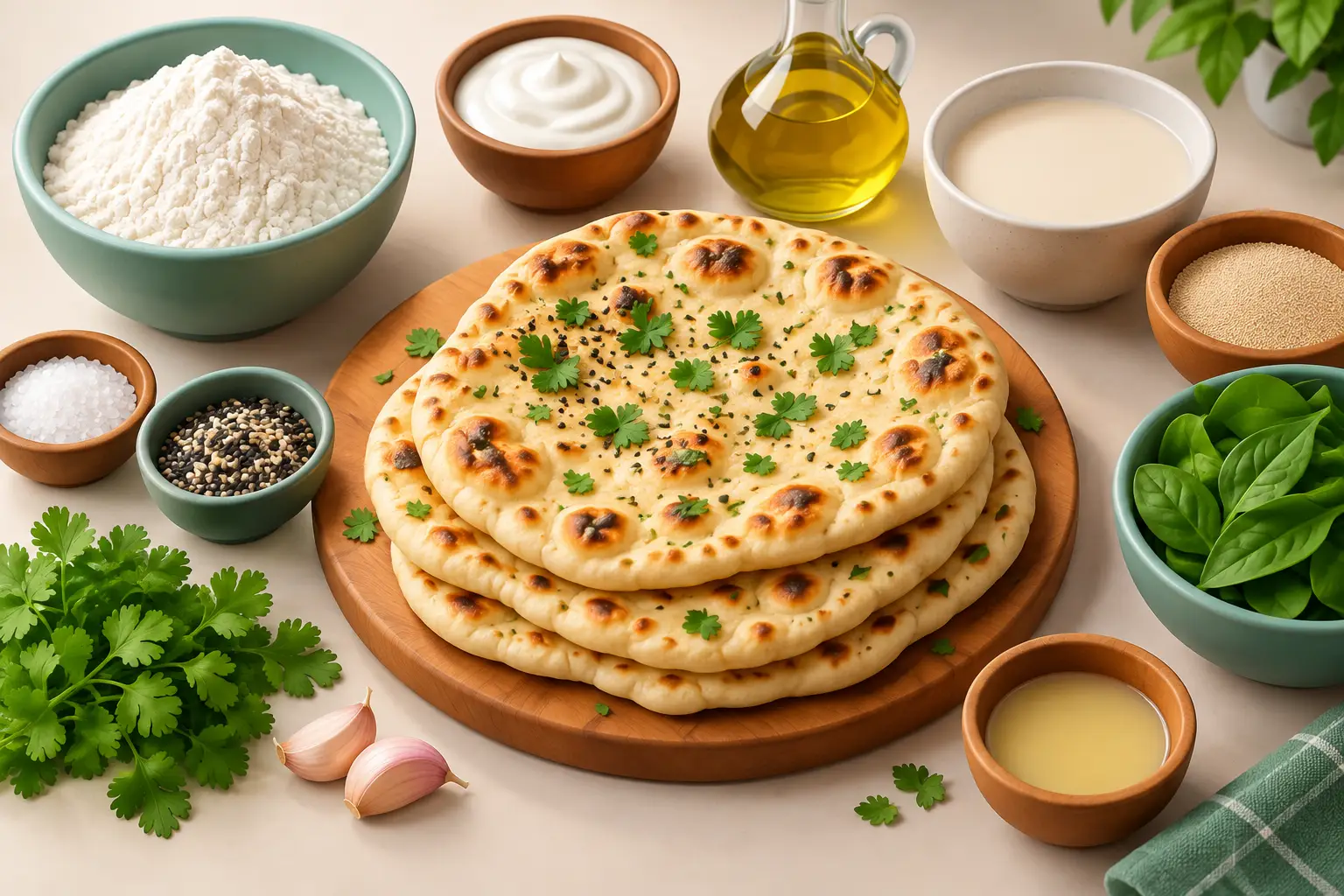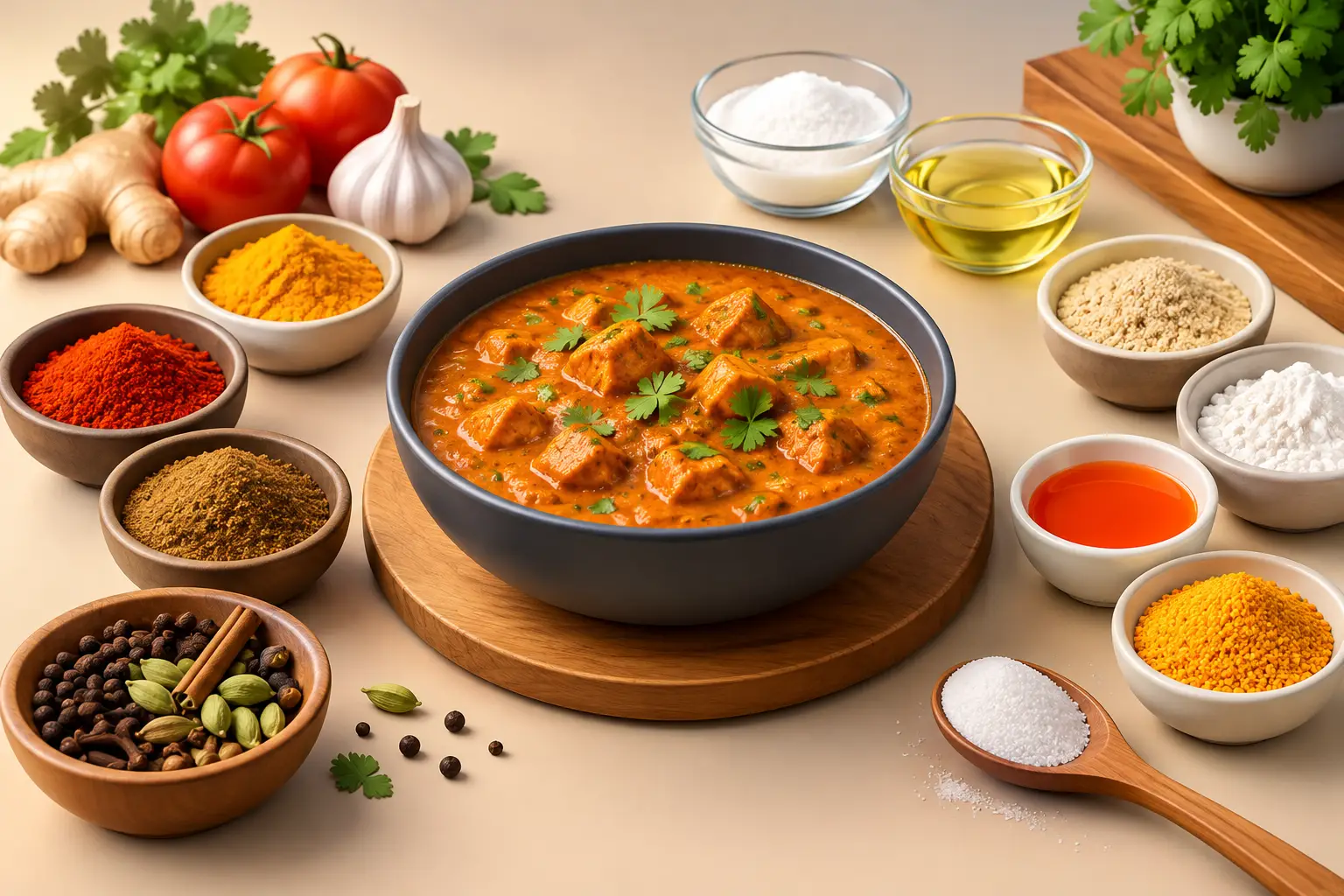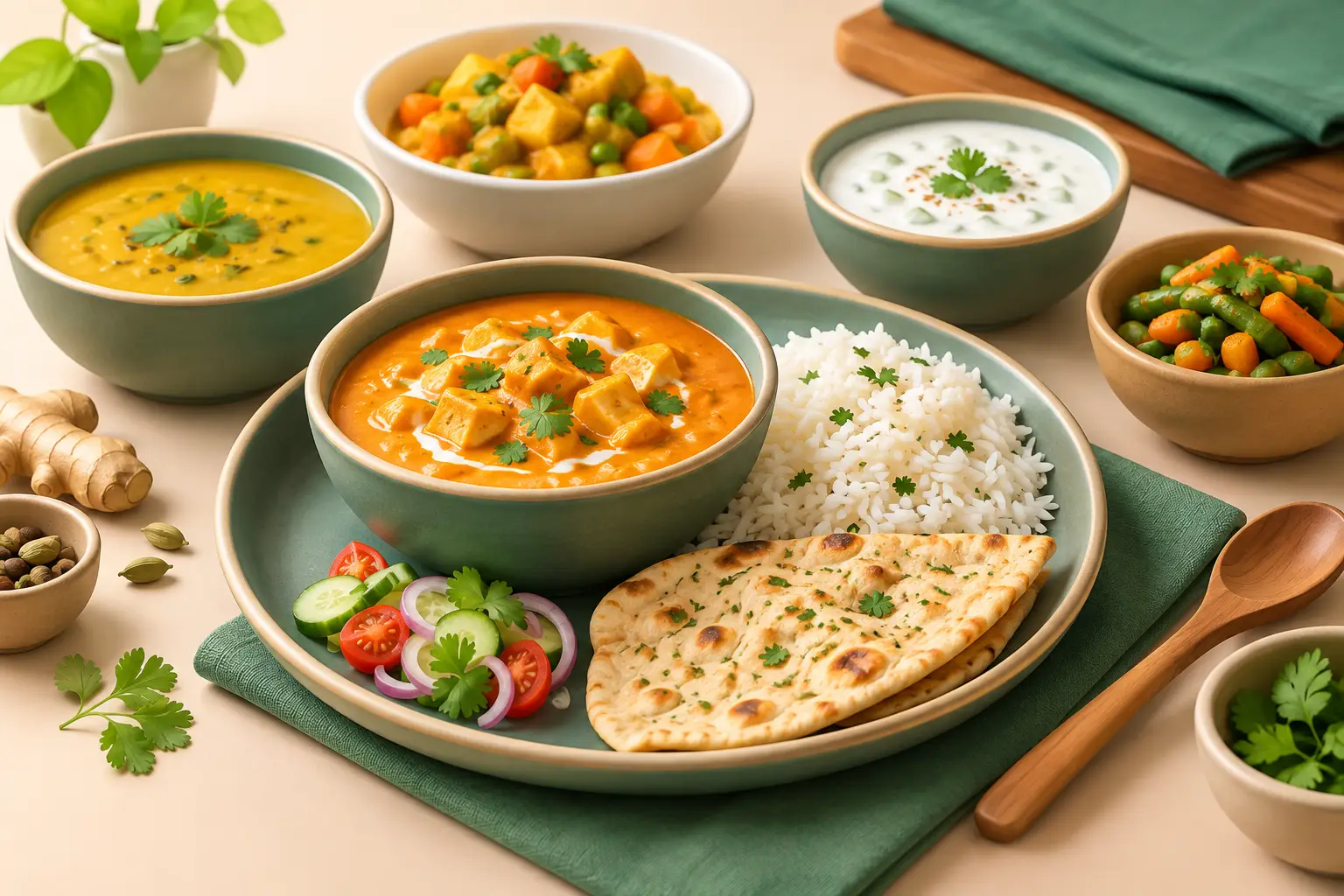
A lot of people say they want a healthier takeaway, but their order tells a more honest story. They still want rich flavor, generous portions, and the comfort of a proper Friday-night curry. That tension is exactly what makes a case study healthy indian takeaway so useful. It shows whether a restaurant can actually serve food that feels lighter without losing the depth, warmth, and satisfaction people expect from Indian cooking.
For local diners, that question matters more than it sounds. If you are choosing dinner after work, planning an easy family meal, or ordering in for a quiet night at home, you are not looking for food that tastes like a compromise. You want balance, not blandness. You want freshness, not austerity. And if a restaurant claims to do Indian takeaway in a more thoughtful way, the details need to hold up.
What a healthy Indian takeaway really means
Healthy Indian takeaway is often misunderstood. It does not mean stripping out spice, cutting portions to the point of frustration, or turning every dish into a salad. In practice, it usually comes down to how the food is prepared, how the menu is structured, and whether the ingredients are treated with care.
A healthier approach starts with cooking methods. Tandoori dishes, grilled proteins, lentil-based recipes, and freshly made curries can deliver plenty of character without relying on excess oil or overly heavy sauces. That matters because Indian food is naturally broad enough to support balance. There are dishes built around vegetables, yogurt, herbs, legumes, and carefully layered spices. When those elements lead the menu, the result feels satisfying rather than overworked.
The second part is menu design. A restaurant that genuinely cares about a lighter takeaway experience usually gives diners real choice. That means not only classic curries and biryanis, but also grilled starters, fresh salads, vegetarian dishes with substance, vegan options that feel complete, and gluten-free meals that do not read like an afterthought. A health-conscious menu is not restrictive. It is simply better organized around how people actually want to eat.
A case study healthy indian takeaway customers can trust
The clearest way to assess this style of restaurant is to look at a realistic customer journey. Imagine a local couple ordering on a weeknight. One wants a classic curry, the other wants something lighter, and both want the meal to feel restaurant-quality rather than purely functional. This is where many takeaways get exposed.
In a standard setup, the menu can lean heavily toward creamy sauces, fried starters, and dishes that arrive tasting similar despite different names. The meal is filling, but often one-note. By contrast, a stronger healthy takeaway model offers contrast from the start. A tandoori dish brings char and spice without heaviness. A lentil or vegetable side adds texture and depth. Rice is fragrant rather than greasy. Sauces feel cooked, not padded. Even when the food is generous, it still has definition.
That difference becomes even more noticeable over time. Diners do not just remember whether a meal tasted good in the moment. They remember how it sat afterward. They remember whether it felt fresh, whether the ingredients seemed carefully sourced, and whether they would order the same thing again on a regular basis. This is where a refined Indian takeaway earns loyalty. It fits more occasions because it does not feel like an indulgence you need to recover from.
Why freshness changes the whole experience
Freshness is one of those words every restaurant uses, but customers can usually tell when it is real. In a case study healthy indian takeaway model, freshness shows up in specific ways. Herbs still taste bright. Vegetables have structure. Grilled items arrive with a clean finish rather than a tired, oily one. Sauces taste layered and intentional, not as if they have been sitting too long waiting for service.
Made-to-order preparation also plays a big part. It helps preserve texture, keeps spice profiles clearer, and gives a meal the kind of polish people usually associate with dining in rather than delivery. That is especially important for customers who want convenience but do not want the food to feel anonymous.
For a neighborhood restaurant with a premium but approachable identity, this is where trust is built. If diners know the kitchen treats takeaway with the same care as table service, they are far more likely to return. The meal stops feeling like a fallback option and starts feeling like a dependable part of the week.
Healthier does not mean less authentic
This is where some restaurants get the balance wrong. They talk about wellness in a way that makes the food sound disconnected from Indian cooking itself. But authenticity and balance are not opposites.
Traditional Indian cuisine has always included a wide range of naturally lighter dishes, from tandoori preparations to lentil stews, vegetable curries, chickpea-based dishes, and yogurt-led marinades. The issue is not the cuisine. The issue is how some takeaway formats have narrowed it into a smaller, heavier stereotype.
A modern Indian restaurant can honor traditional recipes while still presenting them in a fresher, more considered way. That might mean more precise cooking, better ingredient sourcing, a cleaner finish to sauces, and a broader menu for vegetarian, vegan, and gluten-free diners. None of that waters the food down. If anything, it lets the spices, aromatics, and natural character of each dish come through more clearly.
The role of choice for real customers
A healthy takeaway only works if it suits real life. Families ordering together do not all want the same thing. One person may want a biryani, another may prefer grilled chicken, someone else may need a plant-based dish, and one guest may be avoiding gluten. A restaurant that handles that range well is not just convenient. It is genuinely easier to return to.
This matters in places like Putney and nearby neighborhoods, where diners are often balancing work, family, social plans, and the simple need for a dinner option they can count on. People are not only searching for the best-tasting dish. They are looking for consistency, ease, and the confidence that everyone at the table will find something appealing.
That is why a well-structured menu matters as much as any single signature item. When a restaurant can move comfortably between comfort food, lighter mains, plant-based dishes, and special-occasion meals, it becomes useful across more moments. That flexibility is a competitive advantage, especially in takeaway.
What this case study shows about quality
If there is one takeaway from a strong case study healthy indian takeaway example, it is that quality is cumulative. It is not just one grilled dish on the menu or one claim about being lighter than average. It is the sum of many smaller decisions.
It shows up in responsible ingredient choices, in kitchen discipline, in sauces that taste developed rather than heavy for the sake of it, and in a menu that respects both tradition and modern eating habits. It shows up in the confidence to offer food that is flavorful first, with health-conscious preparation supporting the experience rather than dominating the message.
That is also where premium positioning starts to feel earned. Diners are happy to return to a local restaurant that gives them restaurant-quality food at home, especially when that food feels fresher and more balanced than the usual takeaway standard. In that sense, a healthier Indian takeaway is not a niche idea. It is simply a better version of something people already love.
At Cilantro London, that balance is exactly the point – authentic Indian cooking, made with care, served in a way that feels fresh, polished, and easy to come back to.
When a takeaway gets this right, customers do not talk about it as the healthy option. They talk about it as their place. And that is usually the clearest sign the food is doing everything it should.