You can tell a lot about an Indian kitchen by its tandoori section. If the marinades are thoughtful, the charring is controlled, and the meat or vegetables still taste juicy beneath the smoke, you are usually in very good hands. That is why knowing how to choose tandoori dishes is less about picking the hottest item on the menu and more about understanding what kind of meal you actually want.
Tandoori food has a reputation for bold flavor, but it is also one of the smartest choices for diners who want something satisfying without feeling weighed down afterward. Cooked at high heat in a clay oven, these dishes often deliver depth, color, and texture without relying on heavy sauces. For local diners who love Indian food but prefer a fresher, lighter finish, that makes the tandoor a very good place to start.
How to choose tandoori dishes for the meal you want
The best way to choose is to think first about the role the dish will play in your meal. Are you after a quick, protein-rich dinner on its own, a shared starter for the table, or the centerpiece of a longer meal with breads, rice, and sides? The same chicken tikka can feel light and simple when paired with salad, or indulgent when it arrives alongside buttery naan and a rich curry.
This matters because tandoori dishes are often more versatile than people expect. Some work beautifully as a starter because the portions are lighter and the flavors sharpen the appetite. Others, especially mixed grills or full portions of lamb or chicken, are better treated as mains. If you order without thinking about balance, it is easy to end up with too much dry heat, too many similar textures, or a meal that feels heavier than planned.
A good rule is to choose one tandoori item based on texture, one side based on freshness, and one extra element based on comfort. That might mean soft paneer with crisp salad and a warm naan, or smoky chicken with rice and cooling yogurt on the side. The point is not to chase the most dramatic dish on the menu. It is to build a meal that feels complete.
Start with the protein, not the spice level
Many people scan a menu looking for the spiciest tandoori option first, but protein usually matters more. Different ingredients behave very differently in the tandoor, and your preference for tenderness, richness, or smokiness should guide the order.
Chicken is often the easiest place to begin. It takes marinade well, stays relatively light, and suits both lunch and dinner. Chicken tikka is usually the most straightforward choice if you want something lean, familiar, and full of flavor without too much richness. Tandoori chicken on the bone tends to offer deeper flavor and more juiciness, especially if you enjoy slightly charred edges and a more traditional presentation.
Lamb is a better fit when you want a fuller, richer meal. It has a stronger flavor and a more indulgent feel, so it is ideal for slower dinners or colder evenings. The trade-off is that lamb can feel heavier than chicken, especially if you also order creamy sides. If you enjoy intensity, it is worth it. If you want something fresh and easy, chicken may be the smarter choice.
Seafood is often overlooked but can be excellent in the tandoor. Fish and prawns bring a cleaner finish and pair particularly well with citrus, herbs, and lighter sides. They are a strong option if you like Indian flavors but do not want a dense meal. The margin for error is smaller, though. Seafood needs careful cooking to stay moist, so it is best ordered from a kitchen known for precision.
Paneer and vegetables deserve just as much attention. Good paneer should come out tender with a little resistance, not rubbery or dry. Tandoori vegetables can be surprisingly satisfying, especially when the marinade has enough depth to complement their natural sweetness. For vegetarian diners, these dishes are not just substitutes. Done well, they are standout choices in their own right.
Understand what the marinade is doing
The flavor of a tandoori dish is built long before it reaches the oven. Marinade shapes everything – the color, the aroma, the tenderness, and the final balance of spice.
Yogurt-based marinades are common because they gently tenderize while carrying spice into the ingredient. That is why a well-made tandoori dish tastes seasoned throughout rather than merely coated on the outside. If the menu mentions garlic, ginger, cumin, coriander, or Kashmiri chili, expect warmth and fragrance more than aggressive heat.
This is worth keeping in mind if you are unsure about spice. Tandoori dishes are often bold, but they are not always fiery. In many cases, the real signature is smokiness and layered spice rather than raw chili intensity. If you enjoy aromatic food with depth, you may find the tandoor more approachable than a menu description suggests.
At the same time, not all marinades lean the same way. Some are creamy and mellow. Some are sharper with lemon or herbs. Some are deliberately hotter. If you are choosing between two similar dishes, ask yourself whether you want warmth, tang, or richness. That decision will shape the whole meal more than you think.
How to choose tandoori dishes if you want a lighter meal
Tandoori cooking naturally appeals to diners who want cleaner, more balanced options, but the rest of the order still matters. If your goal is to keep dinner lighter, choose a tandoori main and let that be the richest thing on the table.
Pair it with salad, grilled vegetables, or simple rice rather than multiple breads and a creamy curry. A cooling accompaniment can also make the meal feel more complete without adding heaviness. Mint chutney, cucumber, or yogurt-based sides help refresh the palate between bites.
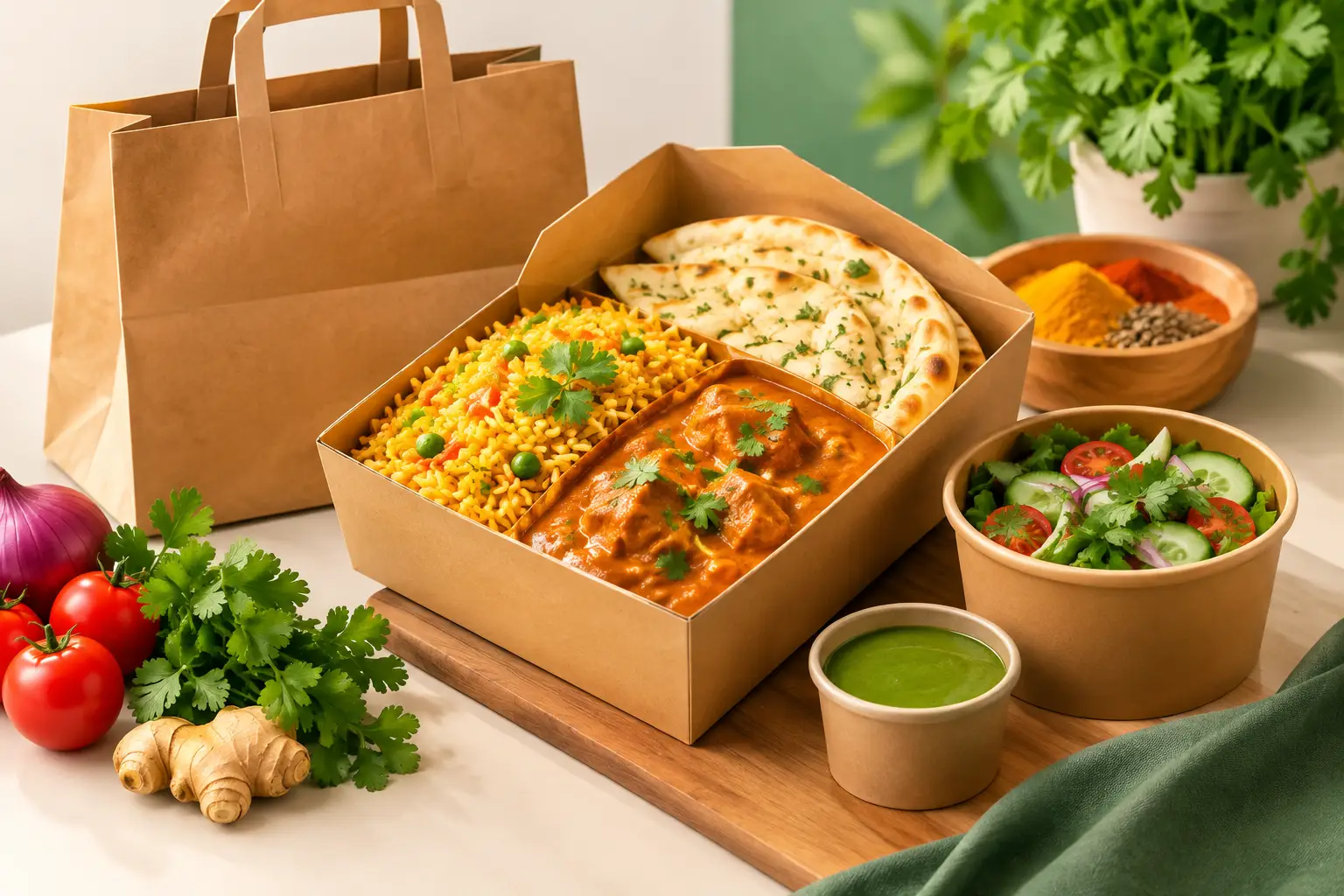
If you are ordering takeaway, this becomes even more useful. Tandoori dishes tend to travel well when they are not crowded by too many wet accompaniments, and they hold their character better than some fried starters. For a weeknight meal, that can be the difference between food that still feels restaurant-quality and food that feels tired by the time it arrives.
For diners in Putney and nearby neighborhoods who want Indian food with freshness and balance, this is often why the tandoor becomes a regular favorite. You still get satisfaction, color, and proper depth of flavor, but without the overly greasy finish people often associate with standard takeaway.
Think about texture and contrast
A common ordering mistake is choosing too many dishes with the same texture. If you order a mixed grill, dry starter, and naan, you may end up with a meal that tastes good but feels repetitive. Tandoori dishes are at their best when balanced with contrast.
That contrast can come from crisp salad, soft rice, cooling sauces, or even a curry for the table if you are sharing. The goal is to avoid a plate that is all smoke and char from start to finish. You want moments of heat, freshness, softness, and spice working together.
This is especially true for group orders. Mixed tandoori platters are excellent for sharing because they offer variety, but they need the right supporting dishes around them. A little contrast makes the whole spread feel more generous and better thought through.
Know when to order the mixed grill
The mixed grill is tempting because it looks like the safest option. You get variety, a bit of theater, and a strong sense of value. Sometimes it is exactly the right choice. Sometimes it is too much.
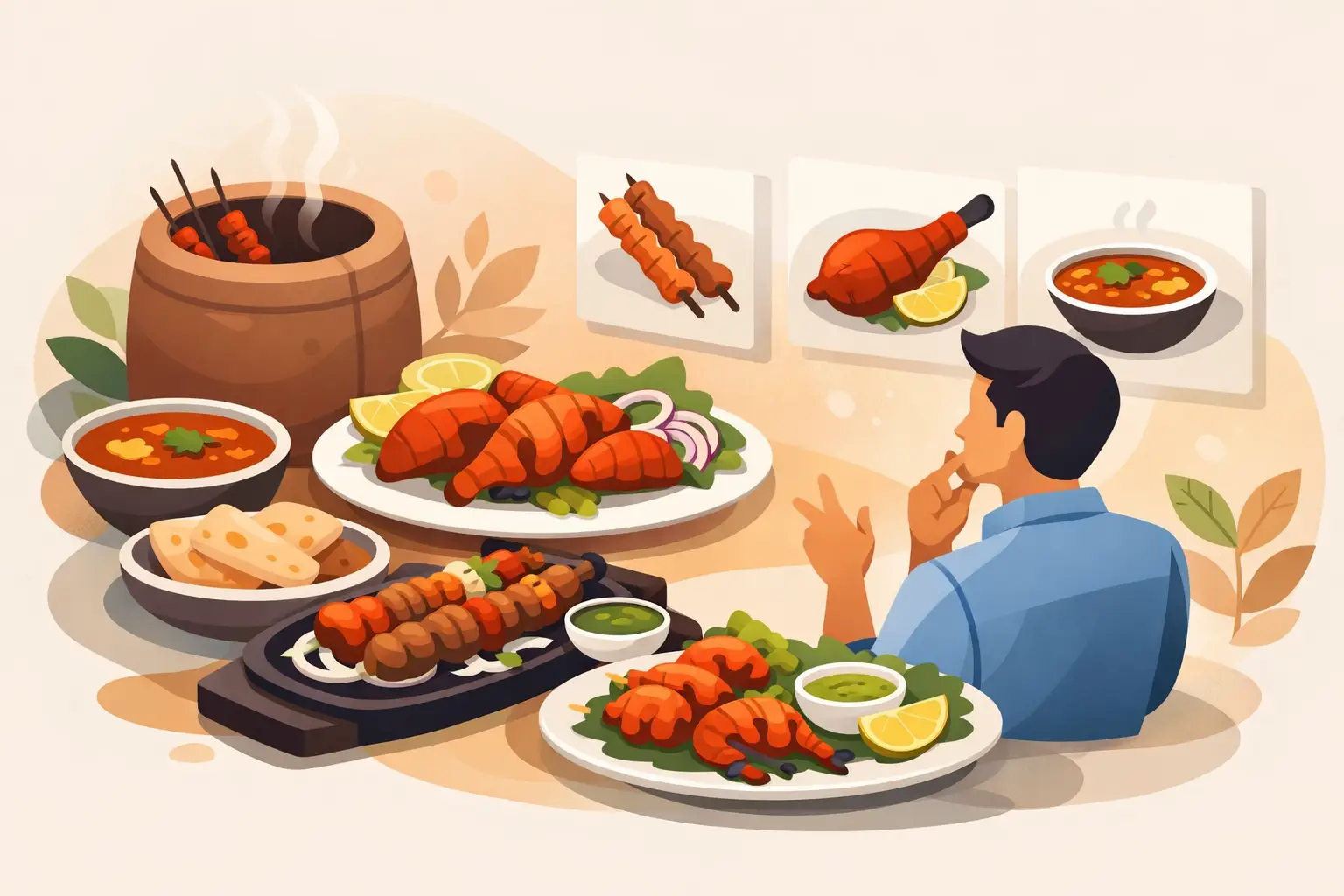
If you are new to a restaurant or sharing with someone who likes different proteins, a mixed grill makes sense. It gives you a broad view of how the kitchen handles marinade, char, and seasoning. It also suits diners who want a celebratory meal rather than a quick, focused dinner.
But if you already know you prefer one protein, ordering a dedicated dish is often the better call. You will usually get a more consistent portion, a clearer flavor profile, and a meal tailored to what you actually enjoy. Variety is useful, but it is not always the same thing as quality.
At Cilantro London, that balance matters. A polished tandoori menu should feel generous without becoming excessive, and refined without losing the comfort people come back for.
Ask yourself what you want to remember
The best tandoori dish is not always the most expensive or the most elaborate. It is the one that fits your appetite, your mood, and the rest of your order. Some nights call for smoky chicken with a fresh side and nothing more. Other nights deserve lamb, naan, and a table full of shared dishes.
If you are still unsure how to choose tandoori dishes, keep it simple. Pick the protein you genuinely enjoy, aim for one element of freshness alongside it, and do not confuse heat with flavor. A good tandoori dish should taste cared for – deeply marinated, skillfully cooked, and balanced enough that you want the next bite as much as the first.
That is usually the sign you chose well.