You know the feeling. You want curry on a weeknight, but not the kind that leaves you overly full, sleepy, and reaching for water at midnight. If you’re wondering what curry is less heavy, the answer usually comes down to the base, the cooking method, and how much cream, butter, oil, or ground nuts go into the dish.
Not all curries sit the same way. Some are naturally lighter, brighter, and more balanced, while others are designed to be rich and comforting. Neither is wrong. It just depends on what kind of meal you want.
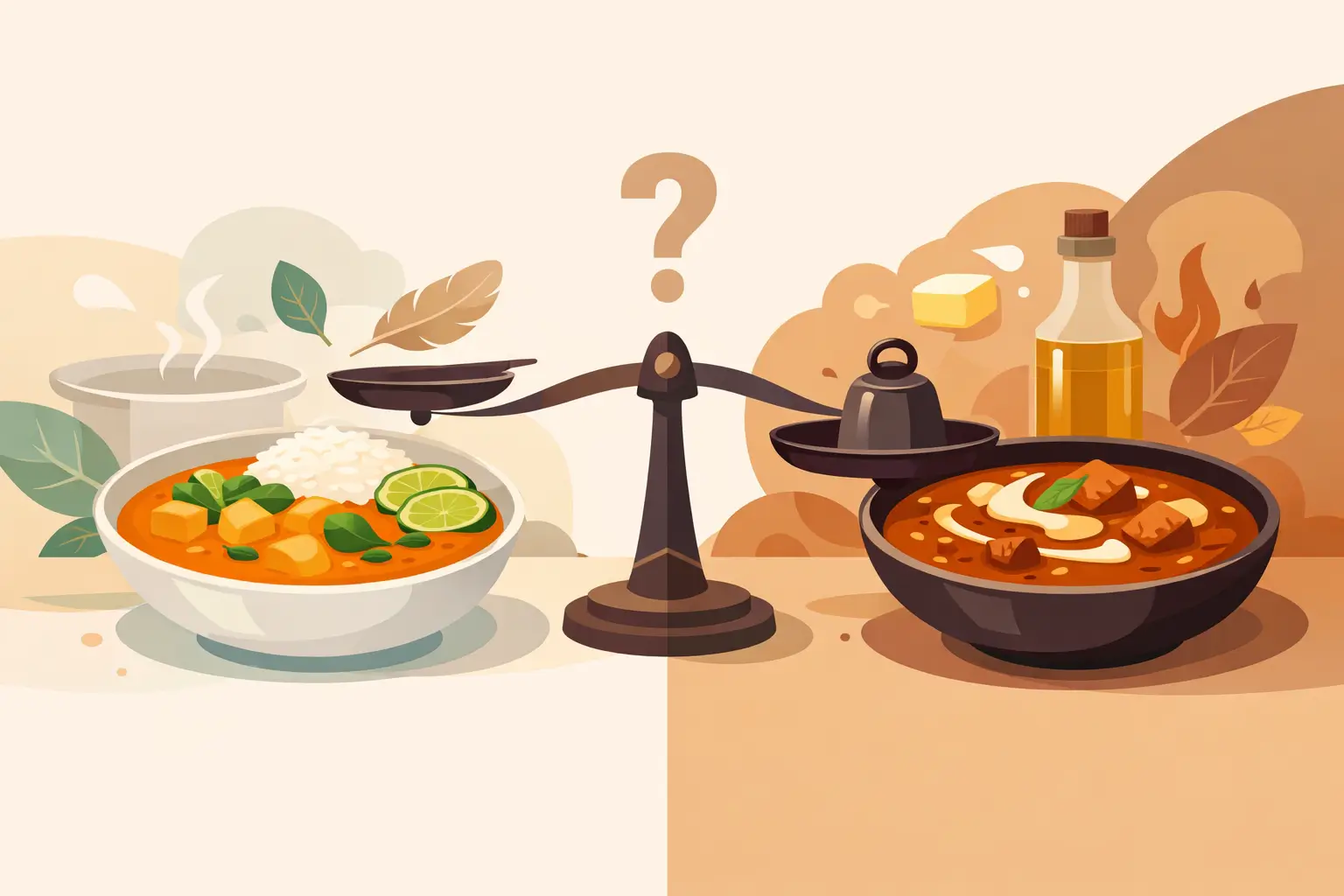
What curry is less heavy?
In most cases, the less heavy curries are tomato-based, brothier, or built around onions, ginger, garlic, and spices rather than cream or butter. Dishes such as jalfrezi, rogan-style curries, madras, and many tandoori-based sauces tend to feel lighter than korma, makhani, pasanda, or anything described as creamy, buttery, or nutty.
That said, spice level and richness are not the same thing. A curry can be hot without being heavy, and mild without being light. That’s where people often get caught out.
A vivid tomato and chili sauce may have plenty of kick but still feel fresh. A mild almond-and-cream sauce may taste gentle yet be far richer. If your goal is a balanced dinner, the words on the menu matter.
What makes one curry feel heavy and another feel light?
The biggest factor is the sauce base. Heavy curries usually lean on cream, butter, ghee in larger quantities, coconut cream, cashew paste, or ground almonds. These ingredients create body, sweetness, and that luxurious texture many people love, but they also make the dish more filling.
Lighter curries usually start with onions, tomatoes, fresh herbs, stock, green chilies, and dry spices. They can still be deeply flavorful because Indian cooking builds taste in layers, not just through richness. When spices are toasted properly and ingredients are cooked to order, a curry does not need to be greasy to feel satisfying.
The cooking style matters too. A dish made with grilled chicken, fish, or vegetables and then finished in sauce often feels cleaner than something fried first or cooked in a very heavy gravy from the start. Portion size and what you eat with it also change the whole experience. Even a fairly light curry can feel heavy if it comes with creamy rice, naan, starters, and extra sides.
The lighter curry choices to look for
If you want a curry that feels easier to eat, jalfrezi is often a smart choice. It tends to have a tomato-led sauce with peppers, onions, and green chilies, so it brings plenty of flavor without relying on cream. It also has a fresher texture because the vegetables keep some bite.
Madras can be a good option as well, especially if you like heat. It is typically more spice-forward than creamy, with a sharper sauce that feels less dense than a korma or butter chicken. The trade-off is obvious – if you are sensitive to chili, it may feel intense even though it is not especially rich.
Rogan-style curries are another solid middle ground. They often have a deep tomato and onion base with aromatic spices and color from paprika or Kashmiri chili. When made well, they offer fullness of flavor without the weight of cream-heavy sauces.
Dhansak can work if you want something hearty but not overly rich. Lentils give the sauce body, yet the overall dish is often more earthy and balanced than buttery. It is filling, yes, but filling in a steadier way.
Saag is a bit more nuanced. A spinach-based curry can be lighter than many creamy dishes, especially when it is made with greens, garlic, and spices rather than lots of cream. Still, some versions are richer than others, so it depends on the kitchen.
Seafood curries can also feel less heavy, particularly when they are tomato-based or made with fresh herbs and lighter spices. Fish naturally eats differently from lamb or paneer, so the same sauce can feel gentler overall.
The curries that are usually richer
If you are trying to avoid a heavy meal, the main ones to watch are korma, tikka masala, butter chicken, makhani, pasanda, and malai dishes. These are often built around cream, butter, yogurt in larger quantities, or nut pastes. They are smooth, mellow, and comforting, but they are rarely the lightest thing on the menu.
That does not mean you should never order them. Sometimes rich is exactly what you want. But if you are deciding between a korma and a jalfrezi and your priority is to feel comfortably fed rather than weighed down, jalfrezi will usually be the easier choice.
Paneer can be another surprise. Vegetarian diners often assume it will be lighter, but paneer is a dense cheese, so it can make a curry feel quite substantial. Chickpeas and lentils may actually feel better for some people, especially in a tomato-based sauce.
The protein you choose changes the whole dish
People often focus only on the curry name, but the protein matters just as much. Chicken breast, fish, prawns, or vegetables usually keep a dish lighter than lamb or paneer. Tandoori chicken added to a lighter sauce tends to feel especially balanced because it has been cooked with high heat first, bringing flavor without excess richness.
Lamb has wonderful depth, but it is naturally heavier. Paneer is satisfying but more filling than many expect. Chickens and seafood usually sit in the middle ground nicely, especially for a weekday dinner or a takeaway you want to enjoy without feeling overdone afterward.
A lighter Indian meal is about the whole order
Even if you pick the right curry, the rest of the table can tip the meal into heavy territory. Pilau rice cooked with ghee, buttery naan, fried starters, and creamy sides can quickly change the balance.
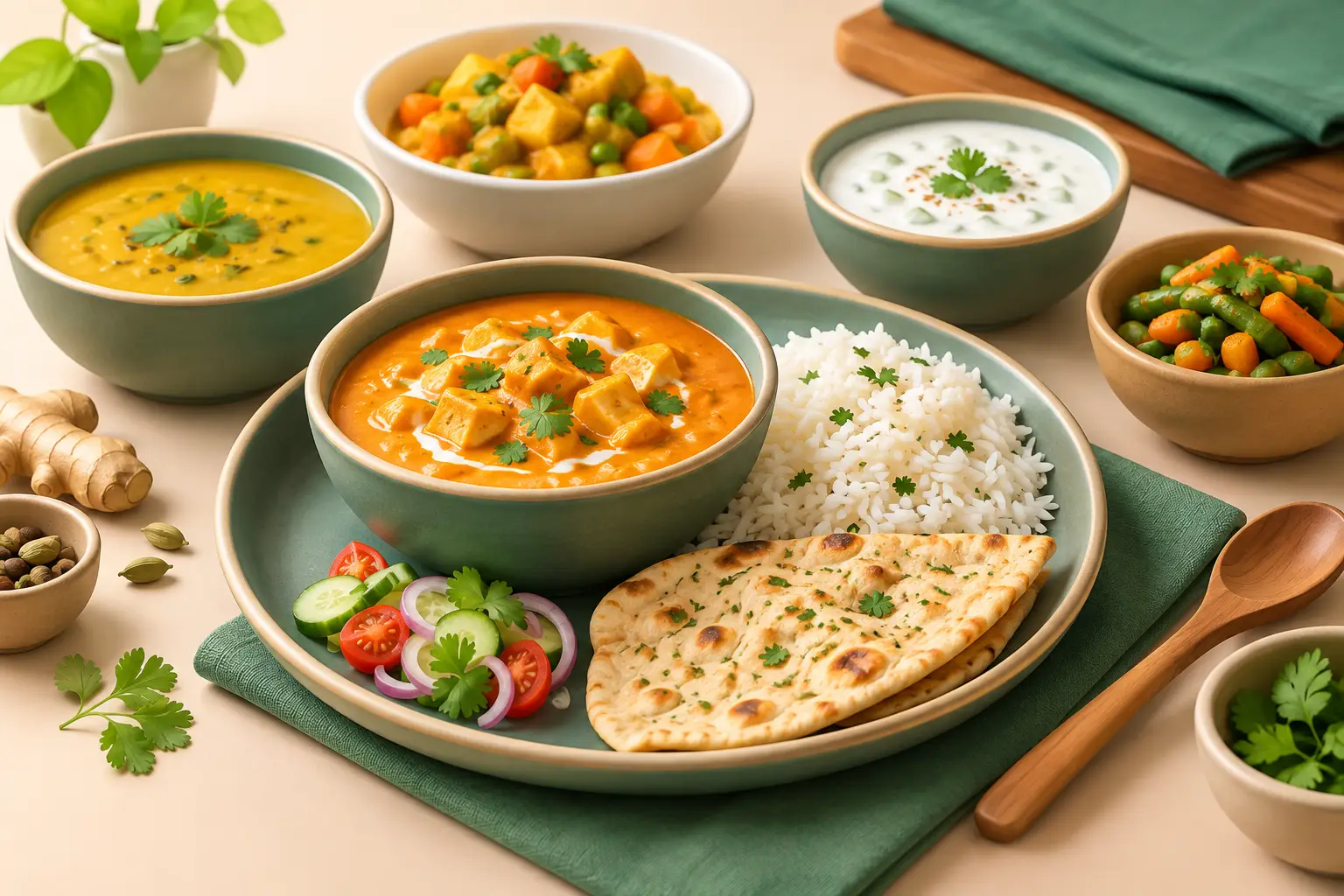
If you want your meal to stay on the fresher side, pair your curry with plain basmati rice or a simple salad, and keep breads for sharing rather than ordering several. Tandoori dishes are also useful here. A grilled starter or main gives you all the spice and smokiness of Indian cooking with a cleaner finish.
This is where a modern Indian kitchen really stands out. When dishes are made to order with care, spices stay vivid, sauces taste cleaner, and you do not need excess oil to create flavor. That is one reason diners looking for Indian food that feels more refined often move toward restaurants that focus on freshness as much as tradition.
How to order if you want something less heavy
A few simple questions can make a big difference. Ask whether the curry is cream-based or tomato-based. Ask whether a dish is buttery, nutty, or fairly dry. If you enjoy spice, ask for a more aromatic or chili-led curry rather than a creamy mild one.
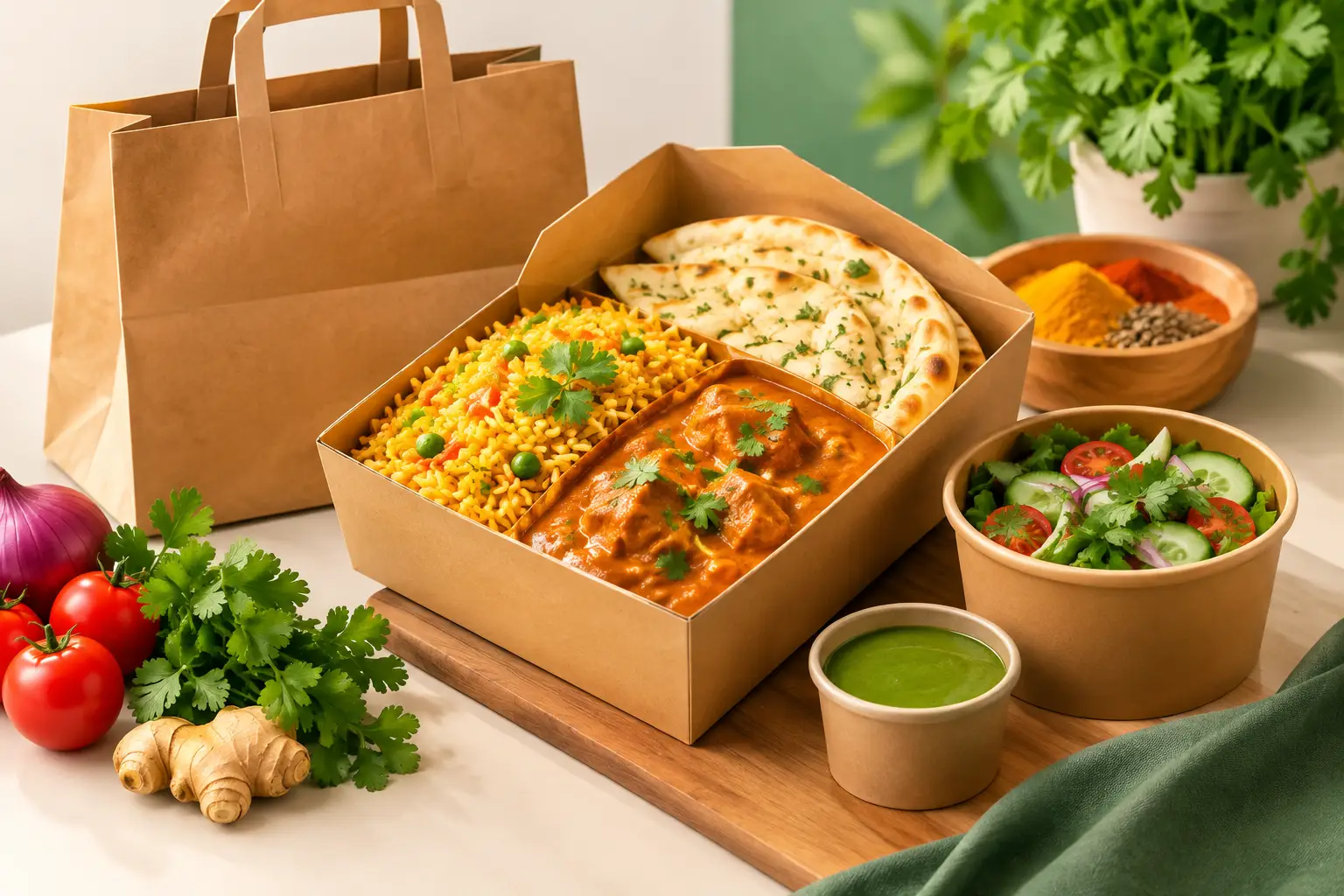
You can also steer your order by choosing grilled meats or vegetables, skipping one of the richer sides, and balancing the meal with rice rather than multiple breads. None of this means compromising on flavor. It just means ordering with a clear idea of how you want to feel after dinner.
At a restaurant that cares about quality, staff should be able to guide you toward something that suits your appetite, whether that means a lighter midweek meal or a richer weekend treat. At Cilantro London, that balance between authentic flavor and fresher, more considered cooking is part of the appeal.
So which curry should you choose?
If you want the simplest answer to what curry is less heavy, start with jalfrezi, madras, or a tomato-based rogan-style curry with chicken, prawns, or vegetables. Those dishes tend to give you spice, depth, and satisfaction without the fuller weight of creamier classics.
If you prefer very mild food, a lighter option can be harder to spot because many mild curries get their softness from dairy or nuts. In that case, it is worth asking for a gentle tomato-based dish rather than defaulting to korma.
Good Indian food should leave you satisfied, not slowed down. The best choice is usually the one that balances bold spices, fresh ingredients, and a sauce with enough body to feel comforting without becoming too rich. Order with that in mind, and curry can feel every bit as fresh as it is flavorful.