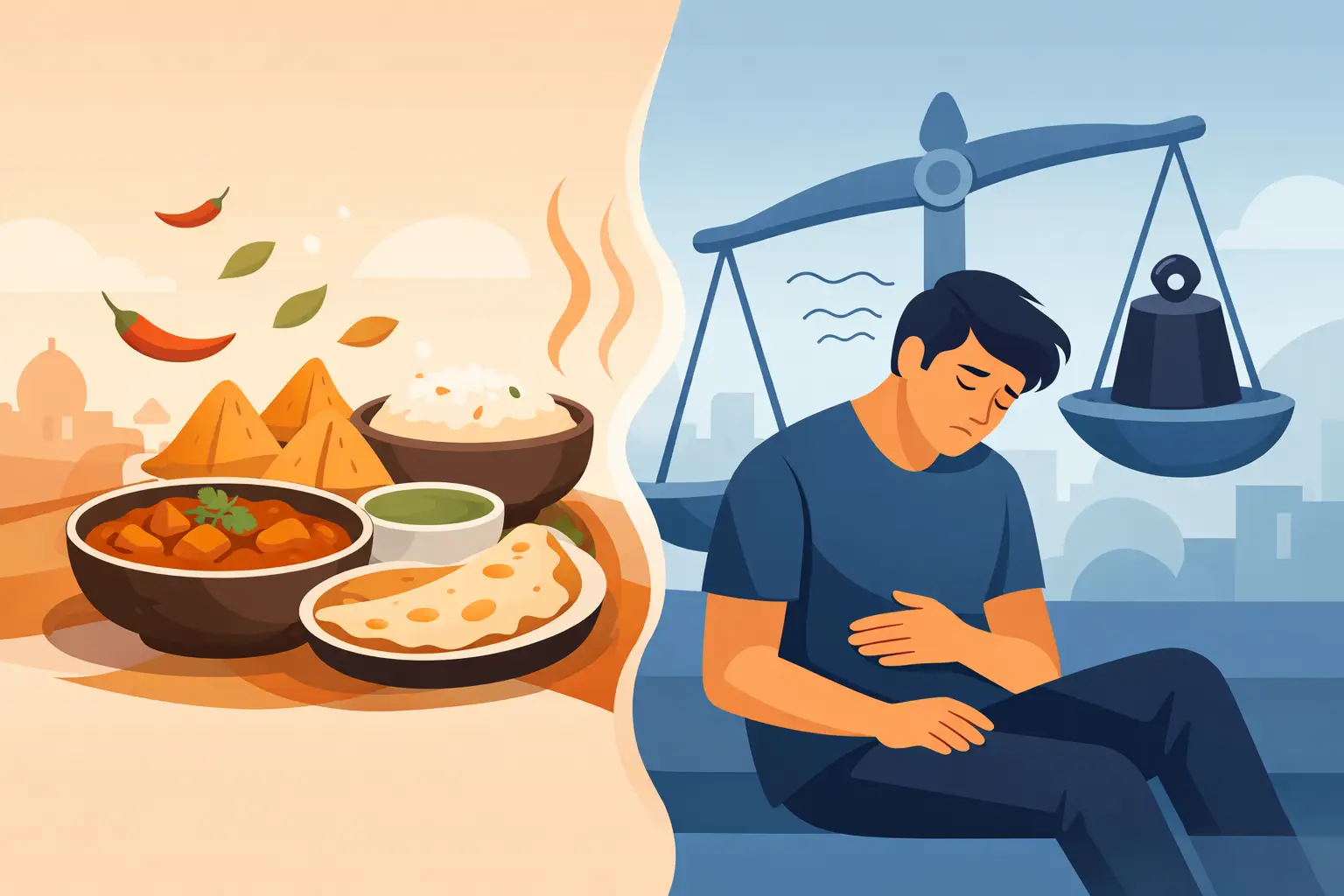
You finish a Friday night curry, sit back, and suddenly feel like you need a nap instead of dessert. If you’ve ever wondered why indian food feels heavy, the answer is usually less about Indian cuisine itself and more about how certain dishes are prepared, served, and paired.
That distinction matters. Indian food is one of the world’s most varied food traditions. It includes charcoal-grilled meats, light lentil dishes, vegetable-forward cooking, broths, steamed rice preparations, yogurt-based sides, and bright herb-led flavors. But in the UK especially, many people first meet Indian food through rich takeaway staples – creamy curries, buttery sauces, fried starters, naan on the side, and generous portions. When that’s the version on your plate, heaviness can follow.
Why indian food feels heavy in some meals
The biggest reason is richness stacking. A single dish might already contain cream, butter, oil, nuts, and slow-cooked onions. Add rice, naan, poppadoms, and starters, and the meal becomes far denser than it first appears.
Take a classic restaurant order. You may start with onion bhajis or samosas, then move to a creamy curry, add pilau rice, and tear through a naan while sipping a drink. None of those choices is unusual on its own. Together, they create a meal with a lot of fat, refined carbs, and sheer volume. That is what often creates the heavy feeling afterward.
It also helps to separate spice from richness. People often blame spices for feeling weighed down, but spice heat is rarely the real issue. Chili can feel intense, yes, but the sluggish, overfull sensation most diners describe usually comes from creamy sauces, extra oil, fried elements, and portions that go well past hunger.
The dishes people know best are often the richest
Part of the confusion is cultural familiarity. The Indian dishes most widely ordered in British restaurants and takeaways tend to be the richer, more indulgent ones. Think korma, tikka masala, makhani-style sauces, and biryanis served with added sides. These are deeply comforting dishes, but they are not the full story of Indian cooking.
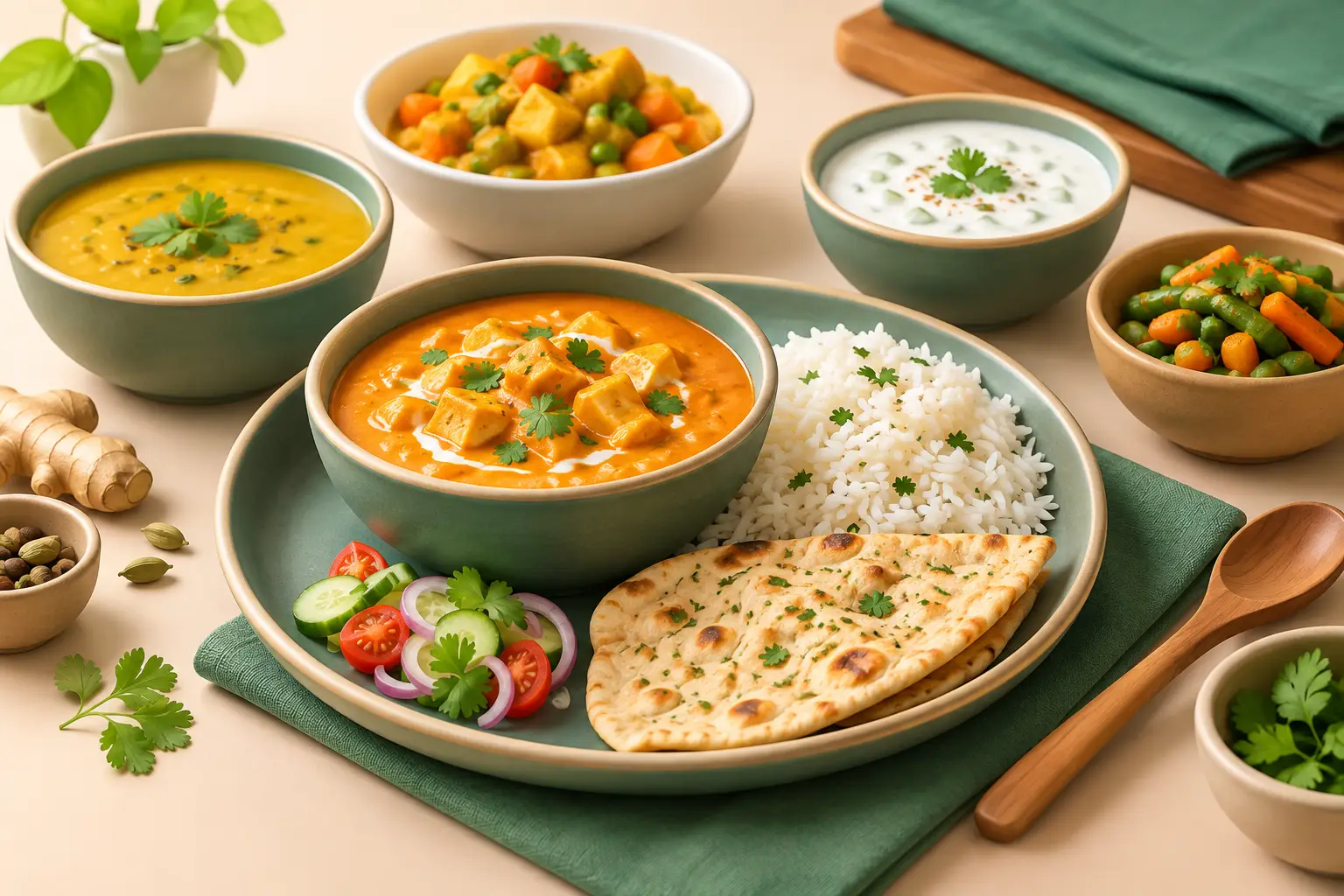
Across India, many everyday meals are actually balanced and relatively light. Home-style dal, grilled fish, sautéed vegetables, tandoori chicken, dry curries, and tomato-based dishes can feel satisfying without being overly rich. The problem is that those are not always the dishes diners choose when they want a treat.
That is why one Indian meal can leave you energized while another feels like too much. Cuisine is not the issue. Dish selection is.
Cream, butter, and oil change the experience fast
A sauce with cream and butter has a luxurious texture for a reason. Fat carries flavor, rounds out spice, and gives curries that velvety finish many people love. But it also slows the meal down in your stomach. Rich gravies cling to rice and bread, which makes each bite more filling than a lighter tomato, yogurt, or stock-based dish.
Oil can play a similar role. Traditional cooking often uses oil with purpose – to bloom spices, build depth, and carry aromatics. That is very different from using too much oil just to bulk out a sauce or create shine. When restaurants lean heavily on oil, dishes can taste flatter and sit heavier.
A well-made curry should feel layered and satisfying, not greasy. There is a big difference between richness and excess.
Portion size matters more than most people think
Another reason indian food feels heavy is simple: people often eat more of it than they realize. Indian meals are built for sharing, variety, and abundance. That is part of the pleasure. But it also means the table can fill up quickly.
A curry alone may be perfectly reasonable. Add rice, bread, a starter, a side dish, chutneys, and a dessert, and the total changes dramatically. Because flavors are so appealing and the meal often feels social and relaxed, it is easy to keep going past the point of comfort.
Restaurant and takeaway portions can make that even more pronounced. If a dish is designed to feel generous, you’re not just eating for hunger – you’re eating through abundance.
Why indian food feels heavy after takeaway more than dine-in
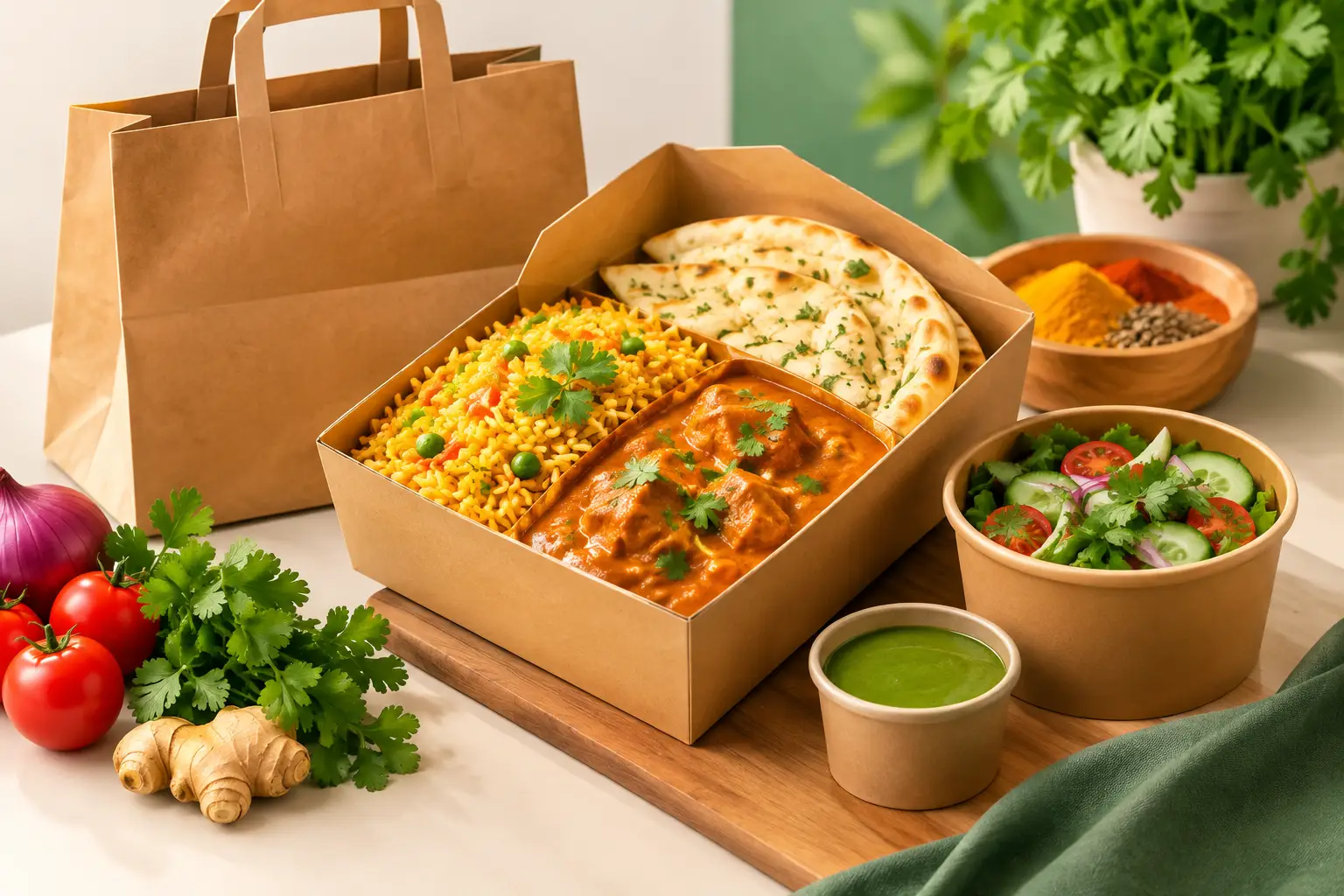
Takeaway can intensify all of this. Food travels in closed containers, where steam softens texture and sauces settle. Dishes can seem thicker, oil rises to the surface more noticeably, and it’s easier to order too much because everything arrives at once.
People also tend to eat takeaway in a different setting. You may be tired, eating later than usual, sitting on the sofa, and less likely to pace the meal. That makes fullness hit harder. Even a dish that would feel balanced in a restaurant can feel heavier at home if the meal is rushed, oversized, or eaten too late.
This is one reason modern Indian restaurants that cook to order and focus on fresher, cleaner preparation stand out. When sauces are more balanced and ingredients are handled with restraint, you taste the spices and herbs rather than just the fat.
Bread, rice, and starters can quietly tip the meal over
Many people look at the curry and assume that is the entire reason they feel heavy. Often, it is the combination around it.
Naan is delicious, but it is dense. Pilau rice is fragrant, but it adds another starch. Fried starters are satisfying, but they front-load the meal before the mains arrive. Even poppadoms and dips contribute more than diners tend to count mentally.
There is nothing wrong with any of that. The issue is cumulative weight. Choosing both rice and naan, plus a fried starter, plus a creamy main, is very different from ordering a tandoori dish with salad or a lentil side with plain rice.
This is where balance matters more than restriction. You do not need to strip the joy out of the meal. You just need to avoid building every element around richness.
Spice isn’t usually the culprit
It is worth saying clearly: spice does not automatically make food heavy. In fact, many spice-led dishes feel quite vibrant and clean. Cumin, coriander, turmeric, black pepper, ginger, mustard seed, fenugreek, and chili can create depth without relying on cream or excess oil.
Some diners do confuse heat with heaviness because both can create a strong physical sensation. But they are different experiences. A fiery vindaloo may feel intense, while a mild korma may feel far heavier afterward.
If you are sensitive to spice, that is a separate issue. It does not mean Indian food itself is inherently rich or difficult.
How to enjoy Indian food without that weighed-down feeling
The easiest shift is to order with contrast. If your main is rich, keep the sides simpler. If you want naan, skip extra rice. If you love biryani, you may not need another heavy dish alongside it.
Tandoori cooking is often a great place to start. Because food is cooked in high heat with less sauce, you get char, smoke, and spice without the same level of richness. Lentil dishes can also be deeply comforting without feeling excessive, especially when they are not overloaded with cream or butter.
Tomato-based curries, grilled seafood, dry-style dishes, and vegetable mains often give you the flavor people crave from Indian food while keeping the meal more balanced. Yogurt-based sides can cool spice and add freshness. A salad or vegetable dish brings relief to the richer parts of the table.
If you are ordering locally and want the experience to feel satisfying rather than sleepy, look for a kitchen that treats Indian food with care – fresh ingredients, made-to-order cooking, and a lighter hand with oil. That approach lets authenticity and wellness sit together. At Cilantro, that is exactly the point: real Indian flavor that feels polished, fresh, and easier to enjoy any night of the week.
Indian food is not supposed to feel uniformly heavy
This is the part most worth remembering. Indian cuisine is not one thing, and it certainly is not defined by the heaviest dishes on a takeaway menu. It can be rich and celebratory. It can also be fresh, vivid, and surprisingly light.
If a meal leaves you feeling overfull, that does not mean Indian food is too much for you. More often, it means the particular combination was too rich, too large, or built without enough balance. Once you notice that, ordering becomes much easier.
A good Indian meal should leave you satisfied, warmed, and already thinking about what you’d order next time.