Ask three Indian home cooks what makes indian food authentic, and you may get three different answers before the onions have even finished browning. That is part of the point. Authenticity in Indian food is not a single dish, a fixed heat level, or a heavy restaurant style. It is a way of cooking built on regional identity, layered spice, technique, and respect for ingredients.
For diners, that matters because authenticity is often confused with intensity. People expect richer sauces, more oil, more cream, and more heat than the food actually requires. In reality, authentic Indian cooking is often more balanced, more varied, and far more precise than the one-note idea many people have of a standard curry.
What makes Indian food authentic in real terms?
Authenticity starts with context. India is not one cuisine. It is a vast collection of regional food traditions shaped by geography, religion, climate, trade, and family customs. A dish from Punjab should not taste like a dish from Kerala, and a Gujarati vegetarian meal follows a different logic from a smoky tandoori grill selection from the north.
So when people ask what makes Indian food authentic, the best answer is usually this: does the dish stay true to the ingredients, methods, and flavor structure of the tradition it comes from? That does not mean it can never be refined or presented in a more modern way. It means the core character of the dish still feels honest.
A biryani, for example, is not authentic simply because it contains rice and spice. The rice should be cooked with care so each grain stays distinct. The aromatics should be deliberate, not random. The meat or vegetables should carry their own seasoning rather than disappear under a generic sauce. Even small details, like whether saffron, mint, fried onion, or whole spices are used, affect whether the dish tastes rooted or improvised.
Authenticity is built on technique, not just ingredients
One of the biggest misunderstandings around Indian food is that authenticity comes from having a long list of spices. Spices matter, of course, but technique matters more. The order in which ingredients are cooked can completely change a dish.
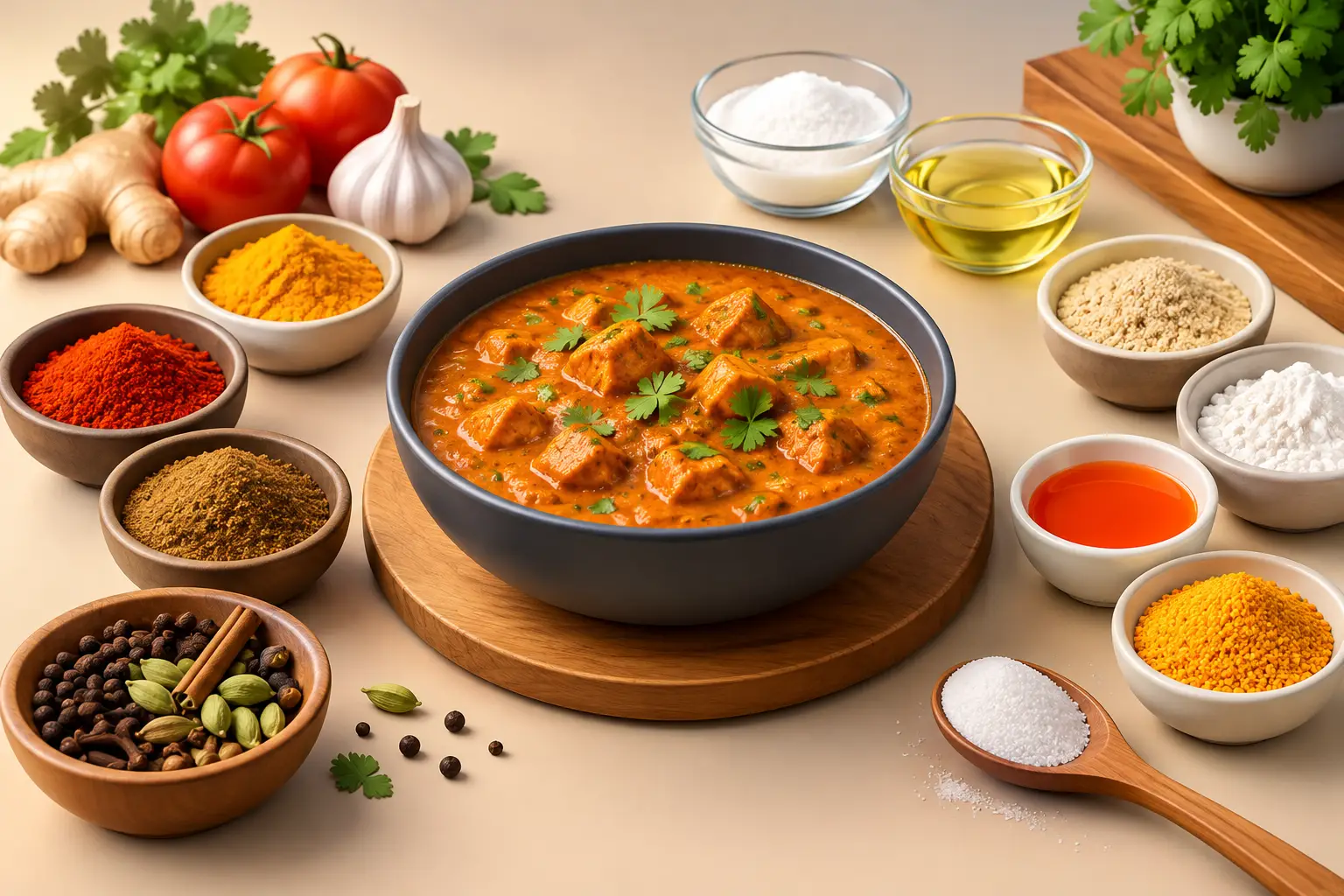
Take a simple curry base. Whole spices might be tempered in hot oil first to release aroma. Onions may be cooked slowly until sweet and golden, not rushed. Ginger and garlic are added at the right stage so they lose their harshness without becoming dull. Ground spices are cooked briefly to deepen flavor, but not so long that they burn. Tomatoes are reduced properly so the masala tastes rounded instead of sharp. None of that is flashy, but it is exactly where authenticity lives.
This is also why authentic Indian food does not need to feel greasy or overly heavy. Good cooking technique creates body and richness without relying on excess oil. A refined kitchen can stay true to traditional recipes while producing food that feels fresher and cleaner on the palate.
Fresh ingredients matter more than shortcuts
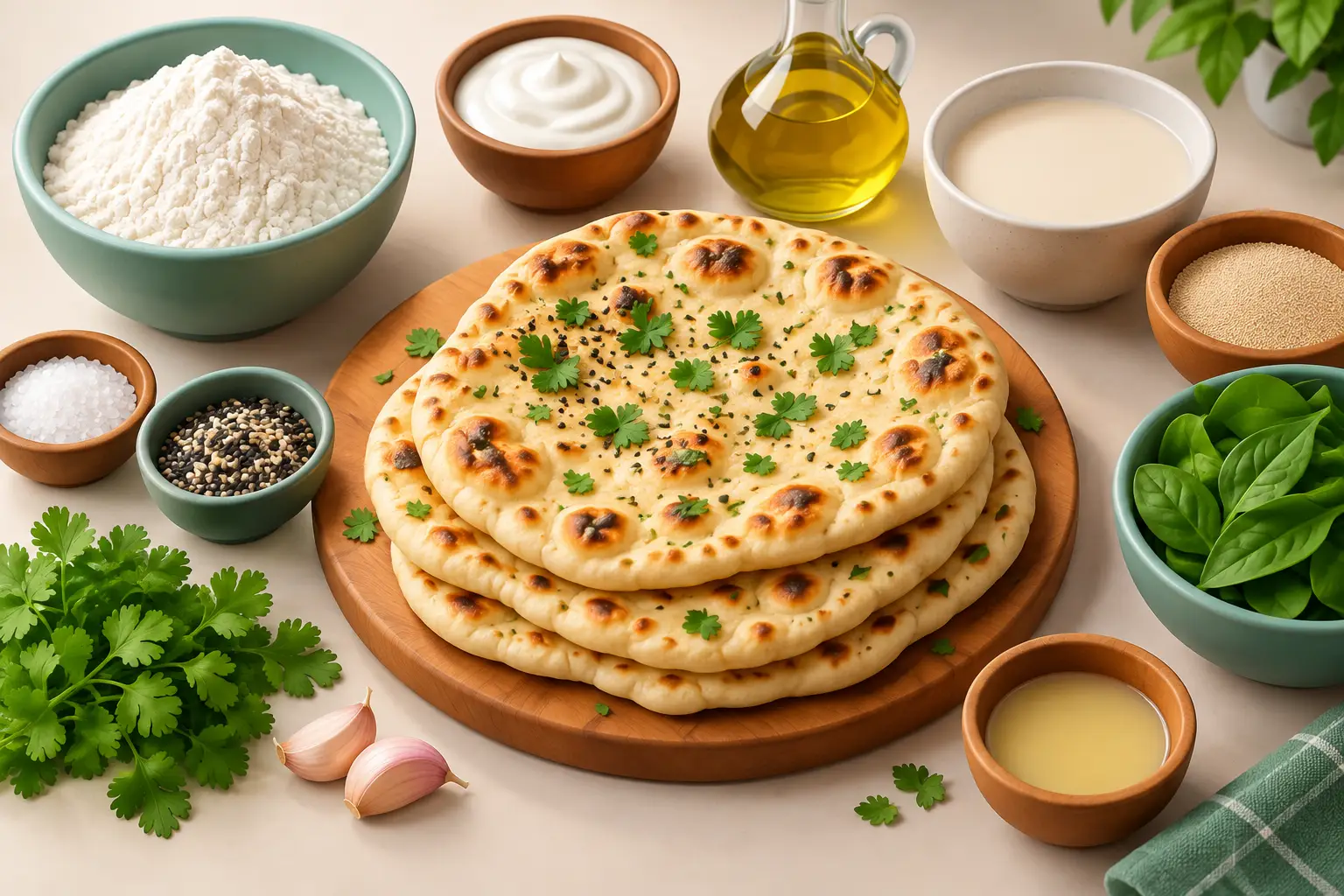
Indian cooking is often judged by the boldness of its seasoning, yet freshness is just as important as spice. Fresh ginger, garlic, green chilies, herbs, onions, tomatoes, yogurt, and citrus all bring brightness and structure. When those ingredients are stale or replaced with shortcuts, dishes lose their depth.
That is especially noticeable in tandoori dishes and lighter curries. Freshly marinated chicken has a different texture and fragrance from something that has been sitting too long. A saag made with properly handled greens tastes earthy and vibrant rather than flat. A lentil dish should taste comforting and slow-cooked, not muddy.
Authentic food is also careful food. It respects the ingredient instead of hiding it. If you can still taste the char on paneer, the sweetness of caramelized onion, the freshness of coriander, and the warmth of cumin separately before they come together, the cooking is doing its job.
Spice balance is more authentic than extreme heat
A common shortcut in the UK is to treat heat as proof of authenticity. It is not. Indian food can be hot, but heat alone says very little about whether a dish is authentic. In fact, too much chili can flatten a recipe and cover the details that make it distinctive.
Authentic spice is about layering. You might taste warmth from black pepper, sweetness from cinnamon or cardamom, earthiness from coriander, nuttiness from cumin, fragrance from cloves, and a gentle lingering heat from chili. That layered effect is far more true to Indian cooking than a blunt blast of spice.
This matters for diners who want depth without heaviness. A well-made jalfrezi, rogan josh, dal, or grilled fish can feel lively and satisfying without becoming overwhelming. When spice is balanced well, the dish feels complete rather than exhausting.
Regional identity is the heart of authentic Indian cuisine
Why authenticity changes from one dish to the next
The phrase Indian food is useful for convenience, but it can also blur the truth. Regional cooking traditions vary enormously. Coastal cuisine often leans into coconut, curry leaves, tamarind, mustard seeds, and seafood. Northern cooking may feature dairy, breads, tandoor cooking, and richer gravies. Western India brings sweet, sour, and spiced combinations that are quite different from eastern mustard-forward flavors.
That means authenticity is not about forcing every dish into one recognizable restaurant style. It is about allowing each dish to reflect its own background. A proper dal should not be judged by the same standards as a vindaloo. A biryani should not be treated like a curry poured over rice. A tandoori starter should rely on marinade, smoke, and texture more than sauce.
For restaurants, this takes confidence. It is easier to standardize everything into one familiar format. It takes more care to let dishes keep their distinct personalities while still serving modern diners who want freshness, consistency, and choice.
Can modern Indian food still be authentic?
Yes, absolutely. Authentic does not have to mean old-fashioned presentation, excessive richness, or refusing to adapt. A dish can be lighter, more polished, and better suited to contemporary dining while still being authentic in flavor and method.
That is an important distinction for local diners who love Indian food but do not always want the heaviness associated with a typical takeaway. Cleaner cooking, responsible sourcing, and made-to-order preparation are not moves away from authenticity. If anything, they can bring the food closer to what it should be – vibrant, balanced, and carefully prepared.
The trade-off is that modern refinement only works when the kitchen understands the original dish. If you remove too much spice, simplify the cooking process, or replace foundational ingredients with generic alternatives, the result may be lighter but it no longer feels true. Real authenticity leaves room for evolution, but not for losing the soul of the food.
What diners should look for in authentic Indian food
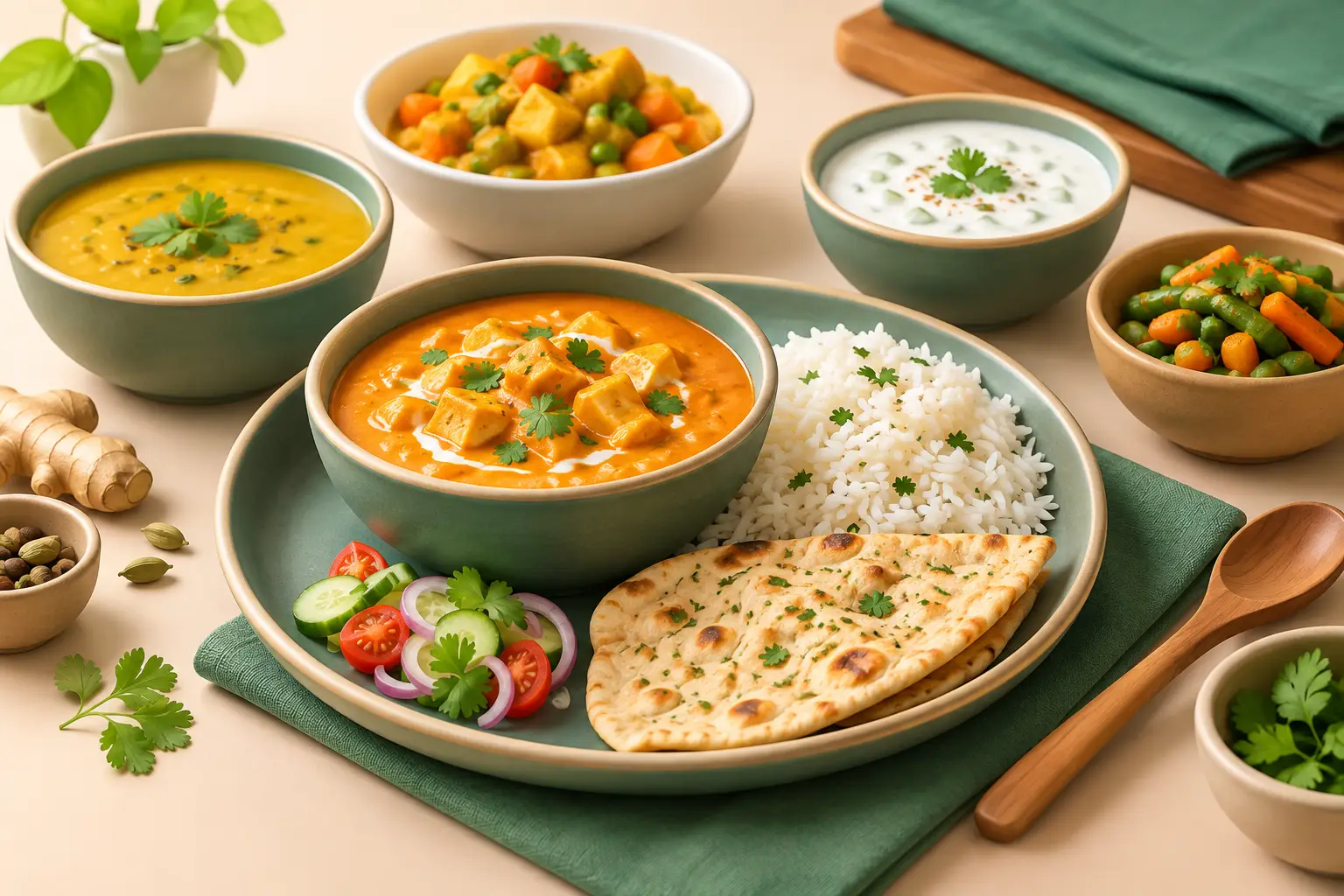
You can usually tell when a kitchen takes authenticity seriously. The menu has a point of view instead of reading like a random list of familiar curry-house names. Different dishes have different textures, colors, and spice profiles. Grilled items taste of proper marinade and char. Sauces do not all share the same base. Vegetarian dishes feel intentional, not like afterthoughts.
It is also worth noticing how you feel after the meal. Authentic Indian cooking should satisfy you, not just overwhelm you. Richness has its place, but balance is a better sign of skill. Food that tastes fresh, layered, and complete usually reflects a kitchen that values tradition enough to cook with care.
In places like Putney and nearby neighborhoods, diners are increasingly looking for that combination of authenticity and refinement. They want food that feels comforting and rooted, but also fresh enough for a weeknight dinner, a family meal, or a reliable takeaway at home. That is one reason modern Indian restaurants such as Cilantro resonate – they show that authenticity and a more balanced style can sit comfortably on the same plate.
Authentic Indian food is not about chasing a stereotype. It is about honesty in the cooking, confidence in the seasoning, and respect for where the dish comes from. When those things are in place, the food speaks for itself – warmly, clearly, and with real character.