A good office lunch can lift the mood faster than most team meetings, but a bad group order usually creates the same familiar problems – too much of one dish, nothing for vegetarians, and a table full of heavy food that leaves everyone sluggish by 3 p.m. If you are looking for an office curry order example that feels generous, balanced, and easy to manage, the best approach is to order with variety, dietary needs, and portion size in mind.
For most offices, curry works because it is flexible. It suits mixed tastes, travels well, and gives people real choice instead of a one-note lunch. The difference between a smart office order and a chaotic one usually comes down to planning. You want enough warmth and comfort to make lunch feel like a treat, but not so much richness that the afternoon disappears under a blanket of sleepiness.
What makes an office curry order work
The strongest group orders are built around balance. That means a mix of chicken, lamb, vegetarian, and vegan-friendly options, plus rice and breads that make the meal feel complete. It also means thinking beyond spice level alone.
Some teams love bold heat. Others want depth of flavor without too much fire. A thoughtful order caters to both. One milder curry, one medium-spiced favorite, one richer dish, and one lighter vegetable-based option usually gives enough range for a small to medium office without making the order complicated.
Texture matters too. If every dish is creamy, the meal starts to feel repetitive. If every dish is dry, it can feel less generous. The best office curry spread combines sauce-based curries with grilled or tandoori dishes, fresh sides, and a few lighter additions. That creates variety on the table and helps everyone find something that suits them.
Office curry order example for 10 people
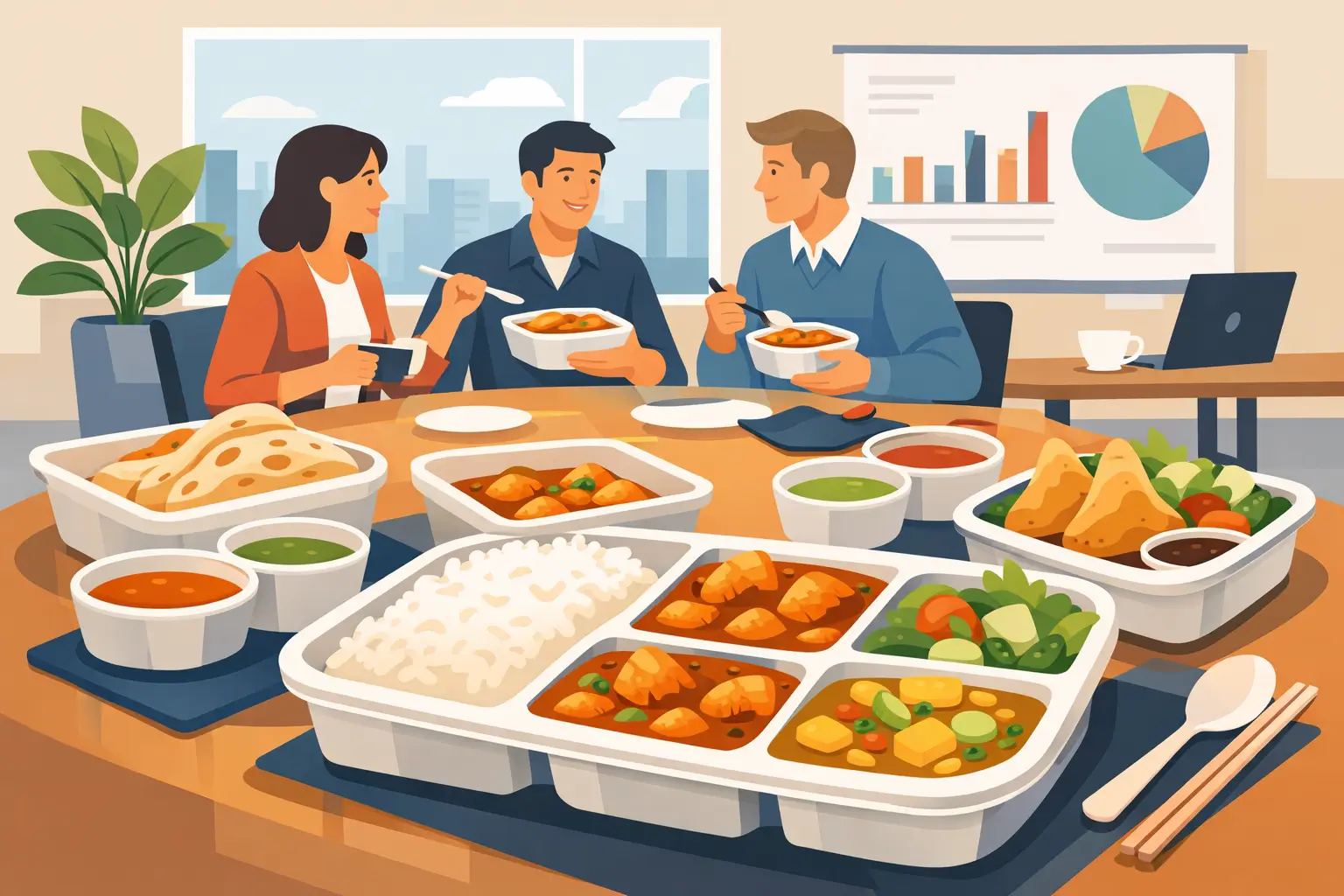
Here is a practical office curry order example for a team of 10. It is designed for a mixed office where some people want classic comfort, some prefer lighter choices, and at least a few may need vegetarian or vegan options.
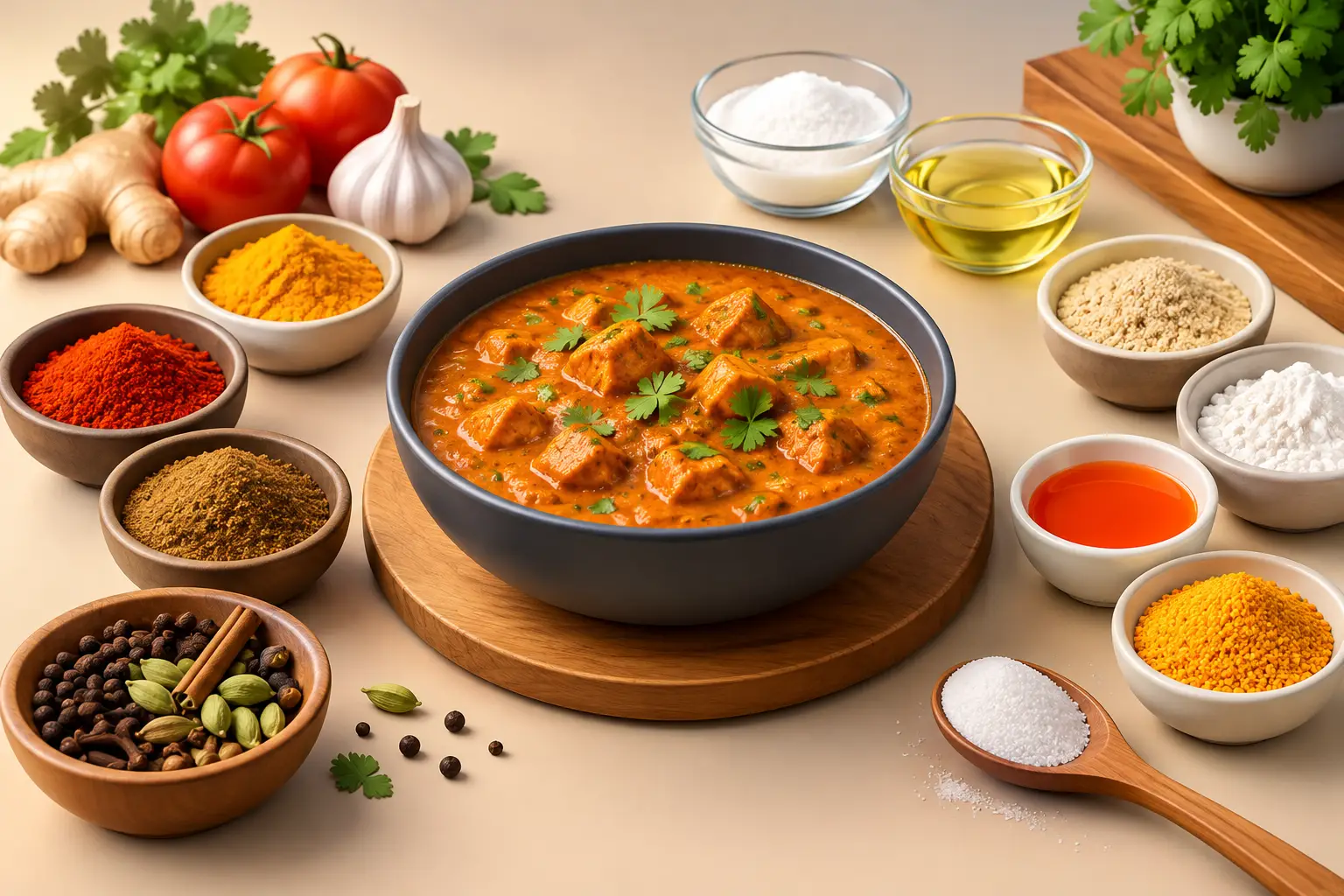
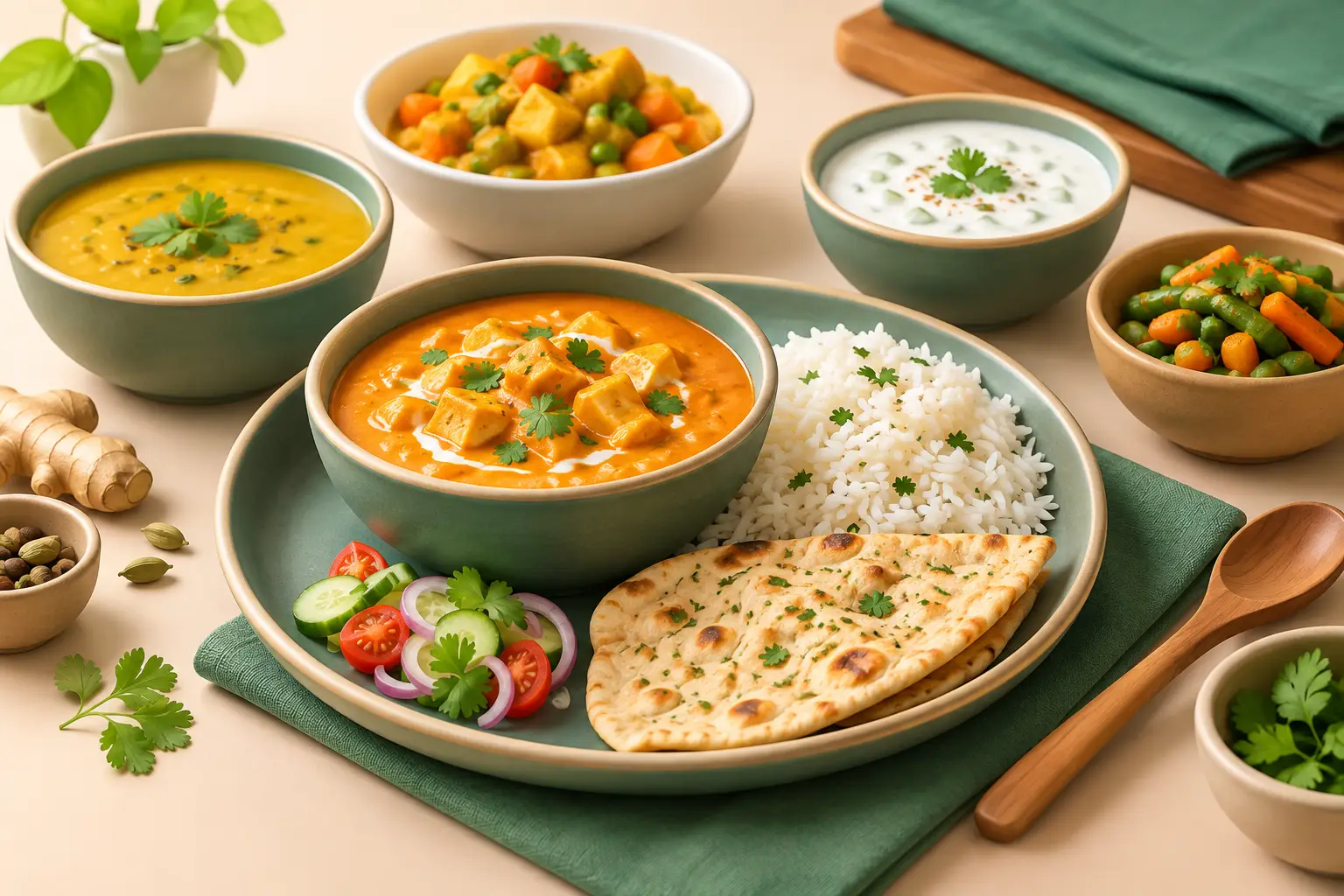
Start with two chicken dishes, one lamb dish, and two vegetable-based mains. A balanced order might include butter chicken or tikka masala for those who enjoy familiar, milder flavors, a chicken jalfrezi or chicken curry for a brighter and slightly spicier option, a lamb rogan josh for something rich and slow-cooked, a dal makhani or yellow dal for comfort and protein, and a vegetable curry such as chana masala, saag, or mixed vegetable curry for a fresh plant-based choice.
Add a tandoori platter or a couple of grilled starters if you want the meal to feel more complete without becoming too heavy. Tandoori chicken, paneer tikka, or seekh kebabs can work especially well in an office setting because they hold their texture and give people something beyond sauce and rice.
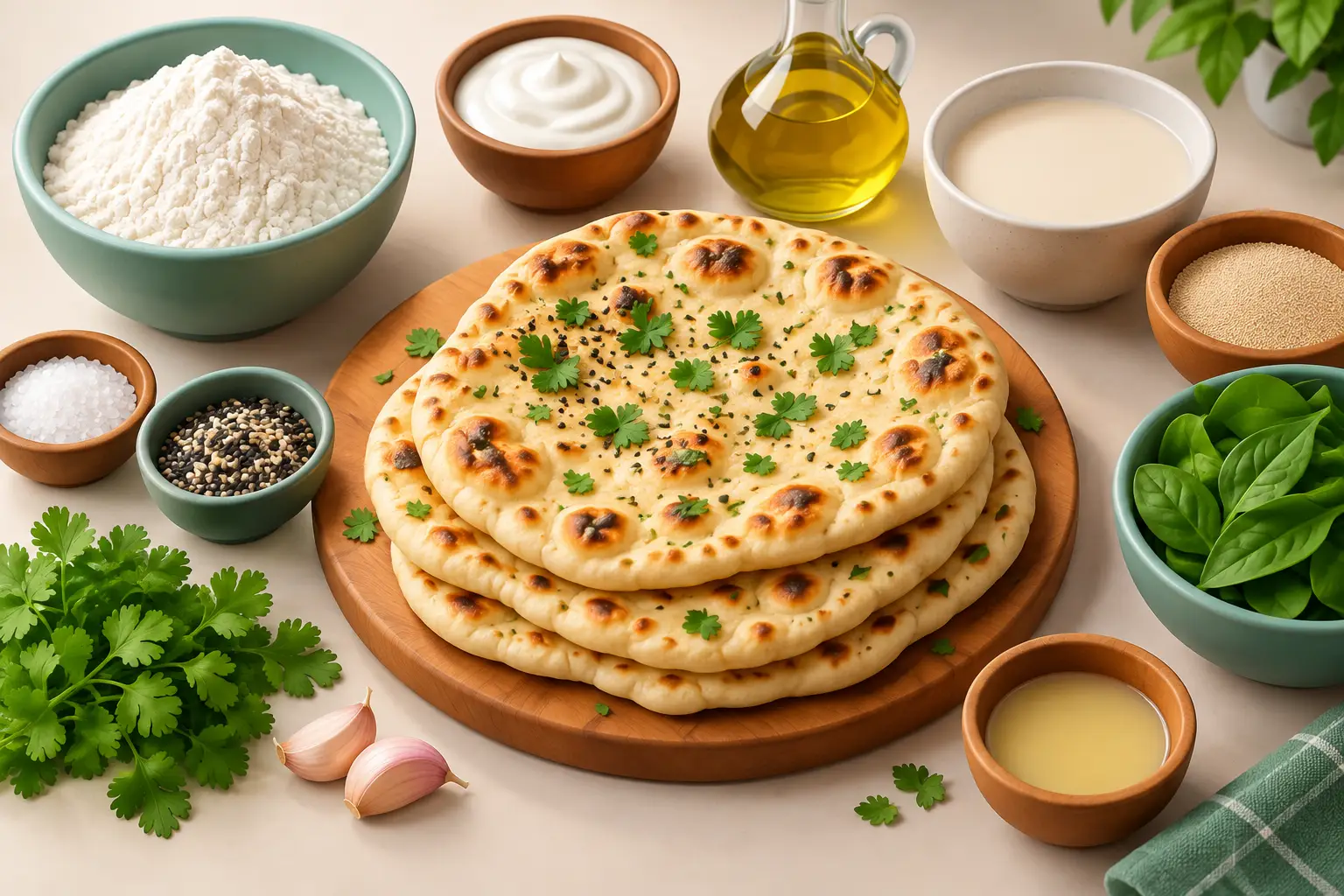
For sides, three to four portions of rice is often not enough for 10 unless the office is ordering very lightly. A safer middle ground is five or six rice portions, split between plain basmati and pilau if available. Then add four to six naan breads, ideally with at least one plain and one garlic option. If your team prefers a lighter lunch, you can reduce bread slightly and add a fresh salad or raita instead.
A sample order could look like this:
Chicken tikka masala x2 Chicken jalfrezi x1 Lamb rogan josh x1 Dal x1 Chana masala or saag paneer x1 Tandoori chicken or paneer tikka x2 starters Basmati rice x3 Pilau rice x3 Plain naan x3 Garlic naan x2 Raita x2 Salad x1
That gives a generous spread without going overboard. It also keeps the meal interesting and gives enough overlap that people are not left with one narrow option.
How to scale an office curry order example up or down
For smaller teams of four to six, you do not need the same level of range. In that case, three mains, two rice portions, and two or three breads often works well. The key is still variety. One chicken dish, one vegetarian curry, and one richer or spicier option usually covers the group better than ordering three similar dishes.
For 15 to 20 people, avoid the temptation to simply double everything. Larger groups need structure more than sheer volume. It helps to choose categories first: a mild crowd-pleaser, a medium-spiced curry, a lamb or chef-style dish, two vegetarian options, rice, bread, and a cooling side. Once that structure is in place, increase quantities based on appetite and whether lunch is the main event or part of a longer office day.
If you are ordering for a working lunch, people often eat a little less than they would at a relaxed team social. If it is a Friday treat or a celebration, appetite tends to go up. That small detail changes how much rice, bread, and starters you should add.
Dietary needs are not a side issue
Any useful office curry order example should account for dietary preferences from the start, not as an afterthought. In most teams, there will be at least one vegetarian, often someone avoiding dairy, and sometimes someone who needs gluten-free options too.
Indian food can make group ordering easier because there are naturally strong plant-based dishes on the menu. Dal, chana masala, vegetable curry, and some tandoori dishes offer real substance rather than token alternatives. That matters. Nobody wants the vegetarian option to feel like a compromise.
It is worth checking which dishes contain cream, butter, or yogurt if your team includes vegan diners. The same goes for breads, since not every naan is suitable for every diet. Rice-based sides, lentil dishes, and vegetable curries usually create the most flexibility. If someone in the office has an allergy, separate packaging and clear dish labels can make the whole lunch less stressful.
Why lighter curries often work better for office lunches
A classic curry feast at home can be rich, indulgent, and exactly what you want on a cold evening. Office lunch is different. You still want comfort and flavor, but you also want food that feels fresh enough to keep the day moving.
That is why made-to-order curries, grilled dishes, and balanced vegetable sides tend to work so well for daytime group meals. They give people the satisfaction of a proper lunch without the heaviness often associated with standard takeaway food. It is less about cutting back and more about choosing well.
For offices in Putney, Roehampton, Barnes, or nearby areas, this is often what turns a one-off group order into a regular Friday ritual. People remember when lunch feels generous and polished, not greasy and forgettable.
A few practical ordering tips that save hassle
Timing matters almost as much as the menu. If your team wants to eat at 1 p.m., placing the order at 12:55 rarely goes smoothly. Group orders benefit from a little lead time, especially if you want several mains and mixed dietary options.
It also helps to nominate one person to collect preferences and confirm spice tolerance before the order goes in. That sounds obvious, but it prevents the usual lunchtime debate over whether everyone actually likes vindaloo. In most offices, medium spice with one hotter option is the safest route.
Think about serving style too. Individual meals can be easier for formal meetings, but shared dishes often create a more relaxed and generous lunch. Shared curry spreads also make more sense when you want variety without ordering one full main per person.
If you are ordering from a restaurant that focuses on fresher, more balanced Indian cooking, that can make a noticeable difference for group lunches. Cilantro London, for example, is known locally for Indian food that feels refined, fresh, and full of character, which suits office orders where people want quality as much as convenience.
The best office curry order example is the one people want again
There is no single perfect formula because every office has its own habits. Some teams want the comfort of butter chicken and naan every time. Others prefer a broader spread with grilled dishes, lentils, and lighter vegetable curries. The right order depends on headcount, appetite, budget, and how adventurous your team really is.
Still, the strongest approach is usually simple: order a balanced mix, include proper vegetarian choices, avoid making everything too rich, and leave enough room for everyone to enjoy lunch without feeling overloaded. Get that right, and office curry stops being just convenient food. It becomes the meal people quietly hope someone suggests again next week.