
A great Indian meal should feel generous, colorful, and satisfying, not like a guessing game. This Indian menu guide makes it easier to choose dishes that suit your appetite, spice preference, and dietary needs, whether you are planning a relaxed dinner in Putney or ordering a comforting meal at home.
Indian cuisine is not one single style of cooking. It is a collection of regional traditions shaped by local ingredients, family recipes, and centuries of spice knowledge. A rich North Indian curry, a smoky dish from the tandoor, and fragrant rice-based biryani can all belong on the same menu, yet each delivers a very different experience. The best order starts with knowing what you want from the meal.
Start With the Style of Dish You Want
Before choosing a familiar name, consider the cooking method. It often tells you more about the dish than whether it is described as mild, medium, or hot.
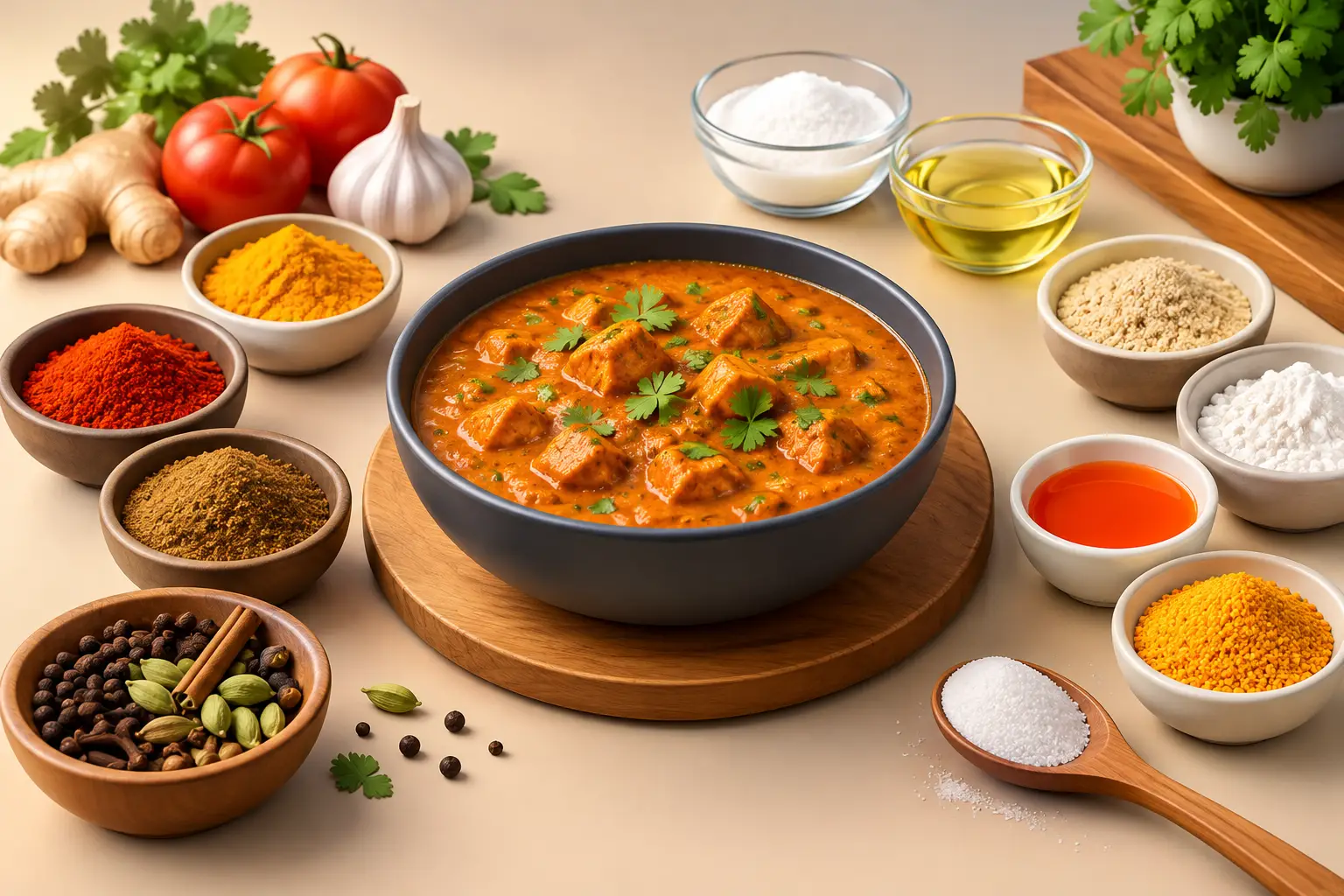
Curries are sauce-based dishes, often built around onions, tomatoes, ginger, garlic, warming spices, and herbs. Their texture can range from silky and creamy to bright, tangy, and deeply spiced. They are ideal when you want something comforting to enjoy with rice or bread.
Tandoori dishes are cooked at high heat in a traditional clay oven. Chicken, paneer, fish, or vegetables are typically marinated with yogurt, spices, and aromatics before cooking. The result is charred at the edges, tender within, and naturally lighter than a sauce-heavy main. Tandoori dishes work especially well if you enjoy bold flavor but prefer a meal that does not feel overly rich.
Biryani is a complete rice dish, layered with fragrant basmati rice, spices, herbs, and a choice of vegetables or protein. It has more depth than plain rice, but it is not necessarily fiery. A well-made biryani is aromatic, balanced, and satisfying on its own, though a cooling yogurt side can make it even better.
An Indian Menu Guide to Curries
Curry names can be confusing because the same dish may vary slightly from restaurant to restaurant. Recipes are personal, and spice blends are often closely guarded. Still, a few broad descriptions help you order confidently.
If you prefer a creamy, gently spiced dish, look for korma-style curries. These commonly use yogurt, cream, coconut, or ground nuts for a soft, rounded flavor. They are a good entry point for diners who want warmth from spices without much chili heat. The trade-off is richness, so pairing one with a fresh salad, grilled vegetables, or tandoori protein can keep the meal balanced.
For something brighter and more savory, tomato-based curries are a strong choice. Butter chicken is usually smooth and comforting, while tikka masala tends to bring more tomato tang and spice depth. Both can be wonderful, but they are often more indulgent than a grilled dish. Choose them when comfort is the goal, rather than assuming they are the lightest options on the menu.
Jalfrezi and similar pepper-forward curries are usually livelier, with onions, peppers, tomatoes, and chili. They offer texture and a fresher finish than creamier sauces. A rogan josh-style curry often delivers a more intense, aromatic flavor, built with warming spices rather than simply extra heat.
When a menu lists madras, vindaloo, or a chef’s hot curry, expect a more pronounced chili presence. Heat can be delicious, but it should not cover every other flavor. If you are unsure, ask for the dish at a moderate level of spice. It is easier to add heat through fresh chili or pickle than to make an overly hot meal milder.
Tandoori, Grilled, and Lighter Choices
For a fresh, health-conscious order, begin with the tandoor section. Tandoori chicken, chicken tikka, grilled paneer, and spiced fish are marinated before cooking, so they carry plenty of flavor without relying on a heavy sauce.
This is also the easiest way to create a meal around your own appetite. Pair a tandoori main with sautéed vegetables, salad, or lentils for a satisfying plate. Add a small serving of rice or one piece of bread if you want the full restaurant experience without turning the meal into an afterthought at bedtime.
Paneer deserves special attention. This fresh Indian cheese has a mild flavor and firm texture that holds up beautifully to the tandoor, spinach sauces, and spiced gravies. It is filling and vegetarian-friendly, though it is richer than vegetables or lentils. For a lighter vegetarian option, choose chickpeas, lentils, okra, eggplant, or seasonal vegetables when available.
At Cilantro London, made-to-order cooking and responsibly sourced ingredients support the kind of Indian dining many local guests are looking for: authentic flavor, careful preparation, and a meal that still feels good afterward.
Rice, Breads, and the Right Sides
Rice and bread are not just fillers. They help you enjoy the sauce, contrast the spices, and make a shared meal feel complete.
Steamed basmati rice is the most versatile choice. Its clean fragrance lets a curry shine, and it is particularly good with saucier dishes. Pilau rice adds spices and color, making it more flavorful but also more substantial. Biryani already includes rice, so adding another large rice portion is usually unnecessary unless you are feeding a group.
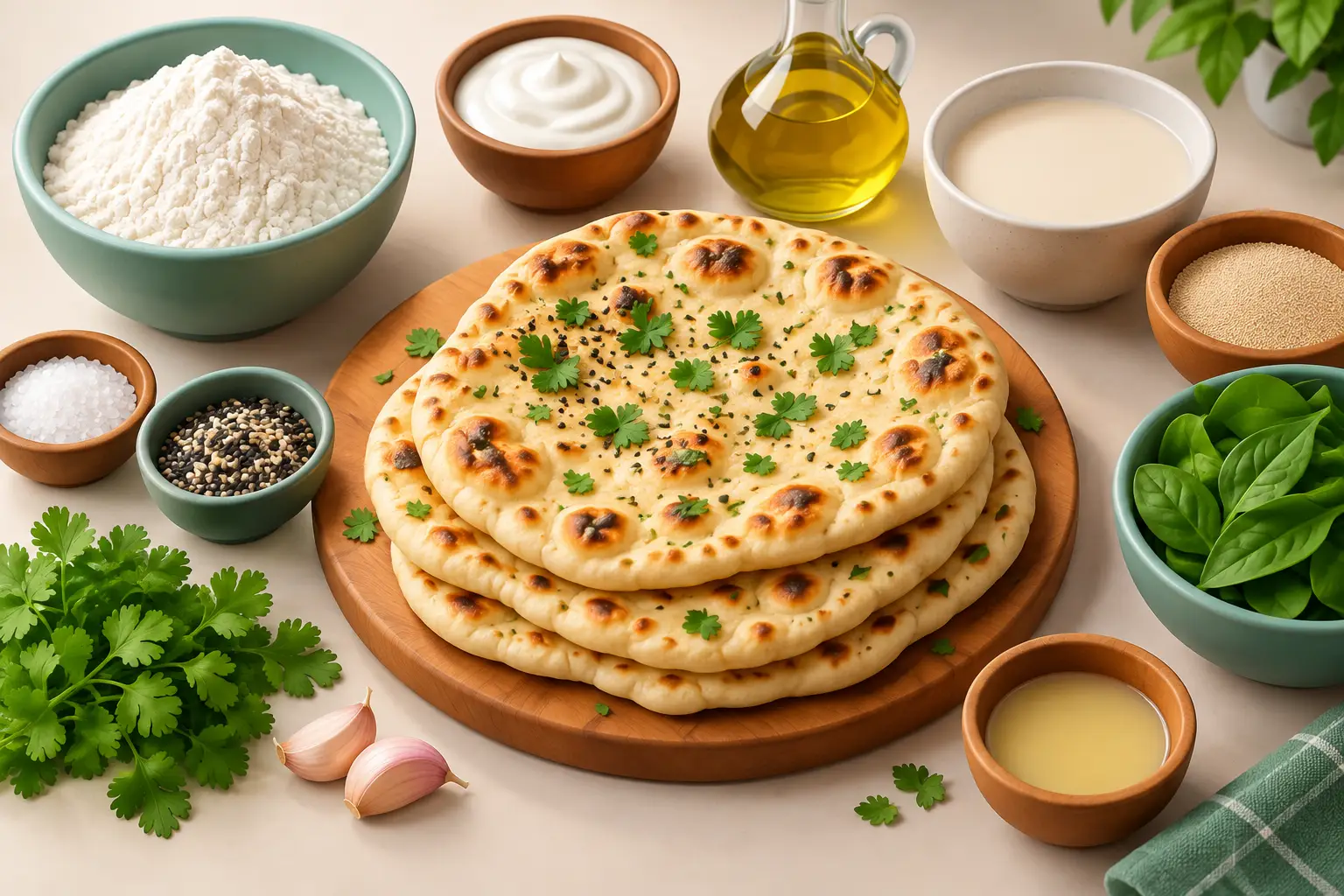
Naan is soft, warm, and ideal for scooping up curry. Plain naan is a reliable partner for almost any main, while garlic naan adds savory richness. If your meal includes a creamy curry, consider sharing one naan rather than ordering one per person. Roti or chapati is typically a lighter, whole-wheat-style alternative with a simpler flavor.
A cooling side can make a major difference, especially beside spicy dishes. Raita, made with yogurt and often cucumber or herbs, softens chili heat and adds freshness. Chutneys, pickles, and salads bring acidity or sweetness that cuts through richer curries. These small additions are often what turn a good order into a well-balanced one.
Vegetarian, Vegan, and Gluten-Free Ordering
Indian food offers an excellent range of plant-forward dishes, but dietary labels should never be assumed. Ghee, cream, yogurt, paneer, and ground nuts are common in traditional cooking, while sauces can contain ingredients that are not obvious from the dish name.
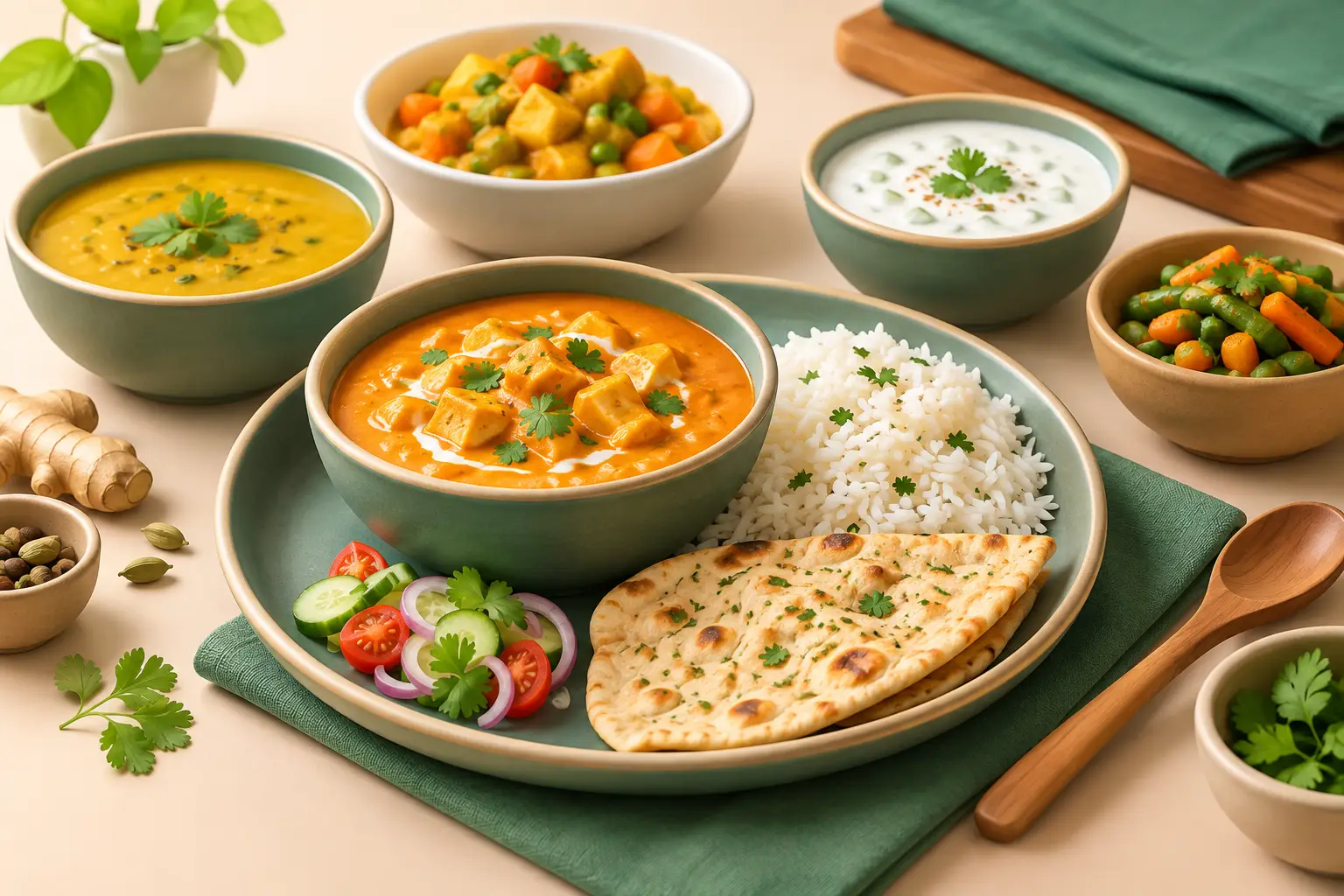
For vegetarian diners, lentil dishes such as dal, chickpea curries, paneer preparations, and vegetable mains provide plenty of variety. A thoughtful order might combine one lentil dish, one vegetable or paneer dish, rice, and a bread to share. That creates contrast without repeating the same flavors.
For vegan diners, ask whether a dish is prepared without dairy, ghee, or cream. Lentils, chickpeas, potatoes, eggplant, okra, and many vegetable curries can often be suitable, but confirmation matters. The same applies to gluten-free dining. Naturally gluten-free rice dishes and many curries may fit your needs, yet cross-contact and bread-related ingredients should be discussed directly with the restaurant.
A good restaurant will welcome those questions. Clear communication helps the kitchen guide you toward dishes that are both safe and genuinely enjoyable, rather than leaving you with the most limited option on the menu.
How to Build an Order for the Table
When ordering for two or more people, variety matters more than volume. Choose one sauce-based curry, one tandoori or grilled dish, one vegetable or lentil side, then add rice and bread. This gives everyone different textures and spice profiles to try.
For a casual weeknight delivery, a single main with basmati rice and a fresh side may be all you need. For a date night or family meal, add starters such as crisp samosas, onion bhajis, or marinated grilled bites, but keep an eye on richness. Fried starters and creamy mains can be delicious together, though a tandoori dish or salad brings welcome balance.
If you are ordering for guests with different heat preferences, keep the shared dishes mild to medium and add a hotter curry for the chili lovers. That approach is more generous than making the entire table negotiate around one very spicy dish.
The best Indian order is the one that fits the occasion: warming curry on a rainy evening, smoky tandoori cooking when you want something lighter, or fragrant biryani when one memorable bowl is enough. Ask questions, share a few contrasting dishes, and leave room for the flavors to do what they are meant to do – bring people together.