If you have ever finished an Indian takeaway feeling more weighed down than satisfied, the issue is not the cuisine itself. It is often how the food was made. Indian food without additives should taste vibrant, layered, and deeply comforting, not overly oily, strangely sweet, or packed with ingredients that flatten the character of the dish.
That distinction matters more than many diners realize. Indian cooking has always had a strong relationship with freshness – toasted spices, ginger, garlic, herbs, yogurt, lentils, tomatoes, onions, and carefully balanced cooking methods. When those foundations are respected, the food feels generous and full of flavor without needing shortcuts.
What indian food without additives really means
For many guests, the phrase means food without artificial colors, flavor enhancers, unnecessary preservatives, or pre-made sauces designed for long shelf life rather than real depth. It also points to a broader expectation: cleaner cooking, fresher ingredients, and dishes prepared with more care.
That does not mean every plate is automatically low-calorie or mild. A proper biryani can still be rich. A butter chicken can still feel indulgent. The difference is that the richness comes from the ingredients and technique, not from heavy-handed processing or additives used to imitate freshness.
In practice, indian food without additives often starts with made-to-order cooking. Fresh onions cooked down properly create body. Tomatoes bring acidity and sweetness. Ground spices add warmth and complexity. Yogurt, cream, coconut, or cashew may be used where a recipe calls for them, but they should support the dish rather than mask it.
Why additives can dull good Indian cooking
Indian cuisine depends on balance. Spice is only one part of the picture. Sweetness, tang, bitterness, smokiness, and texture all have a role. When artificial flavor boosters, excess sugar, or coloring agents enter the mix, that balance can disappear quickly.
A bright red curry may look appealing at first glance, but color alone says very little about quality. In fact, some of the most satisfying Indian dishes are earthy, golden, deep brown, or softly green because they reflect the ingredients used. Saag should look like greens. Tandoori dishes should show char and spice, not neon tones.
The same goes for texture. Sauces made from real ingredients tend to feel more alive on the palate. They are not uniformly thick in the way factory-made bases often are. You may notice a fresher finish, a cleaner spice profile, and a meal that feels complete rather than overwhelming.
The ingredients that matter most
If you are looking for a cleaner style of Indian food, a few ingredients tell you a lot about the kitchen behind the dish. Fresh garlic and ginger should taste distinct, not muddy. Spices should be fragrant rather than dusty. Herbs should add lift. Proteins and vegetables should taste like themselves.
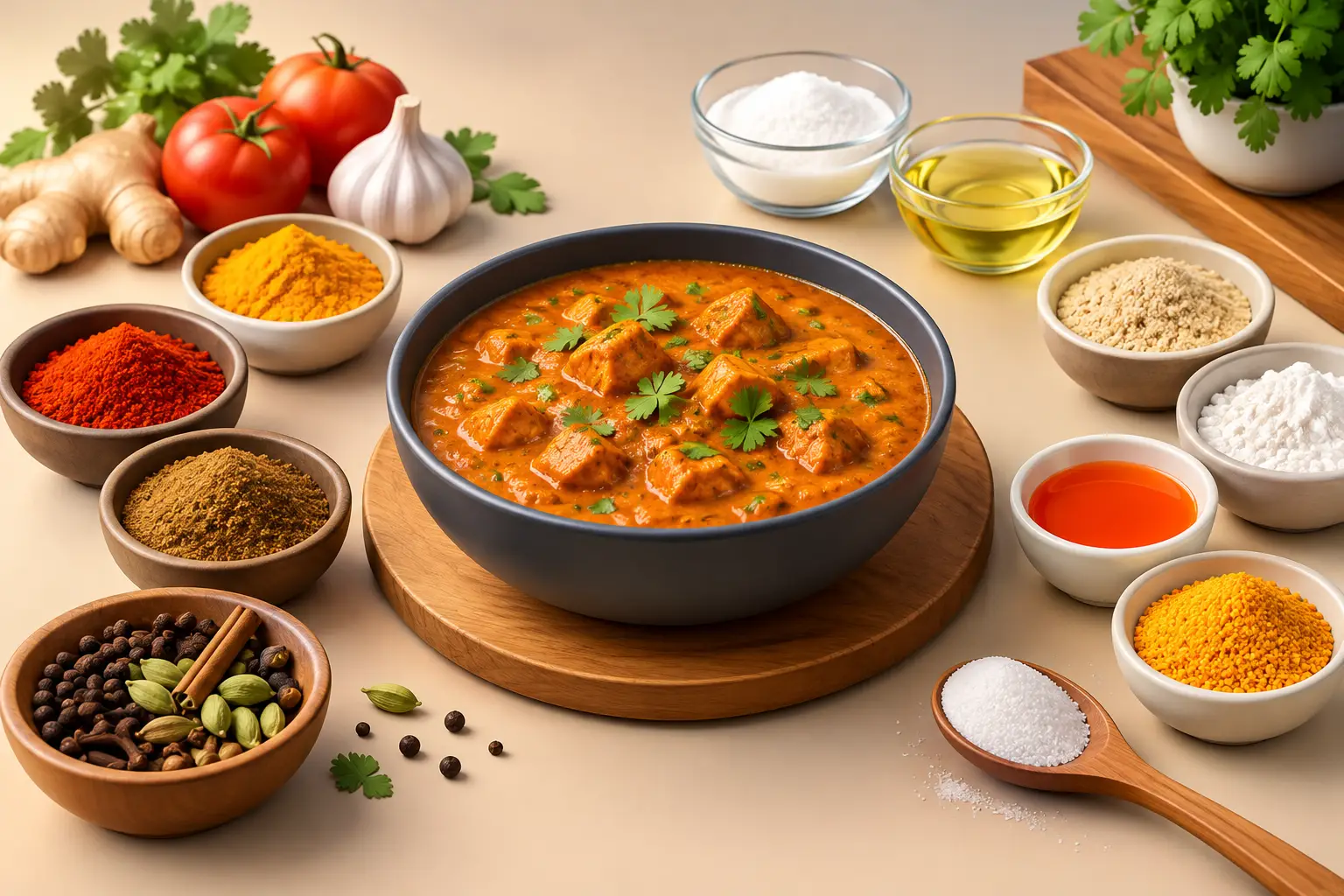
Onions, tomatoes, chilies, coriander, cumin, turmeric, cardamom, cinnamon, fenugreek, and black pepper are not there for label appeal. They are the structure of the cuisine. When they are handled well, the food does not need much else.
This is also why made-to-order preparation matters. A curry finished for service can hold onto brightness and texture in a way that pre-mixed gravy cannot. Tandoori cooking benefits from proper marination and high heat. Biryani needs patient layering. Dal needs time, but not shortcuts.
There is also a wellness angle, although it should be approached honestly. Freshly prepared Indian food can feel lighter and more balanced, but lighter does not mean stripped back or joyless. It simply means the meal is not relying on grease, sugar, and additives to create impact.
Indian food without additives is not the same as bland food
This is where some diners hesitate. They hear cleaner ingredients and assume the result will be less exciting. Good Indian cooking proves the opposite.
Real flavor comes from technique. Toasting whole spices changes their aroma. Slow-cooking onions develops sweetness. Marinating adds tenderness and depth. Char from the tandoor creates complexity you cannot fake. A fresh squeeze of lemon or a handful of chopped herbs at the end can do more for a dish than any additive ever could.
So if you prefer bold food, there is no trade-off here. The right kitchen can deliver heat, richness, comfort, and depth while still keeping the ingredient list closer to what a home cook or skilled chef would actually use.
What to look for when ordering
You do not need a full ingredient breakdown to get a sense of quality. Menu language, dish style, and the overall positioning of a restaurant can tell you a lot.
Look for signs that food is cooked fresh, prepared to order, or built around authentic recipes. Menus that offer thoughtful vegetarian, vegan, and gluten-free choices often signal a kitchen that pays closer attention to ingredients and preparation. A focus on grilled dishes, lentils, tandoori cooking, fresh salads, and balanced curries is another good sign.
It also helps to notice what is not being emphasized. If a restaurant leans heavily on oversized portions, fluorescent sauces, or the sort of heaviness that leaves every dish tasting similar, that may not be the experience you want.
For local diners around Putney, Barnes, Southfields, or Richmond, this can make all the difference on a weeknight. You want food that satisfies, travels well, and still feels polished enough for dinner at home, a family meal, or a relaxed date night.
Dishes that naturally suit a cleaner approach
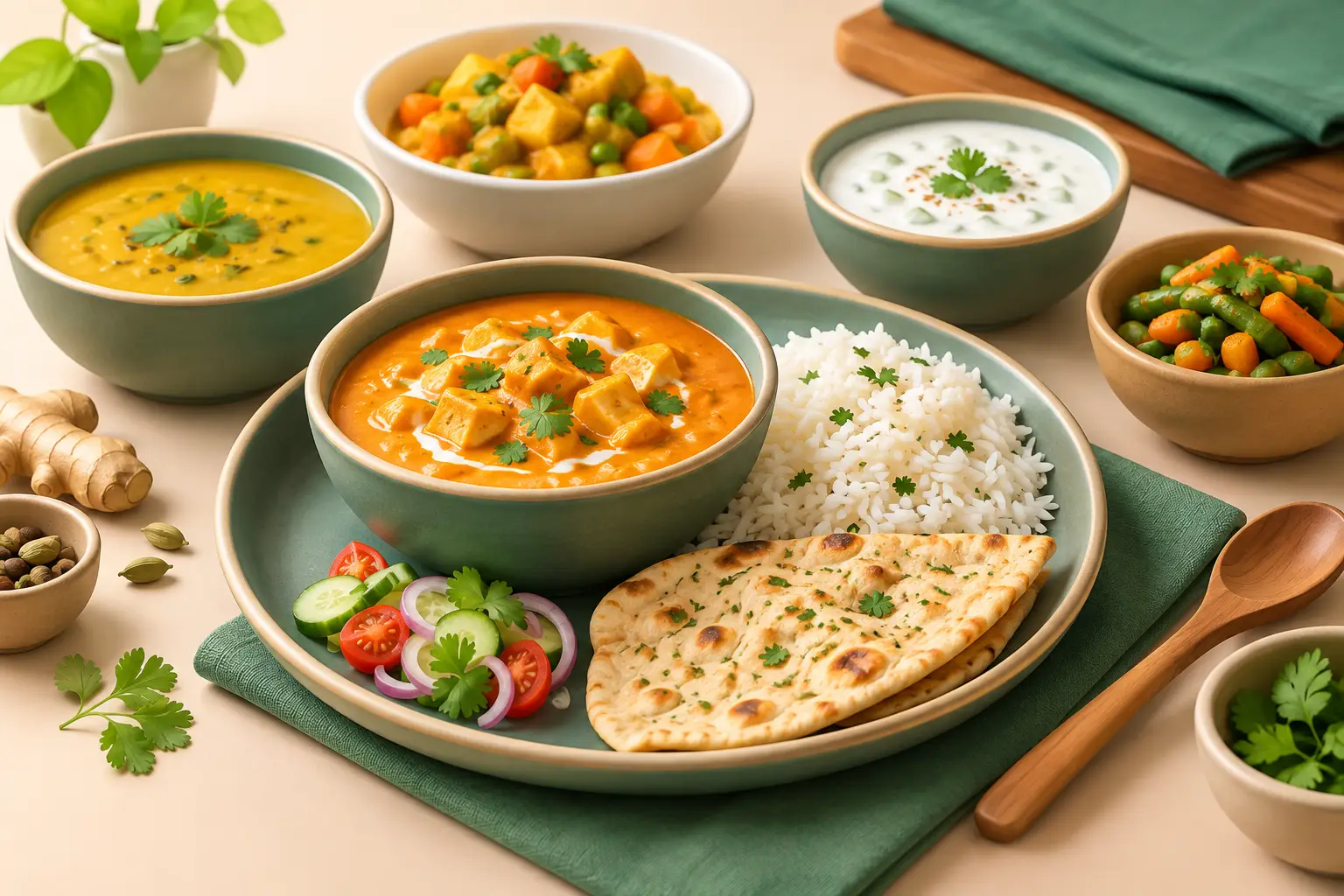
Some Indian dishes are especially well suited to additive-free cooking because their appeal already comes from freshness and balance. Tandoori chicken, grilled prawns, paneer tikka, chana masala, dal tarka, vegetable curry, and biryani all rely on recognizable ingredients and straightforward depth.
That said, creamy favorites can absolutely fit too. Korma, tikka masala, and butter chicken are not automatically poor choices. It depends on how they are prepared. When the sauce is built from real aromatics and dairy or nuts are used with restraint, these dishes can feel rounded and satisfying rather than cloying.
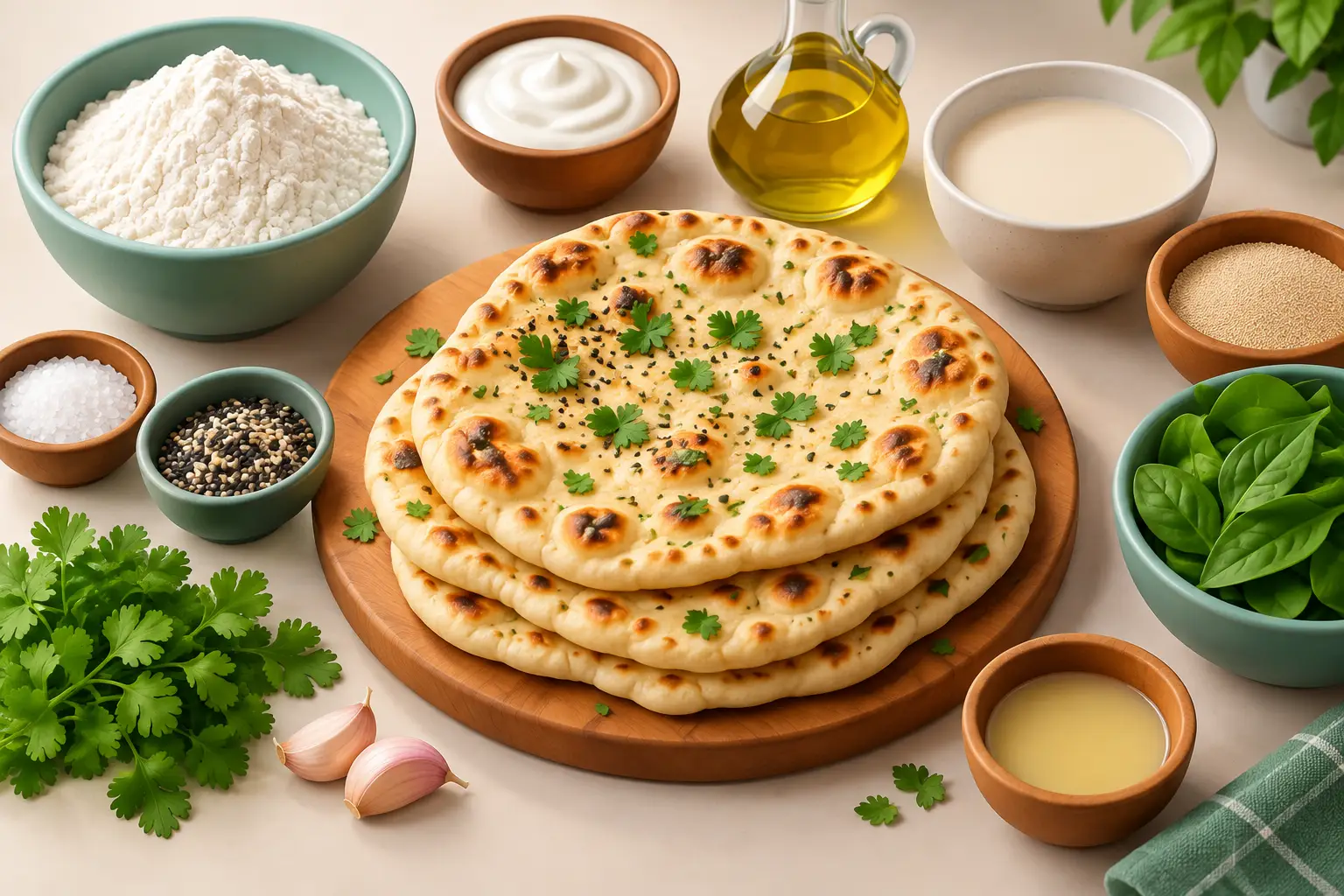
The same is true for sides. Fresh naan, properly cooked basmati rice, cucumber raita, and simple salads add contrast and structure to the meal. They should support the main dishes, not feel like afterthoughts.
A more modern expectation of Indian dining
Today’s diners are not asking Indian restaurants to become something else. They are asking for the best version of what Indian food already is – expressive, generous, and rooted in real cooking.
That is why the conversation around additives is really a conversation about standards. People want convenience, especially for takeaway and delivery, but they also want food that feels cared for. They want authentic recipes with a fresher, more balanced finish. They want dishes they can enjoy on a Tuesday night without feeling like they have overdone it.
That balance is possible. At its best, a modern Indian kitchen respects tradition while being thoughtful about sourcing, portioning, preparation, and dietary needs. It does not dilute the cuisine. It simply brings more precision to it.
For a neighborhood restaurant, that matters. Trust is built one meal at a time. Guests return when they know the flavors will be consistent, the ingredients will feel fresh, and the menu will suit different occasions, from quick solo dinners to family orders and small celebrations. That is part of what makes a local restaurant feel dependable.
Cilantro London was built around that idea – authentic Indian cooking prepared with freshness, balance, and care, so guests can enjoy restaurant-quality food without the heaviness many have come to expect from standard takeaway.
Why this choice feels better after the meal
The clearest test of quality is often how you feel after eating. A well-cooked Indian meal should leave you satisfied, warm, and already thinking about what you would order next time. It should not feel like a compromise between flavor and comfort.
Choosing indian food without additives is not about chasing a trend. It is about returning to what makes the cuisine so appealing in the first place: spice with purpose, ingredients with character, and cooking that respects both tradition and the people being served.
If you have been looking for Indian food that tastes fresh, feels balanced, and still delivers all the comfort you want, trust your instincts. The best meals are often the ones that taste honest from the first bite.