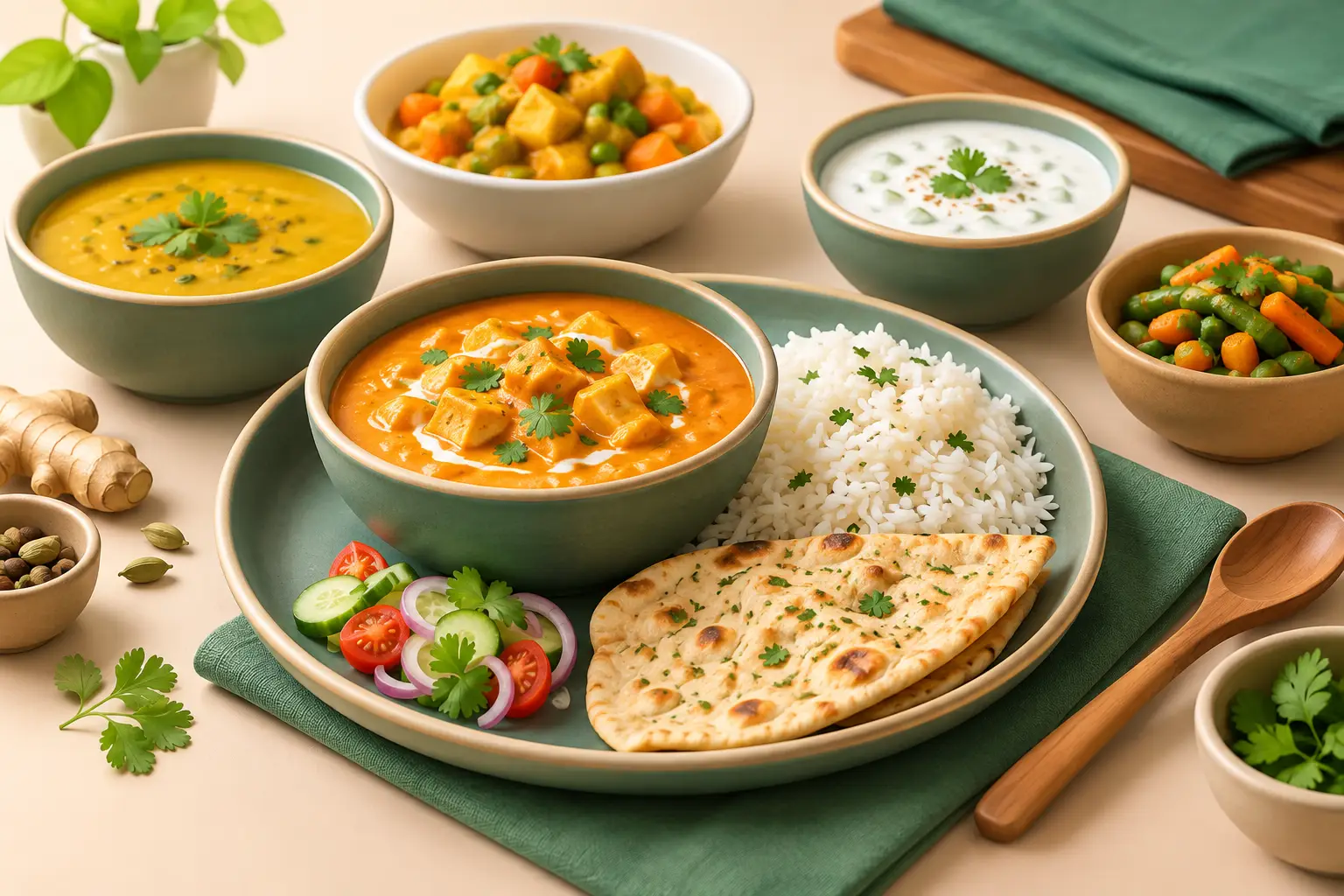
A curry can look richly familiar yet reveal very little from its color alone. To identify authentic curry ingredients, look beyond a bright sauce or a long menu description and pay attention to what creates its aroma, body, heat, and balance. The best Indian cooking is not about adding every spice in the cupboard. It is about using the right ingredients with care, at the right moment.
For diners who want a more thoughtful Indian meal, this matters. Freshly prepared food can be full of flavor without being heavy, and a traditional recipe can be adapted for modern dietary preferences without losing its character. The clues are often in the fragrance, texture, and clarity of the dish rather than in how fiery it is.
Authentic Curry Ingredients Start With a Proper Base
There is no single ingredient list for an authentic curry because India’s regional cooking is wonderfully varied. A coconut-based curry from the south, a mustard oil-rich dish from Bengal, and a tomato-forward North Indian curry should not taste alike. Authenticity comes from a recipe making sense on its own terms, with ingredients that belong to its style and are prepared with purpose.
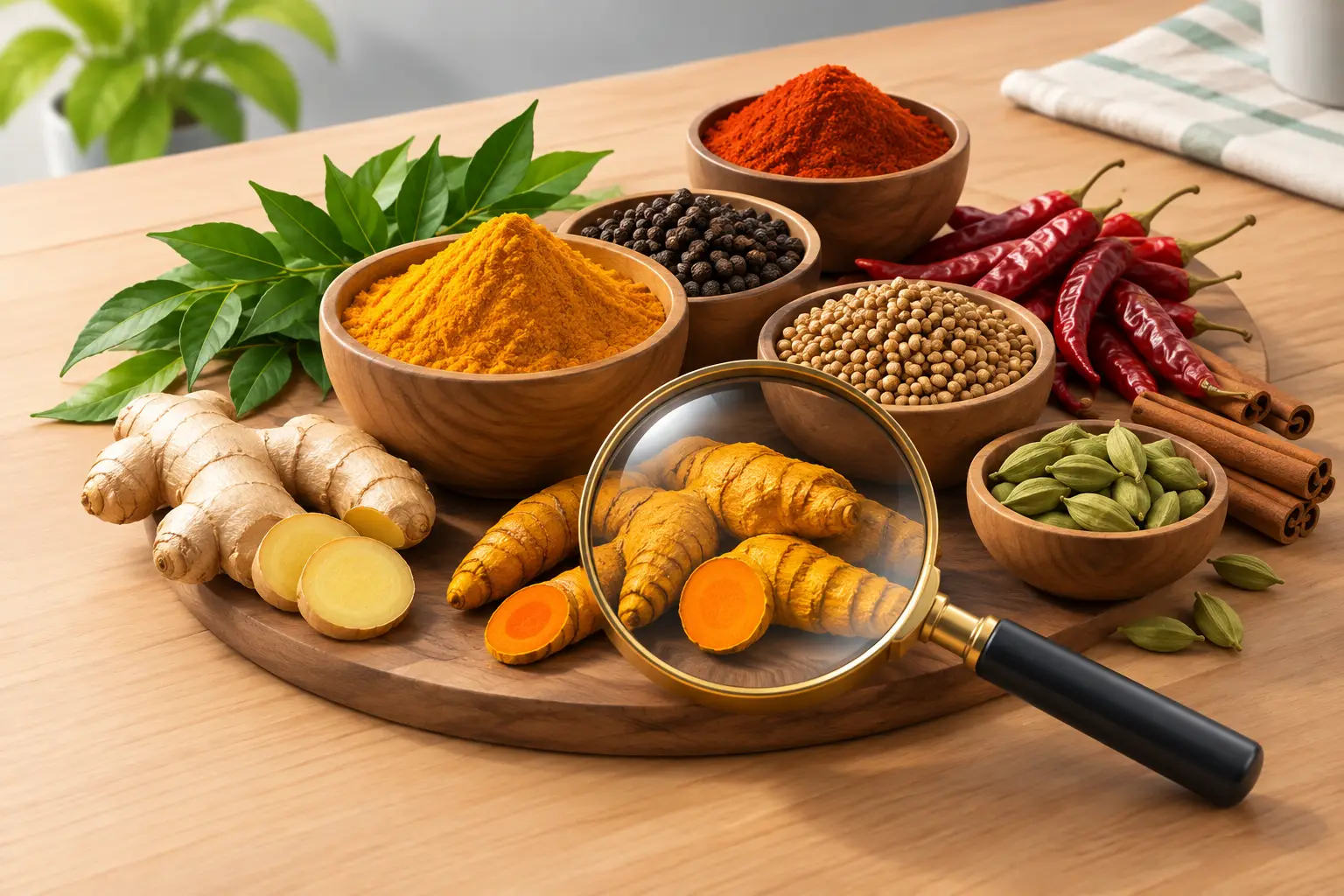
Many curries begin with an aromatic foundation of onion, ginger, garlic, and green chili. These are slowly cooked to remove harshness and build sweetness and depth. In some dishes, whole spices such as cumin seeds, bay leaf, cloves, cardamom, cinnamon, or black pepper are warmed in oil first. This process releases their essential oils and gives the dish a layered fragrance before any sauce is added.
A good base should not taste of raw onion or sharp, uncooked garlic. Nor should it feel like a thick coating designed to hide the main ingredient. Whether the finished dish is smooth, rustic, creamy, or light, the sauce should carry flavor cleanly.
The Fat Should Carry Flavor, Not Weight
Ghee, mustard oil, coconut oil, and neutral vegetable oils all have a place in Indian cooking. The choice depends on the dish and the region. Ghee lends a nutty warmth to many North Indian preparations, while coconut oil can bring a distinct southern character. Mustard oil has an assertive, peppery quality that suits particular eastern Indian recipes.
The presence of oil is not automatically a sign of authenticity, and less oil does not make a dish less traditional. What matters is restraint and technique. When spices are bloomed correctly and onions are cooked patiently, a curry can taste generous without leaving a greasy film on the palate.
How to Identify Authentic Curry Ingredients by Aroma
Before the first bite, pause over the steam. Fresh spices smell vivid but balanced. You may notice earthy cumin, citrusy coriander, floral cardamom, warming cinnamon, or the deep savoriness of toasted fenugreek. They should arrive in layers rather than as one blunt hit of generic heat.
Ground spice blends are central to many Indian recipes, but they are not interchangeable. Garam masala, for example, varies by household and region. It is often added toward the end of cooking for fragrance, rather than used as the sole seasoning from start to finish. A curry that smells only of powdered spice may have been rushed, while one with a rounded aroma is more likely to have been built in stages.
Fresh cilantro is another useful signal, especially when it is added just before serving. Its bright, green aroma lifts richer ingredients and brings contrast to tomatoes, lentils, grilled meats, and creamy sauces. Used well, it tastes fresh rather than decorative.
Freshness Shows Up in Texture and Color
Authentic ingredients do not mean every curry must be rustic or visibly chunky. A refined makhani-style sauce may be smooth, while a homestyle lentil curry may keep the texture of its onions, tomatoes, and spices. In both cases, freshness is easier to recognize by the clarity of the ingredients than by a fixed appearance.
Tomatoes should bring natural tang and sweetness, not a sugary, overly red taste. Yogurt should provide gentle acidity and tenderness in marinades, while cream or cashew paste should round out a sauce rather than turn it cloying. Coconut milk should taste softly rich and fragrant, not like a shortcut to thickness.
Watch for vegetables that retain some color and character. Spinach should taste earthy and green, not dull or watery. Chickpeas and lentils should be tender but intact. Paneer should be soft and milky, with enough structure to hold in a curry. These details tell you that the dish was cooked to order or handled with attention, rather than left to sit for too long.
Whole Spices Matter, but So Does Balance
Seeing a cardamom pod, clove, or cumin seed in your curry can be encouraging, but it is not proof by itself. Whole spices need to be used thoughtfully. Too many can make a dish bitter, woody, or difficult to eat. The goal is fragrance, not a scavenger hunt through the sauce.
Likewise, authentic heat should have flavor. Fresh green chilies can taste grassy and sharp; dried red chilies tend to offer deeper warmth; black pepper has a dry, lingering bite. Chili powder alone can make food hot, but a well-made curry gives heat a supporting role. You should still be able to taste the lentils, vegetables, chicken, lamb, seafood, or paneer at the center of the dish.
Know the Difference Between Creamy and Heavy
A common misconception is that authentic Indian food must be rich, buttery, and intensely creamy. Some celebrated dishes are indulgent by design, especially those made for feasts or special occasions. Yet India’s everyday cooking also includes bright vegetable dishes, tangy dals, lightly spiced grilled foods, and broths with remarkable depth.
A creamy curry can be beautifully balanced when dairy, cashews, almonds, or coconut are used in proportion. The issue is not cream itself. It is whether the richness has acidity, spice, and freshness to keep it lively. A squeeze of lemon, a spoonful of yogurt, tomato, tamarind, or a final shower of herbs can make the difference between comfort and heaviness.
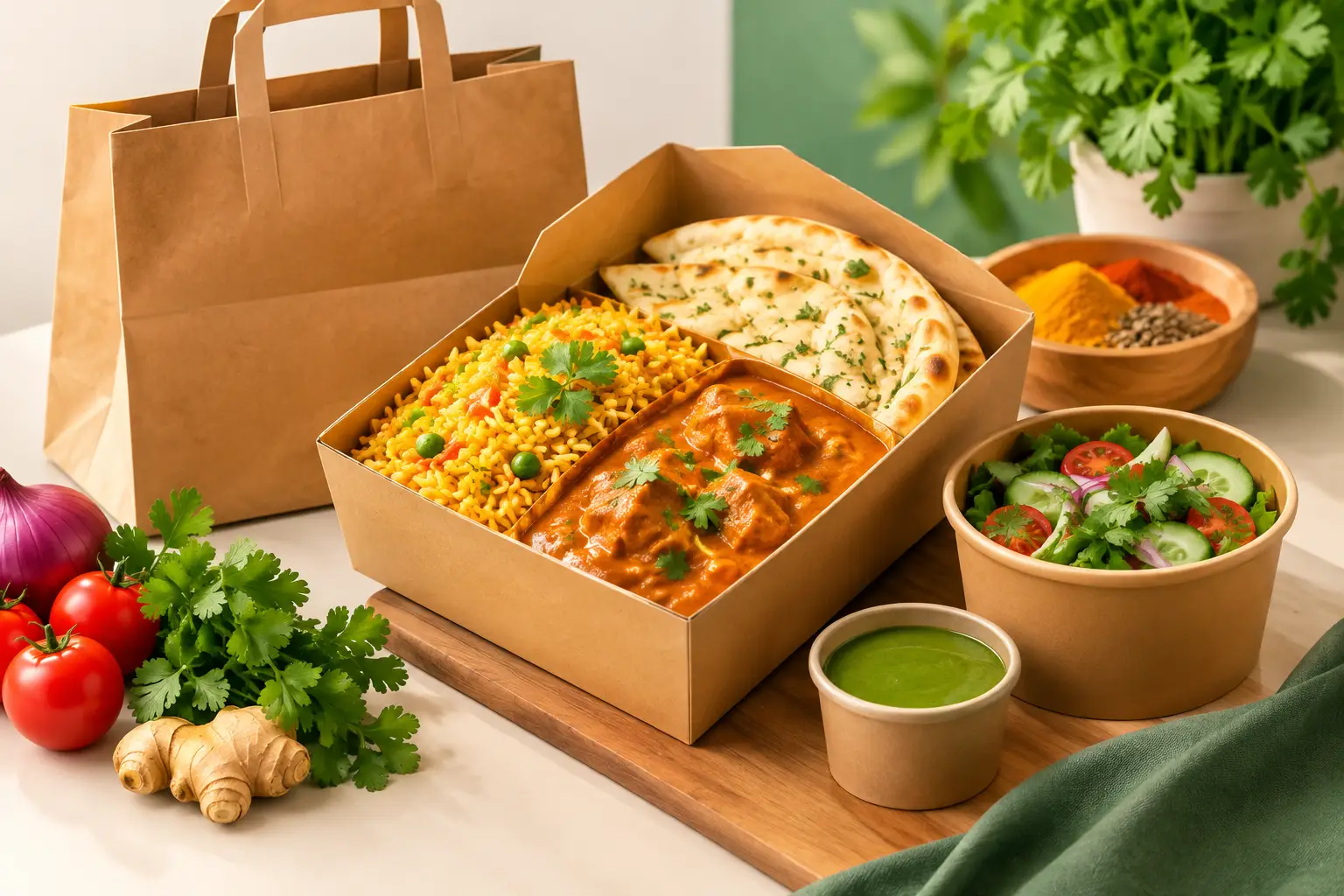
This is especially useful when choosing a takeaway meal. Pairing a richer curry with a fresh salad, tandoori-cooked protein, or a lentil dish can create a more satisfying table than ordering several sauces with the same heavy profile. Authentic Indian dining has always made room for contrast.
Ingredient Names Can Offer Helpful Clues
Menu language is not a perfect test, but specific ingredients usually tell a clearer story than vague labels. Look for descriptions that explain the dish’s character: roasted cumin, fresh ginger, tomato, fenugreek, coconut, tamarind, black pepper, mustard seeds, or slow-cooked lentils. These names suggest that the recipe has a particular direction.
Be cautious of the idea that one spice blend defines all Indian cooking. Curry powder is useful in some kitchens, particularly in British cooking traditions, but it is not a universal Indian ingredient. Indian chefs often create flavor through individual spices and blends tailored to the dish. That is why two curries with similar colors can taste completely different.
Dietary choices also deserve a closer look. Vegan, vegetarian, and gluten-free dishes can be deeply traditional, but the recipe should still be treated with care. Chana masala, dal, vegetable curries, and many tandoori preparations can naturally suit different diets. The strongest versions do not rely on substitutions alone. They build satisfying flavor from vegetables, legumes, spices, herbs, and proper seasoning.
Ask What Was Made Fresh
If you are dining out or ordering locally, a simple question can be more revealing than a long ingredient list: what is made fresh? Fresh marinades, hand-prepared sauces, cooked-to-order vegetables, and spices added at key stages all improve a curry’s flavor and texture.
At Cilantro London, the aim is to honor those traditional flavor foundations while serving Indian food in a fresher, more balanced style. That may mean a dish feels lighter than an old-fashioned takeaway favorite, but it should never mean it tastes flat. Good cooking still needs warmth from spices, brightness from herbs and acidity, and the comforting depth that brings people back.
The next time a curry arrives at your table, trust your senses. Look for a sauce with purpose, inhale the layered spices, and notice whether each ingredient still has a voice. That is often the most delicious way to recognize care, tradition, and real flavor.