A great curry night usually goes wrong in one of two ways: too many dishes with the same flavor profile, or too little planning until everyone is hungry and waiting on rice. If you are wondering how to plan curry night in a way that feels generous, relaxed, and genuinely delicious, the answer is not making more. It is choosing better.
The best curry nights have contrast. You want something rich, something fresh, something to scoop, and something that suits the people around your table. That matters whether you are hosting two friends for a casual Friday dinner or feeding family after a long week. Curry night should feel abundant, but it should never feel heavy, chaotic, or overcomplicated.
How to plan curry night without overdoing it
Start with the number of people, then work backward from appetite and occasion. A weeknight curry night for four needs a different approach than a birthday dinner for eight. If guests are arriving after work, keep the menu tighter and the serving style easy. If the evening is more social and leisurely, you can stretch the meal with starters, drinks, and a dessert.
For most groups, two mains and a few well-chosen sides are enough. Three mains can work for six or more people, but only if they are clearly different. A creamy, mildly spiced curry next to a tomato-based dish and a dry grilled item gives people real variety. Three similar gravies, even if they use different proteins, tend to blur together.
This is where restraint helps. A thoughtful curry night feels polished. Guests notice when each dish has a place on the table instead of competing for attention.
Build your menu around balance
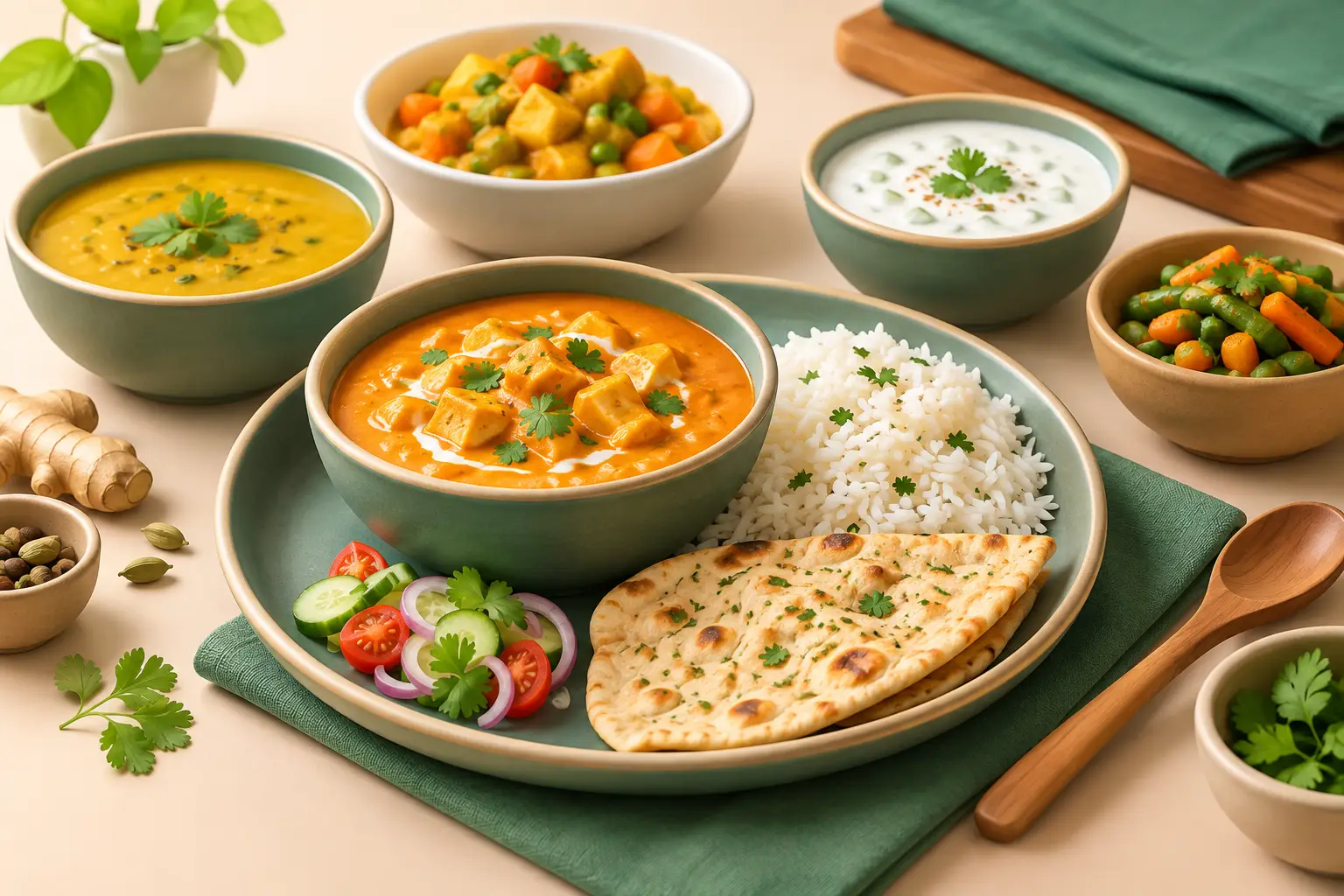
The easiest way to create balance is to think in textures and spice levels, not just in names of dishes. A satisfying spread usually includes one comforting centerpiece, one lighter or brighter option, a rice dish or bread, and one or two fresh sides.
If you are serving a buttery or creamy curry, pair it with something cleaner and more aromatic. A tandoori chicken, a dry sautéed vegetable dish, or a crisp salad with cucumber and onion can stop the meal from feeling too rich. If your main dishes are both bold and spicy, include something cooling like raita.
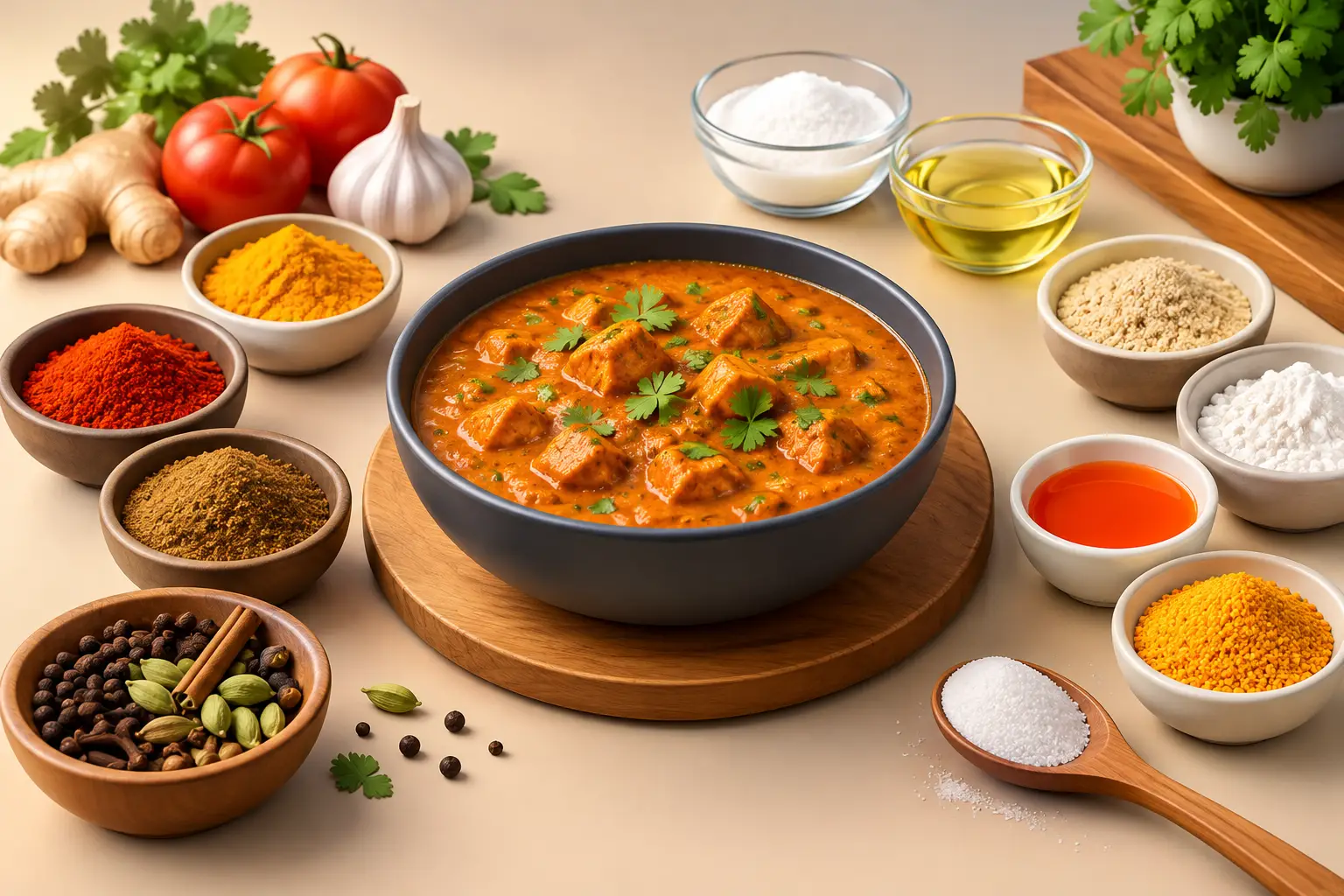
A good menu might include a chicken tikka masala or korma for comfort, a lentil dish or saag for earthiness, basmati rice, warm naan, and a fresh salad. For a group that prefers deeper heat, a vindaloo or jalfrezi works better when balanced by milder sides rather than another fiery curry.
The goal is not to show range for its own sake. It is to make every plate feel complete.
Think about dietary needs early
The fastest way to make a host look unprepared is to ask about dietary restrictions after the food arrives. Curry night is one of the easiest meals to make inclusive, but only if you plan ahead.
Vegetarian and vegan guests usually have excellent options, from chickpea curries to dal and vegetable biryani. Gluten-free diners can often enjoy many curries and rice dishes, though breads and some sauces may need attention. Guests who prefer lighter meals may choose grilled or tandoori dishes over richer cream-based curries.
If your group has mixed preferences, choose dishes that naturally broaden the table. A hearty lentil dish, one chicken or lamb curry, rice, and a vegetable side often covers more people than a protein-heavy menu. Variety should feel considered, not like an afterthought.
Choose the right level of heat
Spice is personal. One person says medium and means gentle warmth. Another says medium and expects sweat at the forehead. That is why the smartest curry nights build in flexibility.
If you know your guests well, tailor the menu to them. If you do not, keep the mains mostly mild to medium and offer extra heat on the side. Chopped chilies, a spicy pickle, or a hotter secondary dish gives people control without making the whole meal risky.
This approach also lets the flavors come through more clearly. Heat should support the dish, not flatten it. A well-made curry has depth from spices, aromatics, and slow cooking, not just raw fire.
Don’t make every dish heavy
This is where many home hosts get stuck. Curry night sounds cozy, so people load the table with creamy sauces, fried appetizers, and too much bread. It feels indulgent at first and exhausting by the end.
A better approach is to keep at least one part of the menu fresh and one part lighter. That might mean grilled kebabs instead of fried starters, a crisp kachumber salad instead of extra naan, or a bright chutney to lift richer dishes. Modern Indian dining works beautifully when you let freshness share the table with comfort.
That balance is one reason many local diners in Putney and nearby neighborhoods now look for Indian food that feels authentic without the usual heaviness. You can create that same feeling at home by editing the menu with a lighter hand.
Timing matters more than complexity
If you want curry night to feel calm, set your cooking and serving order before anyone arrives. Rice can rest covered for a short while. Many curries hold well on low heat. Breads are best warmed close to serving. Cold sides should be finished early and chilled.
The practical question is not what is hardest to cook. It is what creates the most last-minute stress. Usually that is not the curry itself. It is reheating multiple dishes, managing oven space, and realizing too late that no one has set the table.
If you are cooking from scratch, choose at least one dish that improves after sitting. Dal, many tomato-based curries, and braised meat dishes often taste better after the flavors settle. Save the final-minute effort for simple finishing touches like herbs, yogurt, or warming naan.
If you are ordering in, timing still matters. Order with a clear head, not when everyone is already hungry. Check that you have enough rice, enough bread for sharing, and one side that adds freshness. A reliable restaurant-quality takeaway can make curry night feel far more polished than a rushed attempt to cook five dishes at once.
Set the table for sharing
Curry night works best when it feels communal. Serve dishes in the center if you can, with space for guests to build their own plates. That encourages people to try more and settle into the meal rather than treating it like a formal plated dinner.
You do not need elaborate styling. Warm serving bowls, serving spoons that are easy to reach, water on the table, and plenty of napkins go a long way. If you are hosting a casual group, label spicier dishes or mention what is vegetarian so guests can help themselves comfortably.
The atmosphere matters too. Curry night should feel inviting, not staged. Good lighting, a clear table, and food served hot will do more than any decorative flourish.
What to serve with curry night
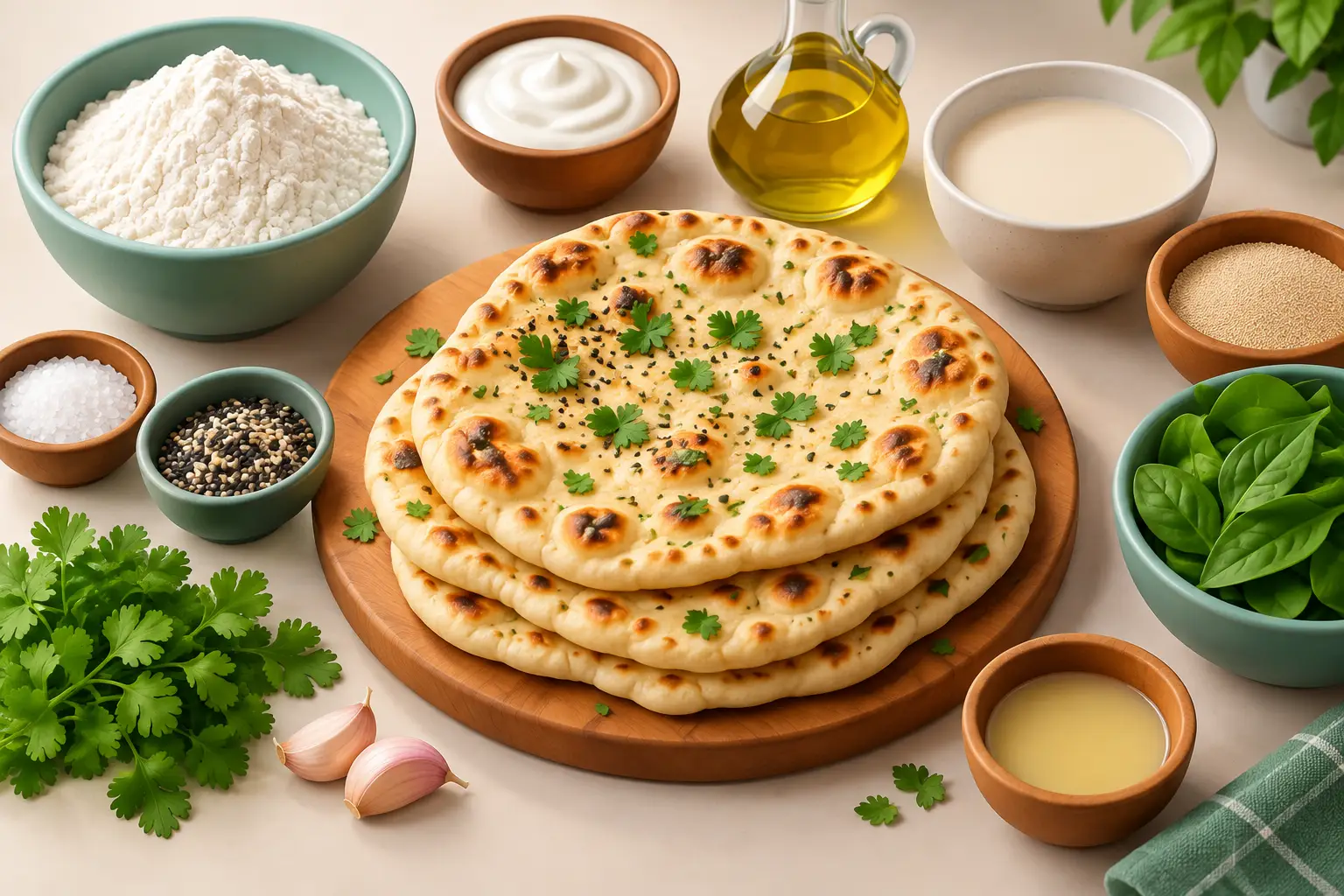
Rice and naan are the obvious essentials, but they are not always enough by themselves. Think about what each one does. Rice carries sauce and settles spice. Naan adds comfort and texture. A side dish should either refresh the palate or add contrast.
That is why cucumber raita, onion salad, or a bright chutney often earn their place more than a second starch. If the menu leans rich, skip extra fried snacks. If the menu is lighter and built around grilled dishes, then a samosa or pakora can make sense as a starter.
Dessert depends on the tone of the evening. For a relaxed family meal, you may not need one. For guests, something simple and cool after spice works well. Keep portions modest. The best curry nights end satisfied, not weighed down.
When ordering makes more sense than cooking
There is no prize for making everything yourself if it leaves you too distracted to enjoy your own dinner. Some hosts love cooking the full spread. Others would rather focus on guests and bring in dishes that deliver consistency, freshness, and proper depth of flavor.
That is especially true for larger groups, mixed dietary needs, or weeknights when time is short. Ordering from a trusted local restaurant can give you a more balanced menu with less stress, particularly if you want dishes like biryani, tandoori items, vegan options, and lighter curries all in one order. Cilantro London, for example, is built around that more refined style of Indian dining – authentic flavors, thoughtful preparation, and options that suit both comfort seekers and guests who prefer a fresher, less greasy meal.
The smartest choice is the one that protects the mood of the evening. Curry night is about hospitality as much as cooking.
A simple rule for how to plan curry night well
If you remember one thing, make it this: choose fewer dishes, with more contrast. One rich curry, one lighter option, one starch, one cooling or fresh side, and a clear plan for timing will beat an overcrowded table every time.
People rarely remember that you served seven things. They remember that the food arrived hot, everyone found something they loved, and the evening felt easy from start to finish. That is what makes curry night worth repeating.