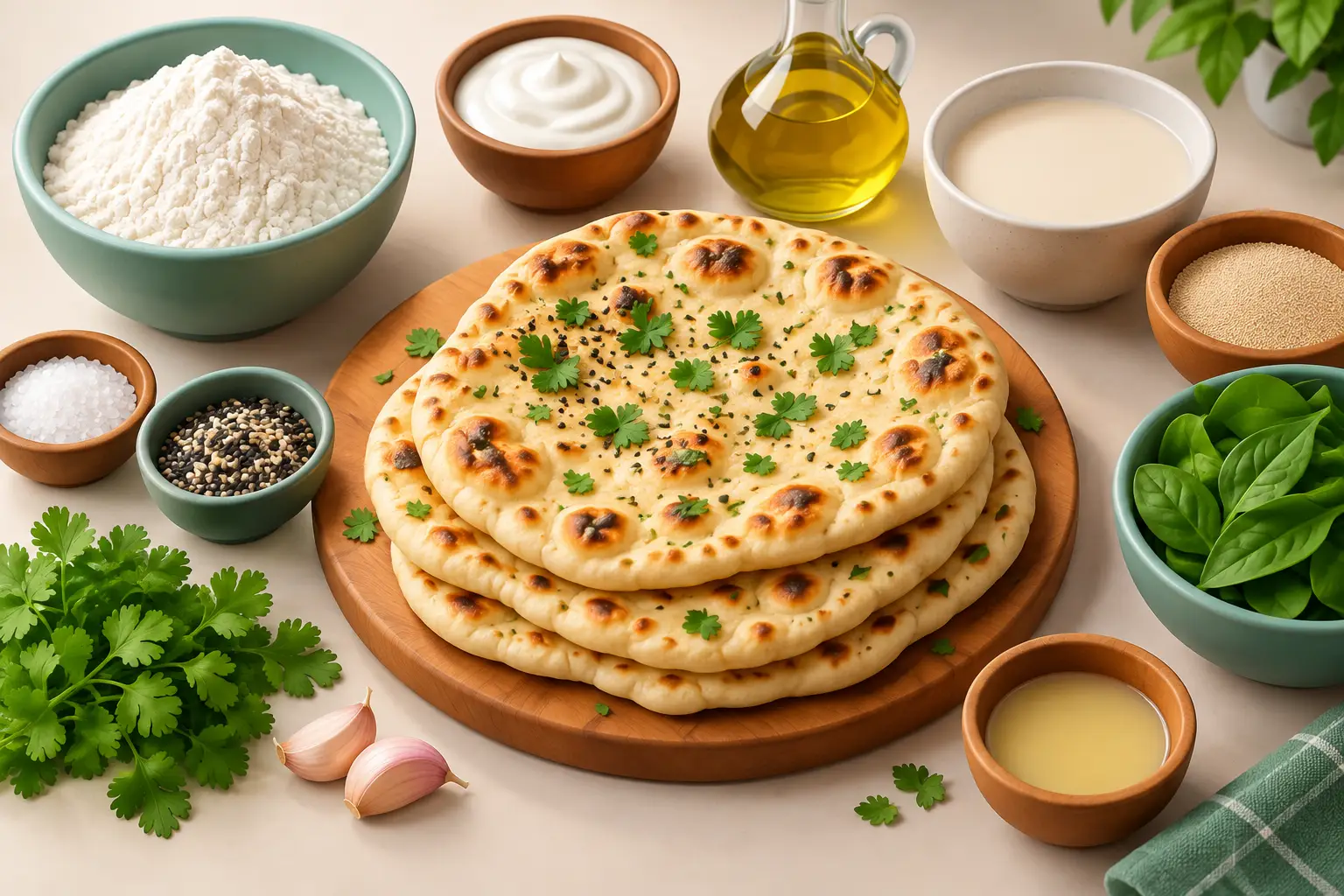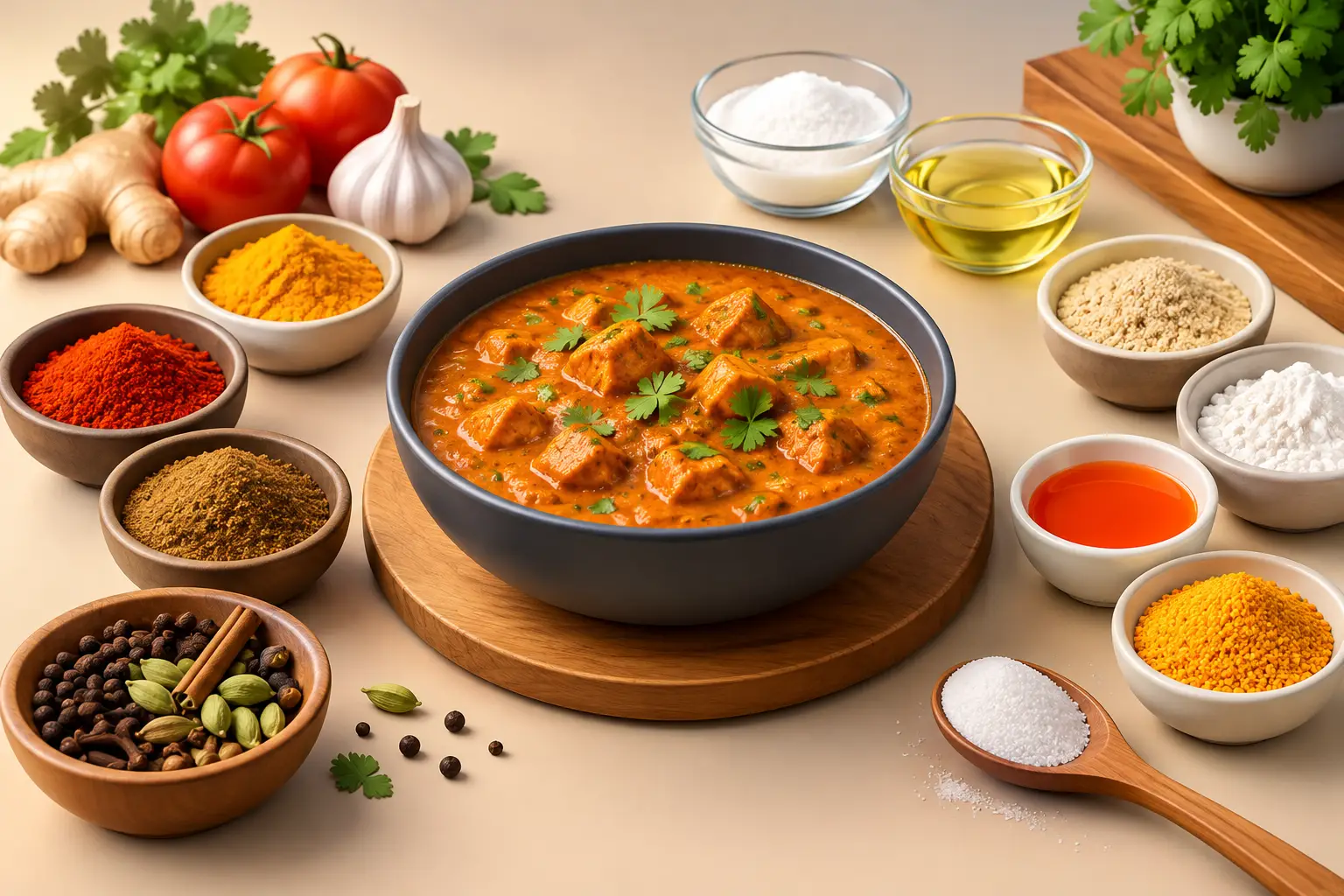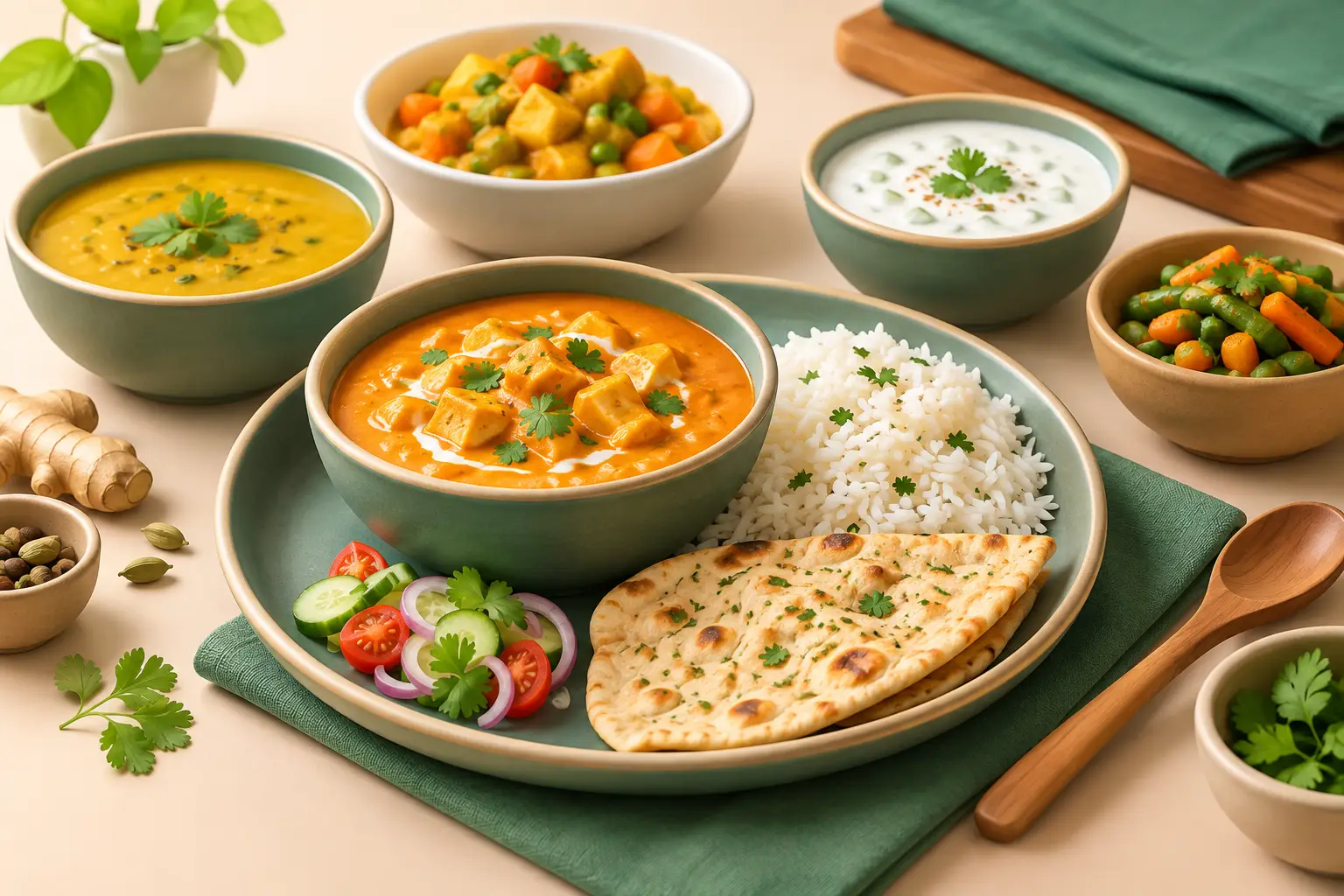
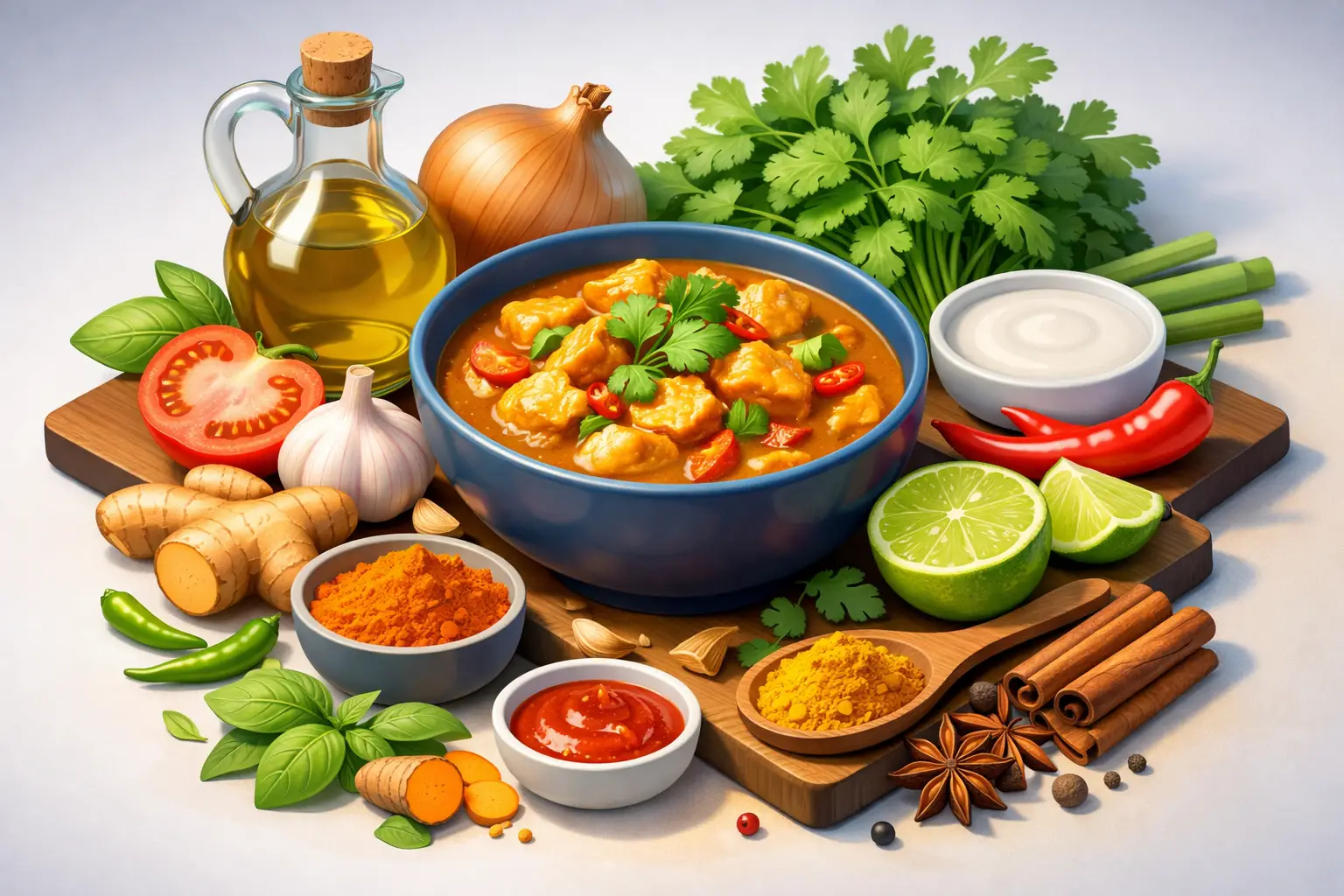
A curry can look rich and deeply colored, yet still taste flat. Often, the difference is not more oil, extra heat, or a longer list of spices. It is the condition of the ingredients going into the pan. Understanding how fresh ingredients improve curry explains why one meal feels vibrant and balanced while another feels heavy, dull, or overly reliant on salt.
For a restaurant-quality curry, freshness is not a decorative finishing touch. It shapes the flavor from the first onion cooked to the last sprinkle of herbs. It also supports the lighter, more satisfying style of Indian food many diners want: generous in flavor, carefully prepared, and comfortable to enjoy for lunch, dinner, or a relaxed meal at home.
How fresh ingredients improve curry from the base up
Every good curry begins with a foundation. Depending on the dish, that may be onions, tomatoes, ginger, garlic, chilies, yogurt, coconut, lentils, or a combination of these. When those ingredients are fresh, they bring their own character to the recipe instead of simply carrying the spices.
Fresh onions have a clean sweetness that develops gradually as they cook. They create body and depth without needing excessive cream or oil. Fresh tomatoes offer acidity, natural sweetness, and a bright red tang that helps balance warming spices such as cumin, coriander, turmeric, and garam masala. Tomatoes that are tired or overly processed can make a sauce taste sharp, sugary, or one-dimensional.
Ginger and garlic are equally telling. Freshly prepared ginger has a lively peppery warmth, while garlic brings a rounded savory aroma. Together, they give a curry its unmistakable lift. Pre-prepared pastes can be useful in a busy kitchen, but they may lose some of that fragrance over time. The result is often a sauce that tastes cooked but not alive.
This is why fresh preparation matters so much in a made-to-order meal. It lets the kitchen adjust seasoning, acidity, and heat around ingredients that still have their full flavor. The spices are there to build complexity, not to hide a weak base.
Freshness makes spices taste clearer, not louder
Indian cooking is sometimes mistaken for food that is simply hot or heavily spiced. A well-made curry is more precise than that. It balances warm, earthy, tangy, fragrant, and savory notes so that no single element overwhelms the plate.
Fresh ingredients give the spices room to be recognized. A fresh tomato base can make coriander feel citrusy. Fresh cilantro can draw out the floral edge of cumin. A squeeze of lemon at the right moment can sharpen a creamy sauce and make chili heat feel cleaner rather than more aggressive.
The timing matters. Whole spices such as cumin seeds, cardamom, cloves, or cinnamon need heat to release their oils. Ground spices need to be cooked carefully so they lose their raw taste without burning. Fresh aromatics usually follow, adding moisture and fragrance that carry those spices through the sauce.
There is a trade-off here. Fresh ingredients contain water, and too much water can thin a curry or slow down browning. Skilled cooking accounts for this by giving onions time to soften properly, reducing tomatoes until their flavor concentrates, and adding delicate herbs near the end. Freshness does not mean rushing. It means using ingredients at their best and cooking them with attention.
The final fresh notes matter most
Some ingredients should not spend long in the pan. Fresh cilantro, mint, green chilies, lemon, and julienned ginger can change the entire impression of a finished curry. Added too early, they lose their aroma. Added at the end, they provide contrast against the slow-cooked sauce.
That contrast is one reason a curry can feel satisfying without feeling overly rich. A slow-simmered sauce offers warmth and depth, while a fresh herb or bright squeeze of citrus keeps each bite alert. It is a small detail with a major effect.
Better texture, better balance, better comfort
Freshness affects texture as much as flavor. Crisp vegetables retain a little bite rather than collapsing into the sauce. Fresh spinach wilts gently and keeps its color. Paneer stays soft and milky when handled carefully. Chicken, lamb, or seafood benefits from cooking that respects the ingredient rather than masking it under a thick, heavy gravy.
This is particularly valuable for diners who love Indian food but want a lighter experience than the traditional takeaway stereotype. A curry does not need to be greasy to be comforting. It can be silky from slowly cooked onions, creamy from yogurt or nuts where appropriate, and full-bodied from a properly reduced sauce.
Fresh vegetables also make vegetarian and vegan curries feel complete rather than like an afterthought. A dish built around fresh eggplant, chickpeas, spinach, cauliflower, mushrooms, or seasonal vegetables can have distinct layers of flavor and texture. The key is to cook each ingredient according to its needs. Cauliflower may need roasting or high heat for caramelization, while spinach needs only a brief cook to preserve its tender character.
The same principle applies to gluten-free dining. Naturally gluten-free ingredients such as vegetables, legumes, rice, yogurt, and spices can create abundant flavor without relying on flour-thickened sauces. Of course, anyone with an allergy or celiac disease should always discuss their dietary needs directly with the restaurant, as preparation methods and cross-contact considerations vary.
Fresh ingredients support a more thoughtful curry
Using fresh ingredients is not a promise that every curry is low-calorie or that rich dishes have no place at the table. Butter chicken, korma, and slow-cooked lamb dishes are loved for a reason: they offer indulgence, celebration, and deep comfort. The better question is whether richness is balanced.
Fresh tomatoes can offset cream. Fresh ginger can lighten a buttery sauce. Fresh herbs can bring lift to a slow-cooked meat curry. These elements do not take away from traditional recipes. They allow the flavors that make those recipes special to come through with more clarity.
Freshness can also encourage more careful sourcing and less waste, though the practical reality depends on the ingredient and the season. Some pantry staples, including dried lentils, rice, and whole spices, are essential to Indian cooking and often improve with proper storage rather than daily purchasing. The goal is not to reject every preserved ingredient. It is to use fresh produce and aromatics where their brightness genuinely improves the dish, while respecting the dry goods and traditional techniques that provide structure.
What to notice when ordering curry
When you are choosing Indian food for a weeknight dinner, a family meal, or a gathering with friends, look beyond the menu description. The most memorable curries tend to have a few signs of thoughtful preparation: a sauce that tastes layered rather than oily, vegetables with character, heat that builds without dominating, and a finish that feels fragrant rather than heavy.
At Cilantro London, that approach means honoring authentic recipes while preparing food with a modern sense of balance. For diners in Putney, Roehampton, Barnes, Richmond, and nearby neighborhoods, it is a way to enjoy the familiarity of a favorite curry with the confidence that care has gone into every stage of the dish.
Fresh ingredients do not make every curry taste the same. They make each curry taste more like itself. A bright tomato-led masala, an earthy spinach curry, a fragrant biryani, and a smoky tandoori dish all benefit differently from careful preparation. The next time you order, pay attention to that first aromatic spoonful and the clean finish after the spice. That is where freshness earns its place.