Looking at a long Indian menu should feel exciting, not like a quiz. This guide to Indian menu sections is here to make ordering simpler, whether you are choosing a quick weeknight dinner, planning a relaxed meal out, or trying to balance comfort with something a little lighter.
Indian food menus often look busy because they reflect a big culinary tradition, not because they are complicated for the sake of it. Different cooking methods, regions, spice profiles, and serving styles all shape how dishes are grouped. Once you know what each section is trying to tell you, it becomes much easier to order with confidence and build a meal that suits your appetite.
Why Indian menus are organized this way
A well-written Indian menu is not just a list of dishes. It usually separates food by how it is cooked, when it is eaten, or how it is served with the rest of the meal. That matters because a tandoori dish offers a very different experience from a slow-cooked curry, even if both use similar spices.
This is also where people sometimes misread the menu. They assume every dish is a version of the same thing with a different sauce. In reality, the menu sections often reveal the kitchen’s strengths. If one section focuses on grilled meats, another on biryani, and another on vegetarian classics, each represents a distinct style of preparation.
Guide to Indian menu sections: where to start
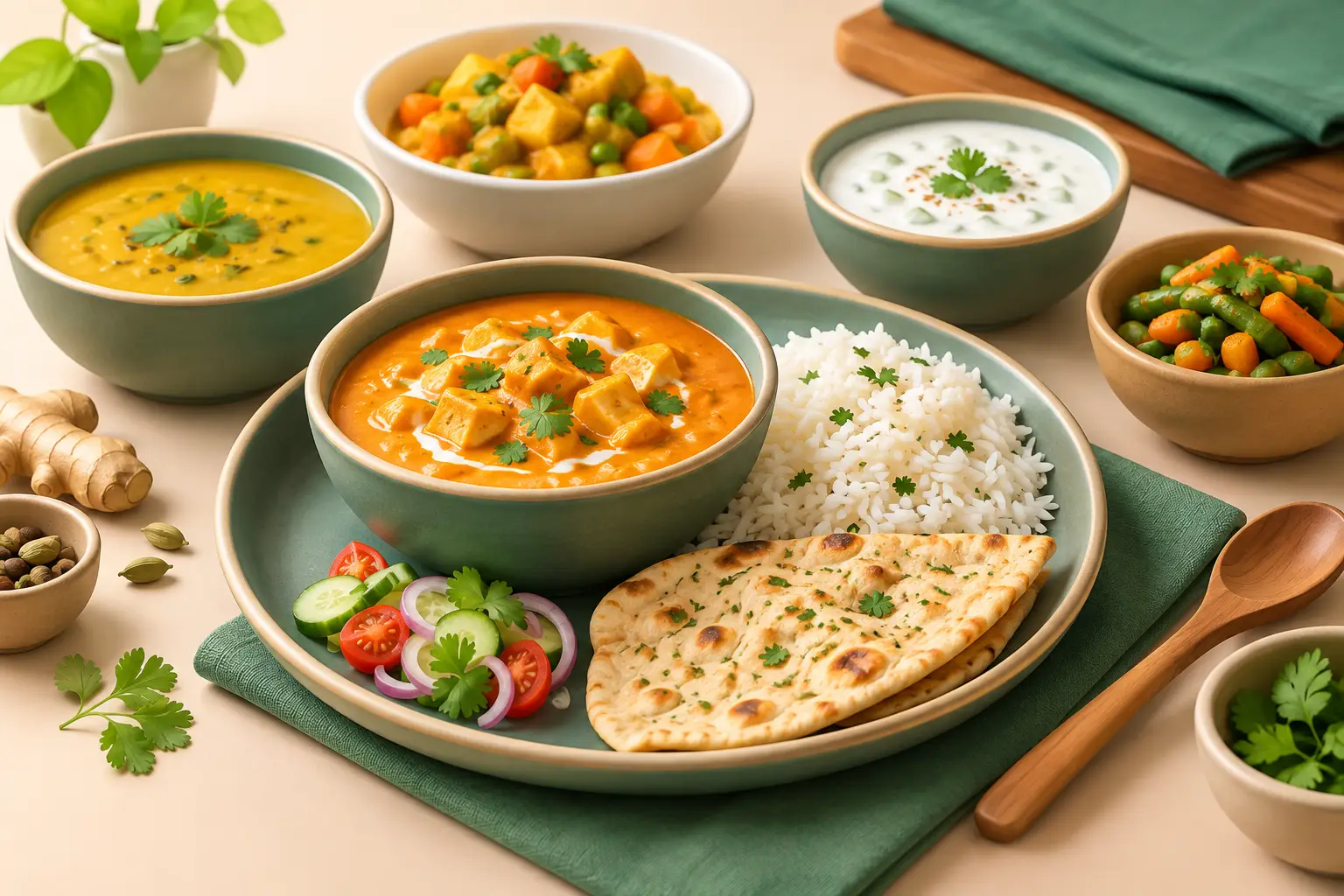
If you are ordering for the table, start by thinking in layers. A balanced Indian meal usually has something crisp or grilled to begin, a main with sauce or depth, a rice dish or bread to support it, and a side or condiment to bring contrast.
That does not mean you need to order from every section. If you want a lighter dinner, a starter and a tandoori main may be enough. If you are feeding a family or sharing with friends, moving across a few sections gives you more variety in texture and flavor.
Starters and appetizers
This section is usually your first clue to the kitchen’s style. You may see samosas, onion bhaji, kebabs, chaat, or small grilled dishes. Some are fried and comforting, while others are bright, tangy, and herb-forward.
Starters are not only about appetite. They set the tone. A chaat brings crunch, yogurt, tamarind, and spice in quick bursts. A kebab is more savory and smoky. If you are trying to avoid a heavy meal, this section is worth reading carefully because not all starters are rich. Some are surprisingly fresh and restrained.
Tandoori dishes
Tandoori is one of the most useful menu sections to understand. These dishes are typically marinated and cooked in a very hot clay oven, which gives them char, depth, and a cleaner finish than creamier mains. You might see chicken tikka, lamb chops, seekh kebabs, or paneer prepared this way.
For diners who want full flavor without too much richness, this section is often the safest bet. The trade-off is that tandoori dishes are drier than saucy curries, so they are best paired with bread, salad, or a cooling side if you want a fuller plate.
Curries and house specials
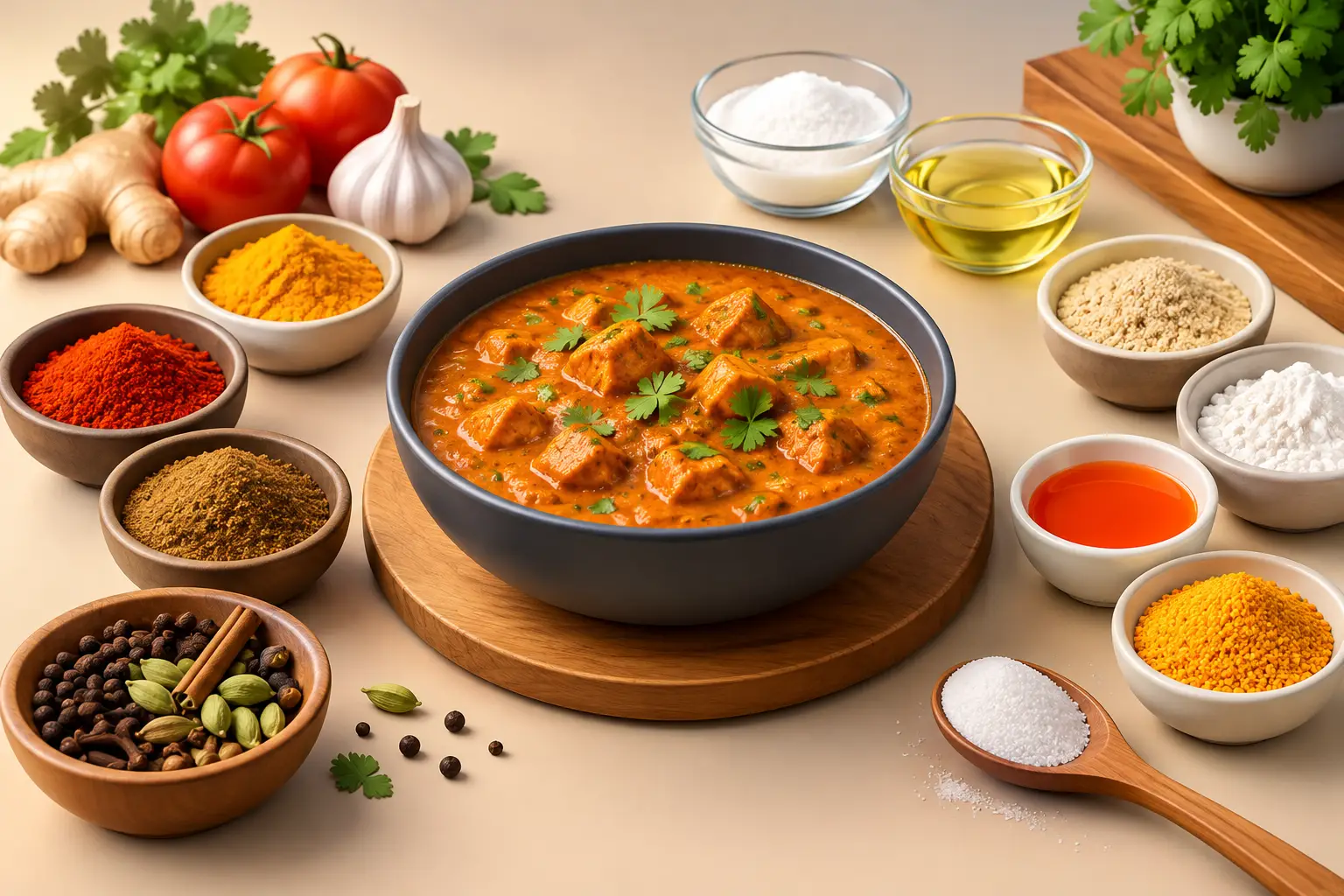
This is where many people go first, but it helps to slow down. The curry section can include a wide range of bases and textures, from tomato-led and buttery to onion-rich, earthy, or coconut-based. Some menus separate standard curries from chef’s specials, while others mix them together.
The key is not to choose by name alone. Think about what kind of finish you want. A korma is milder and richer. A jalfrezi tends to be brighter and more peppery. A madras usually has more heat and tang. A rogan-style dish may feel deeper and more aromatic. Names matter, but so does the restaurant’s interpretation.
House specials deserve extra attention because they often reflect recipes the kitchen wants to be known for. If a restaurant takes pride in fresh, made-to-order food, this section can be where that care shows most clearly.
Vegetarian and vegan dishes
Indian menus are often especially strong here. This is not a token section added for dietary reasons. Many Indian classics were built around vegetables, lentils, chickpeas, and paneer long before plant-based dining became a trend.
Expect dishes like dal, chana masala, saag, aloo gobi, or paneer-based curries. Vegan diners should still check for ghee, cream, or yogurt, but the variety is usually excellent. For anyone who wants a more balanced meal, this section can also work well alongside one grilled or meat-based main rather than as an all-or-nothing choice.
Biryani and rice dishes
Biryani deserves to be treated as a category of its own, not just a side note near plain rice. It is a layered rice dish cooked with meat, seafood, or vegetables and fragrant spices, often designed to be a complete meal. Good biryani is aromatic and structured, not greasy or overly wet.
This section is ideal if you want something self-contained. The only thing to keep in mind is that biryani can be deceptively filling. If you are also ordering curries, one biryani to share is often enough unless everyone arrives hungry.
Other rice dishes may include pilau rice, lemon rice, or simple steamed basmati. These are there to support saucier mains and help balance spice.
Bread and naan
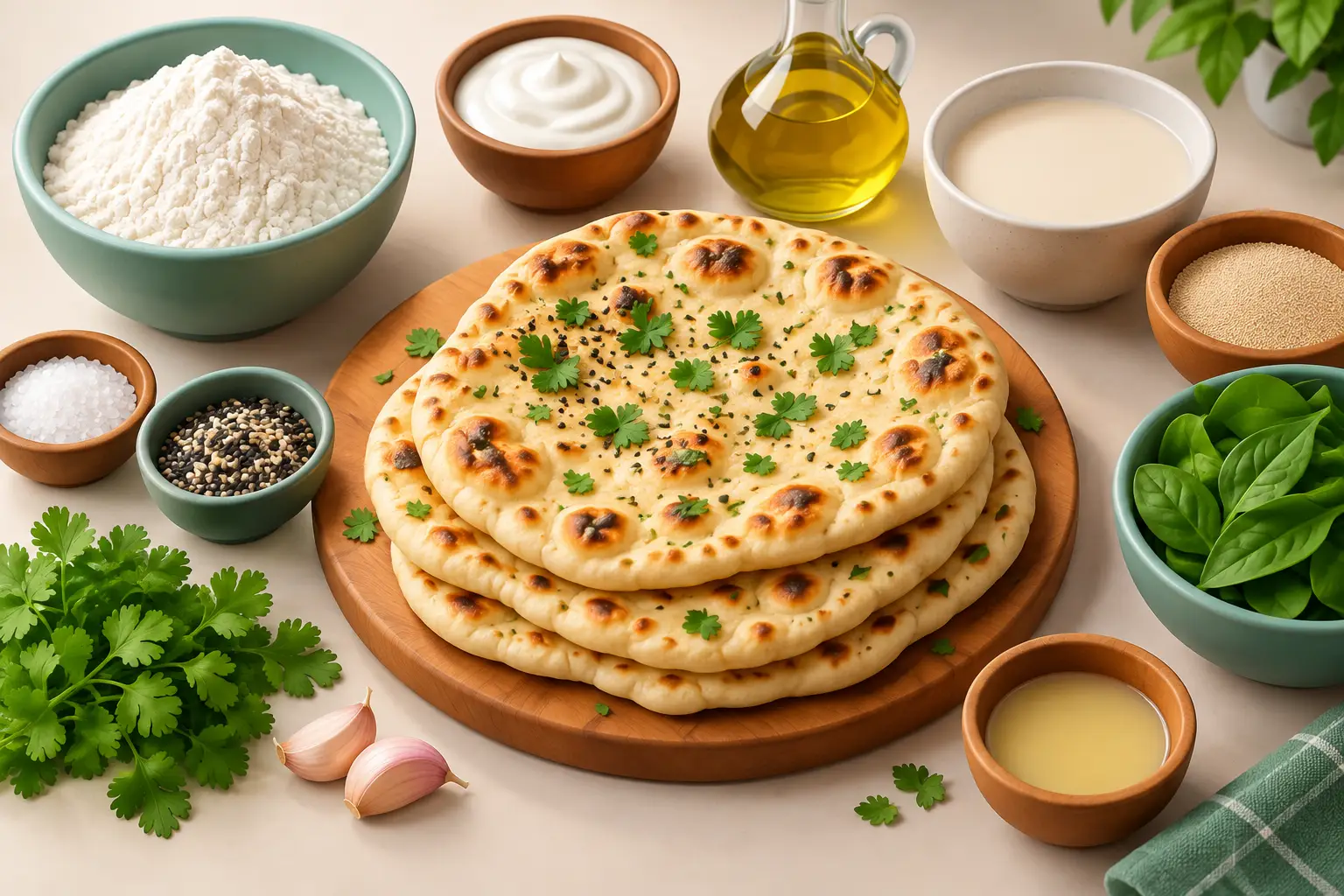
Bread sections are easy to underestimate. Naan, roti, paratha, and stuffed breads all do different jobs on the table. A soft naan is great with rich curries. A whole wheat roti feels lighter. A flaky paratha brings more indulgence.
Garlic naan is popular for good reason, but it can dominate subtler dishes. If you are ordering a delicately spiced curry or grilled fish, a plain naan or roti may let the main dish speak more clearly.
Sides, chutneys, and cooling extras
This section often gets ignored until the meal arrives and someone realizes it needed one more thing. Raita, chutneys, pickles, lentils, or a simple vegetable side can make the meal feel complete.
These additions are not filler. They manage contrast. A yogurt-based side cools spice. Pickles sharpen rich dishes. A dry vegetable side adds texture next to a soft curry and rice. If your order feels one-note, this is usually the section that fixes it.
Desserts and drinks
Not every meal needs dessert, but Indian dessert sections often offer a very different finish from the rest of the menu. Gulab jamun, kulfi, or kheer tend to be sweet, fragrant, and comforting rather than sharp or citrusy.
Drinks matter too. A mango lassi can soften heat, while sparkling water or a crisp beer keeps the meal lighter. It depends on whether you want contrast, refreshment, or a more traditional pairing.
How to use this guide to Indian menu sections when ordering
The simplest approach is to choose one anchor and build around it. Your anchor might be a curry, a biryani, or a tandoori dish. Once you have that, add pieces that bring balance rather than repeating the same texture.
If your anchor is a rich curry, pair it with plain rice, a lighter bread, and maybe one grilled starter. If your anchor is tandoori chicken or paneer, adding dal or a vegetable dish gives the meal more comfort and depth. If you are ordering for a group, try not to choose three mains that all sit in similar creamy sauces. Variety makes the meal feel more generous.
This is especially true if you are ordering takeout. Some dishes travel better than others. Saucy curries and biryanis usually hold heat well, while crisp fried starters are best eaten quickly. Grilled items can still travel well, but they benefit from sides that keep the plate from feeling dry by the time it arrives.
For diners who care about freshness and a more polished feel, the menu section can also hint at how heavy the meal will be. Tandoori dishes, lentil-based mains, and vegetable curries often offer a lighter route without losing depth. At a place like Cilantro London, where the cooking leans toward balanced, made-to-order Indian food, that distinction becomes especially useful.
A few menu terms that cause confusion
People often assume tikka means spicy, when it actually refers more to pieces that are marinated and cooked, often in the tandoor. Masala can mean a spiced sauce, but the exact style varies. Saag points to leafy greens, often spinach. Dal means lentils, though the texture and seasoning can differ widely.
Then there is heat. A menu label gives you a clue, not a guarantee. One kitchen’s medium may feel lively and fresh, while another’s medium leans quite hot. If spice matters to you, ask for guidance and order accordingly.
Knowing the menu is less about memorizing every dish and more about understanding what each section promises. Once that clicks, ordering becomes much more relaxed, and much more enjoyable. The best meals usually come from choosing with intention, then leaving room to be pleasantly surprised.