It usually starts with a familiar question at 6:45 p.m. You want Indian food, but not the heavy, forgettable kind that leaves you feeling overfull. What you really want is flavor, comfort, and a meal that suits the evening ahead. That is exactly where the delivery vs dine in Indian decision becomes more interesting than it sounds.
Some nights call for a table, proper service, and the full experience of freshly plated curries and tandoori dishes arriving straight from the kitchen. Other nights are built for staying in, opening the front door to a warm bag of dinner, and settling onto the sofa with something fragrant, balanced, and made to order. Neither option is automatically better. The right choice depends on what kind of evening you want, how you like your food to arrive, and how much the setting matters to you.
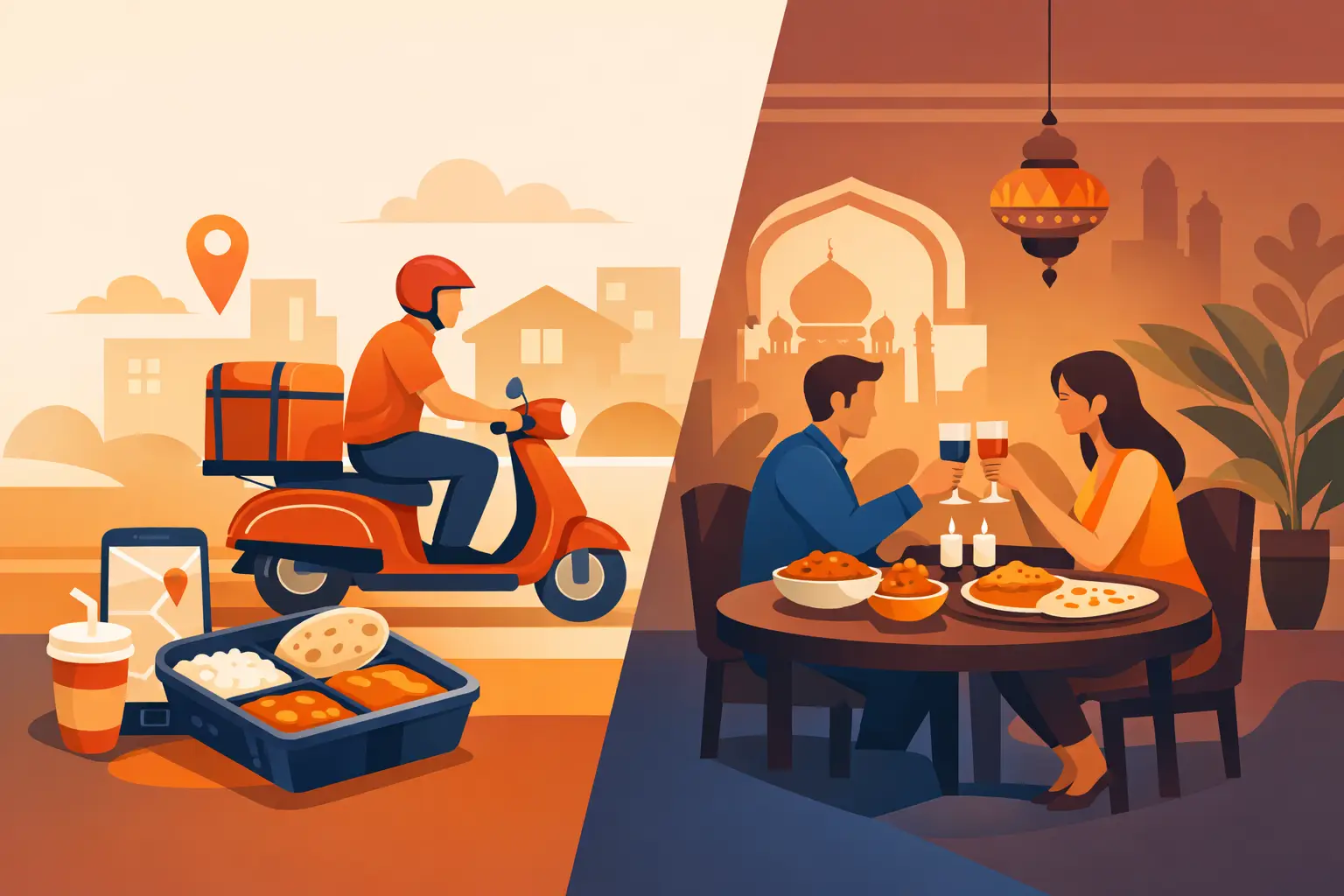
Delivery vs dine in Indian: what changes the experience?
The biggest difference is not just location. It is how the meal feels from start to finish.
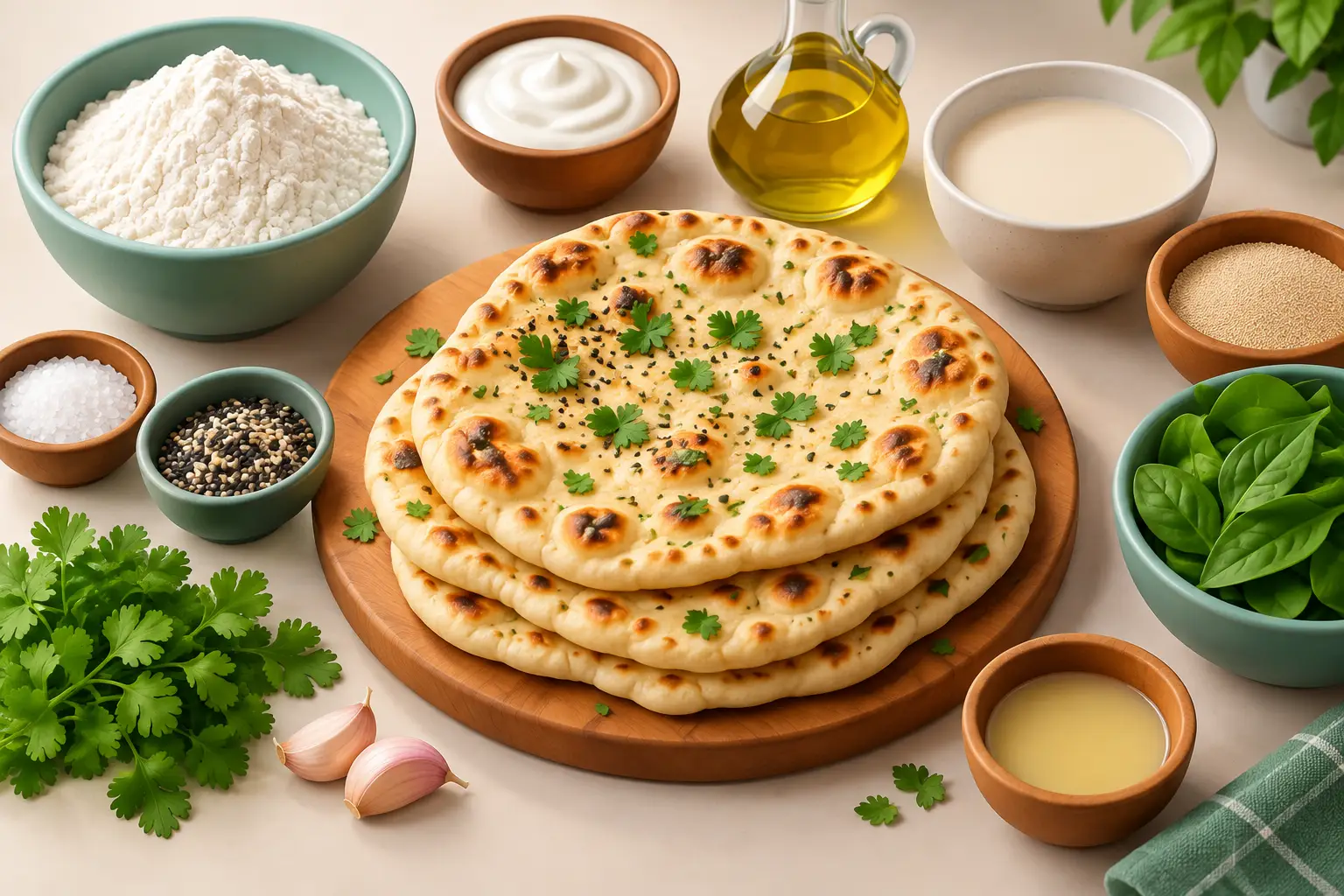
Dining in turns dinner into an occasion, even when the occasion is simply a midweek catch-up or a relaxed date night. The room sets the pace. Food arrives in courses. You notice more of the details, from the aroma of a tandoori starter as it lands at the table to the texture of fresh naan served at the right moment. There is a certain ease to staying present with the meal instead of juggling reheating, plating, or deciding which container to open first.
Delivery, on the other hand, wins on freedom. You can eat on your own schedule, wear what you like, and turn a quiet night at home into something far more satisfying than cooking from scratch after a long day. For families, busy professionals, and anyone trying to coordinate multiple appetites under one roof, delivery often makes the evening possible in the first place.
What matters is whether the restaurant treats both formats with equal care. Indian food travels beautifully when it is prepared properly, packed thoughtfully, and made with freshness in mind. That is especially true for dishes that hold their character well, such as biryanis, dals, and many curries. But the best dine-in meals still offer an edge in immediacy, especially for sizzling grills, crisp starters, and breads that are at their finest straight from the oven.
When dine-in is the better choice
If the meal itself is part of the plan, dine-in usually gives you more. This is particularly true when you want atmosphere, attentive service, or the pleasure of ordering with a little more spontaneity.
Indian cuisine is layered and social by nature. Sharing starters, comparing curries, adding sides as you go, and lingering over another basket of naan all feel easier at the table. You are not rushing to beat the cooling time of a delivery bag. You can ask for recommendations, adjust spice levels where possible, and build a meal around the moment rather than around convenience.
Dine-in also tends to suit dishes that rely on texture and timing. Tandoori prawns, paneer tikka, and freshly baked breads are hard to beat when eaten minutes after they leave the kitchen. The same goes for lighter, more refined Indian cooking. If a restaurant takes pride in made-to-order preparation, cleaner ingredients, and balanced seasoning, eating in lets you appreciate that attention more clearly.
For couples, small celebrations, or catching up with friends, the value of dining in is not only culinary. It gives the evening shape. You arrive, settle in, and let someone else look after the details. That sense of hospitality is often what turns dinner into something memorable.
When delivery comes out on top
There are plenty of evenings when leaving the house feels like the wrong move. That does not mean settling for less.
Delivery is ideal when comfort and convenience are the priority. Maybe work ran late. Maybe the kids need feeding before anyone has the energy to discuss where to go. Maybe the weather is poor, the group chat cannot agree on a time, or home simply sounds better. In those moments, good Indian delivery can feel like a minor luxury.
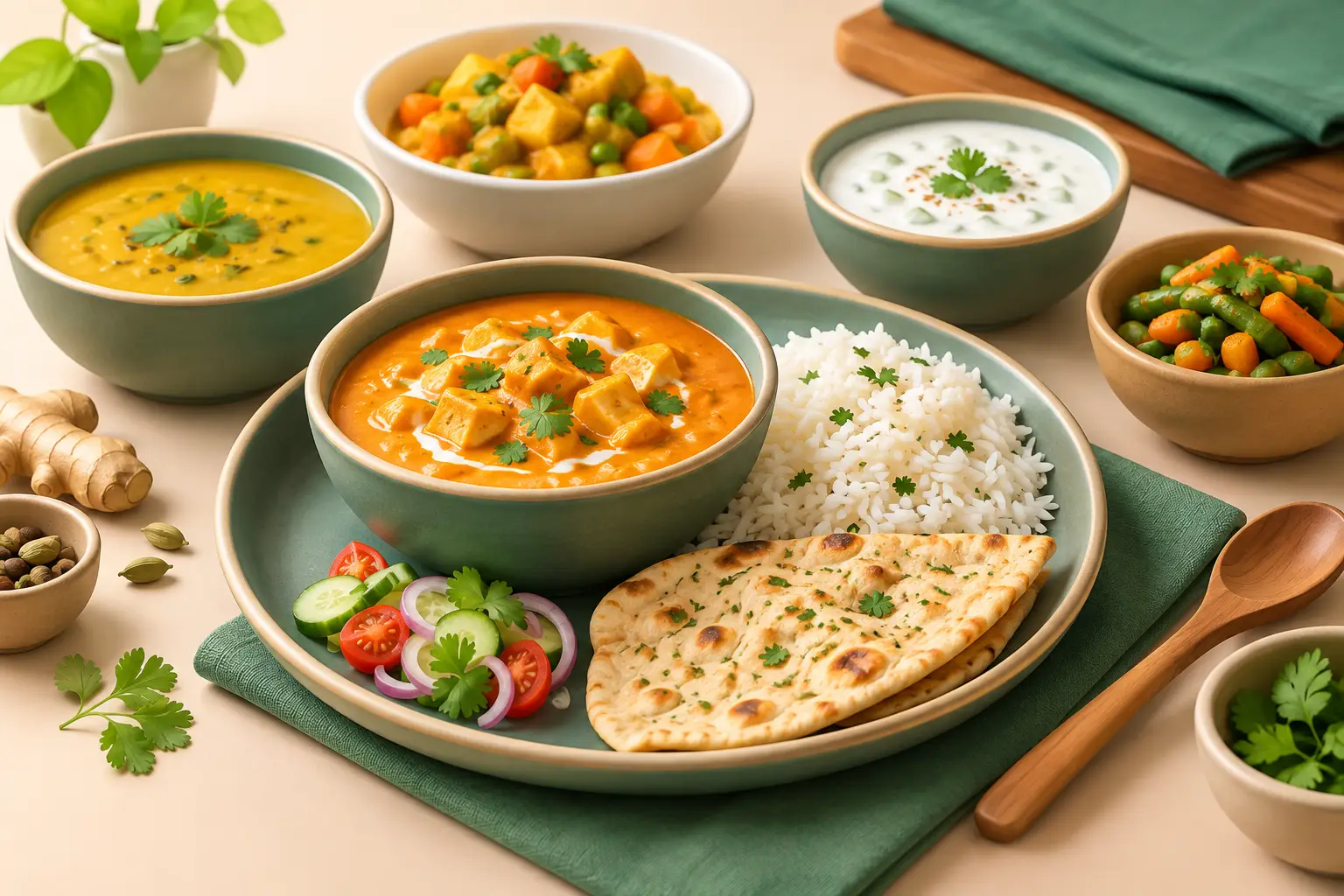
It also works well for households with mixed preferences or dietary needs. One person wants a rich curry, another wants grilled chicken and salad, someone else needs a vegan or gluten-free option. Indian menus often handle that range better than many cuisines, especially when the kitchen is used to cooking with freshness and flexibility.
The trade-off is that delivery asks the restaurant to do more behind the scenes. Packaging matters. Timing matters. Portioning matters. A sauce-heavy dish can arrive beautifully if it is packed well. A grilled dish can disappoint if steam softens what should have stayed charred and bright. The difference is rarely the cuisine itself. It is whether the operation respects delivery as its own dining occasion rather than an afterthought.
Delivery vs dine in Indian for quality, freshness, and value
This is where people often assume dine-in always wins. In reality, it depends on the menu and the standards of the kitchen.
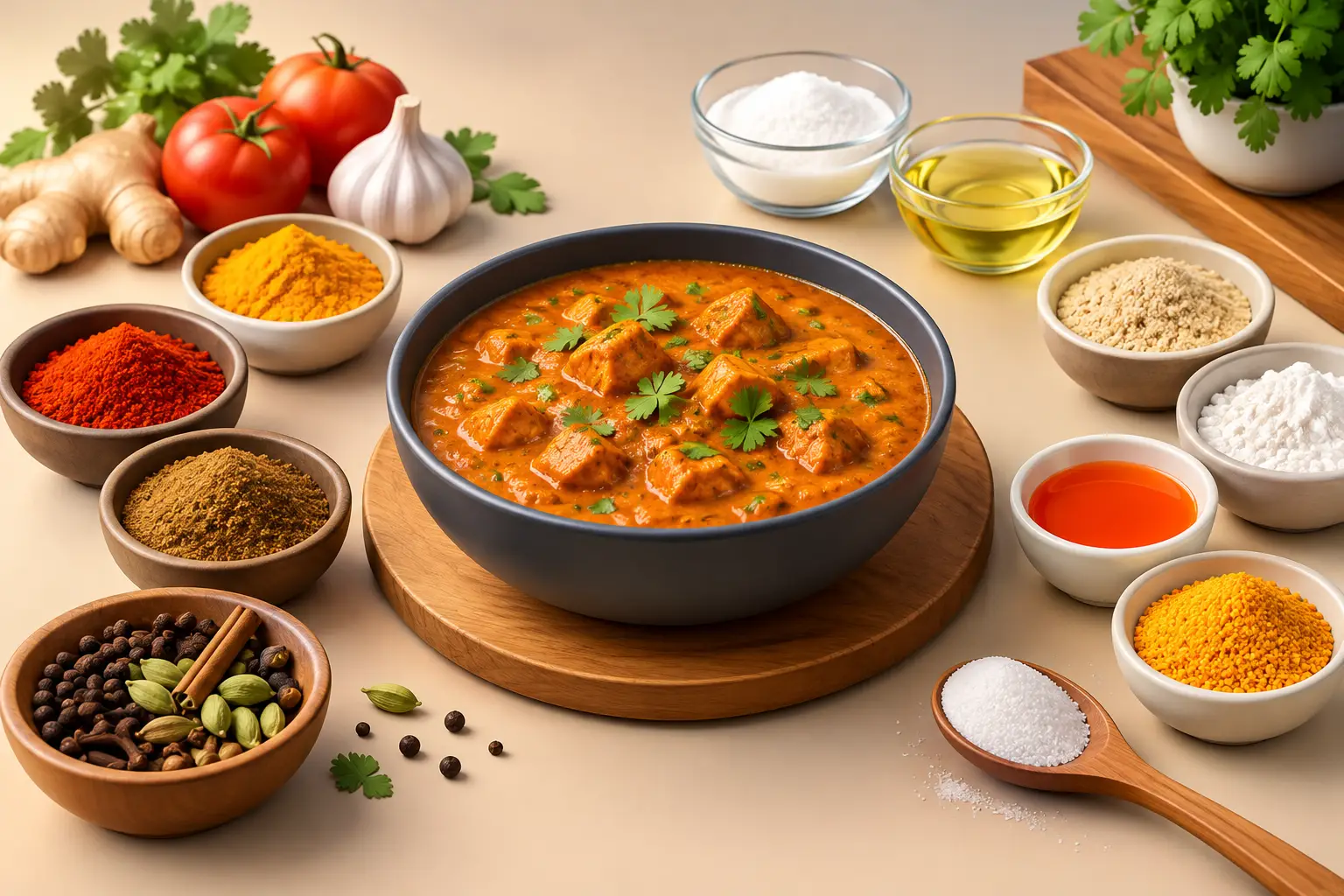
A well-run modern Indian restaurant can make delivery feel impressively close to restaurant quality. Slow-cooked curries often deepen beautifully in transit. Rice dishes hold warmth and aroma well. Dals and vegetable sides can arrive just as satisfying at home as they are at the table. If ingredients are responsibly sourced and dishes are cooked to order, the core quality should still come through.
Where dine-in pulls ahead is in contrast and immediacy. Crispy elements stay crisp. Fresh garnishes stay fresh. Breads do not have to wait. Service also adds value in a way that is easy to overlook. Refills, pacing, menu guidance, and presentation all shape how generous and polished the meal feels.
Value is more personal. Delivery may save you time, travel, and babysitting arrangements. Dine-in may feel more worthwhile when you want the full hospitality experience. If you are choosing purely on price, it is easy to miss the bigger point. The better question is whether the meal matches the evening.
How to choose the right option for your night
Start with the mood. If you want to talk, linger, and enjoy the full atmosphere, book a table. If you want comfort without compromise, order in.
Then think about the food itself. Curries, biryanis, lentil dishes, and many vegetarian mains are excellent delivery choices. Tandoori grills, house breads, and starters with more delicate texture often shine brightest in the restaurant.
It also helps to consider who you are feeding. A quiet dinner for two can work beautifully either way. A family meal at home may be easier through delivery. A celebration, first date, or relaxed evening with friends usually benefits from dining in, where the setting does part of the work for you.
If you are lucky enough to have a local restaurant that takes equal pride in both service styles, the decision becomes less about compromise and more about preference. That is the ideal. You should be able to enjoy authentic Indian food whether you are sitting in a welcoming dining room or eating from your own kitchen table in Putney, Wimbledon, or Richmond.
A restaurant like Cilantro London is built for exactly that kind of flexibility, offering the comfort of delivery alongside a more polished dine-in experience, without losing sight of freshness, balance, or authenticity.
The best Indian meal is the one that fits the moment
The real answer to delivery vs dine in Indian is not a fixed winner. It is about matching the meal to the evening you want to have.
There is a pleasure in stepping out for a beautifully cooked Indian dinner, being welcomed in, and letting the night unfold around the table. There is a different but equally real pleasure in staying home and enjoying the same depth of flavor in your own space, on your own terms. When the food is made with care, both options can feel special.
So if tonight calls for candles, conversation, and freshly baked naan at the table, go out. If it calls for pajamas, a quiet sofa, and a proper curry without the fuss, stay in. The best local restaurants understand that great hospitality should meet you where you are.