A great family curry night meal example is not a table crowded with similar sauces and more food than anyone can finish. It is a thoughtful mix: one comforting crowd-pleaser, one dish with brighter spice, a satisfying vegetarian option, fresh sides, and plenty of rice or bread for sharing. That balance makes dinner feel generous without becoming heavy.
For families, the best curry night is also flexible. Younger diners may want gentler heat, one person may avoid dairy or gluten, and another may be happiest with extra chili. The answer is not to cook separate dinners. It is to choose dishes that work well together, then let everyone build a plate that suits them.
A Family Curry Night Meal Example That Works
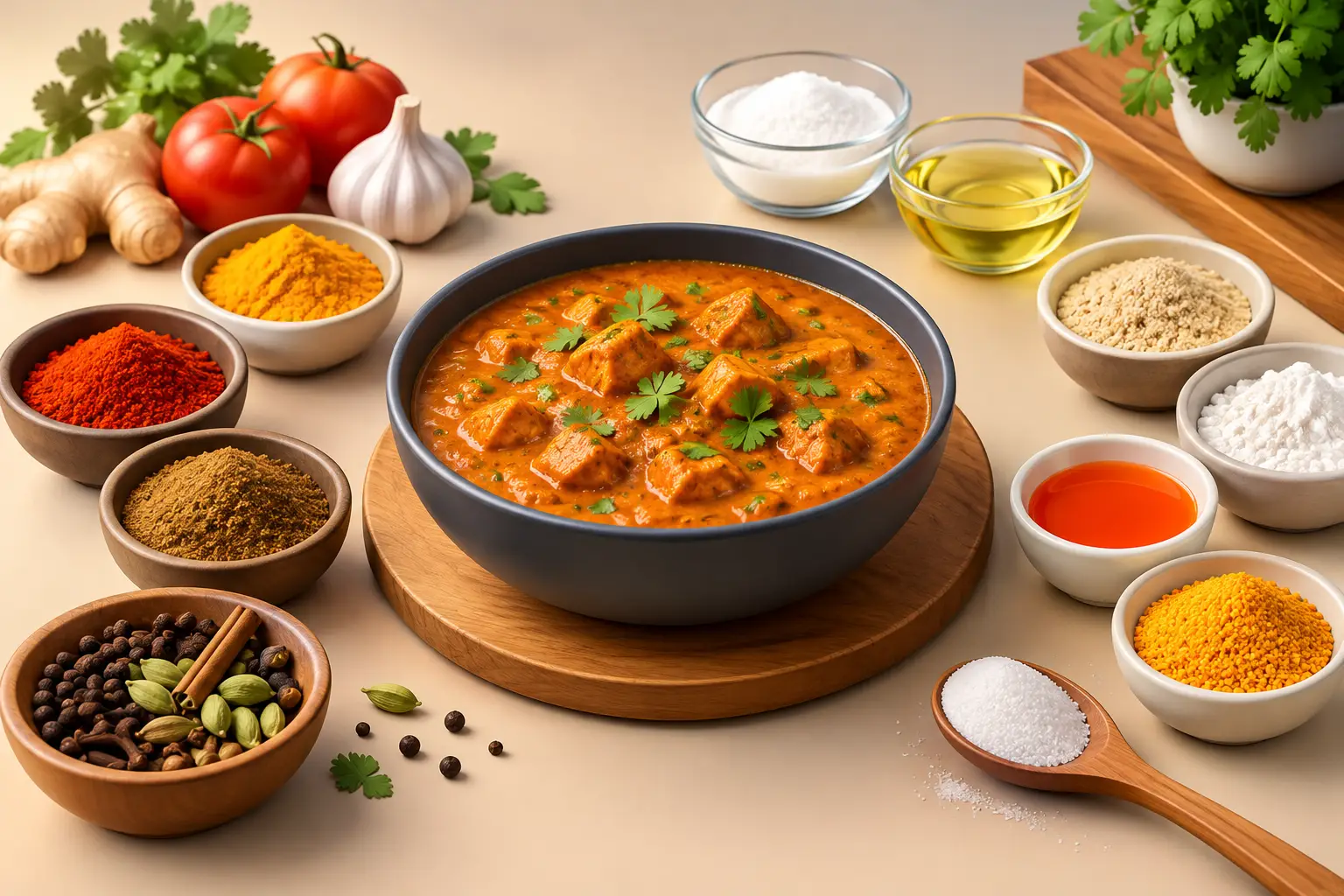
Start with a mild chicken curry as the familiar center of the meal. A chicken tikka masala or a gently spiced butter chicken gives the table a creamy, comforting option without overwhelming heat. The tomato-based sauce, warming spices, and tender grilled chicken make it an easy choice for adults and children alike.
Pair it with a richer, deeper curry for guests who enjoy more spice complexity. Lamb rogan josh is a natural fit, with slow-cooked lamb and a fragrant sauce that brings warmth rather than just heat. If lamb is not everyone’s preference, a chicken jalfrezi can add a livelier note through peppers, onions, and a brighter, more assertive spice profile.
Then include a vegetable-led main with real presence. Dal makhani, chana masala, or a mixed vegetable curry ensures vegetarian guests have more than a side dish to rely on. A well-made lentil or chickpea dish also makes the meal feel more balanced, bringing fiber and earthy flavor alongside the richer curries.
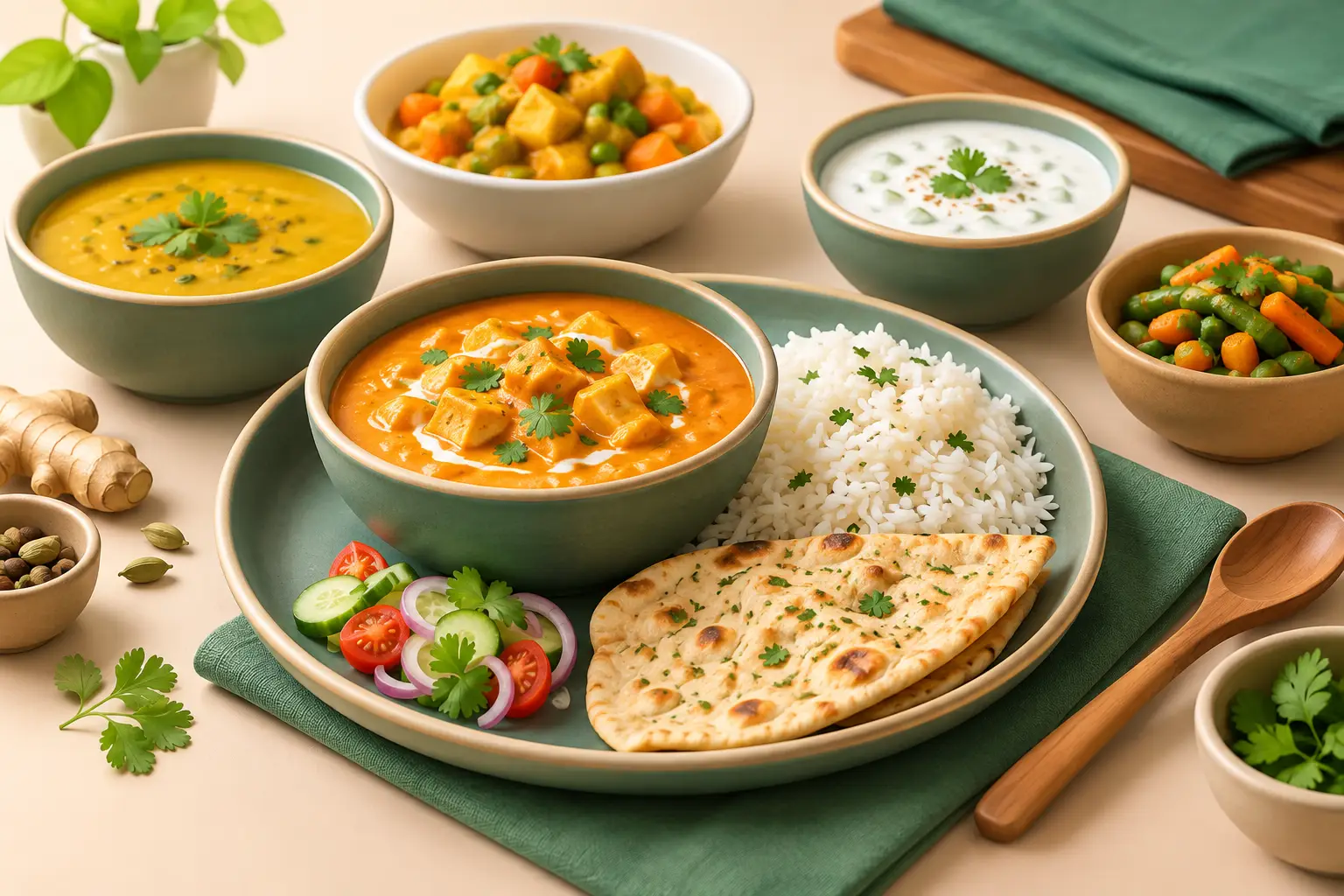
A practical family table for four to six people could include:
- One mild chicken curry
- One lamb or brighter-spiced chicken curry
- One vegetarian curry or lentil dish
- Basmati rice and a basket of naan
- Cucumber raita, a crisp salad, and chutneys
This is enough variety to feel celebratory while keeping the menu easy to order, serve, and enjoy. If you are feeding a larger group, increase the rice, breads, and vegetable dishes before adding a fourth curry. Those additions stretch the meal naturally and give every guest more choice.
Build Contrast, Not Just Quantity
The secret to a memorable curry night is contrast. Two creamy curries can be delicious, but they may begin to taste alike halfway through dinner. Balance a smooth, mild sauce with something tomato-led, smoky from the tandoor, or bright with vegetables and herbs.
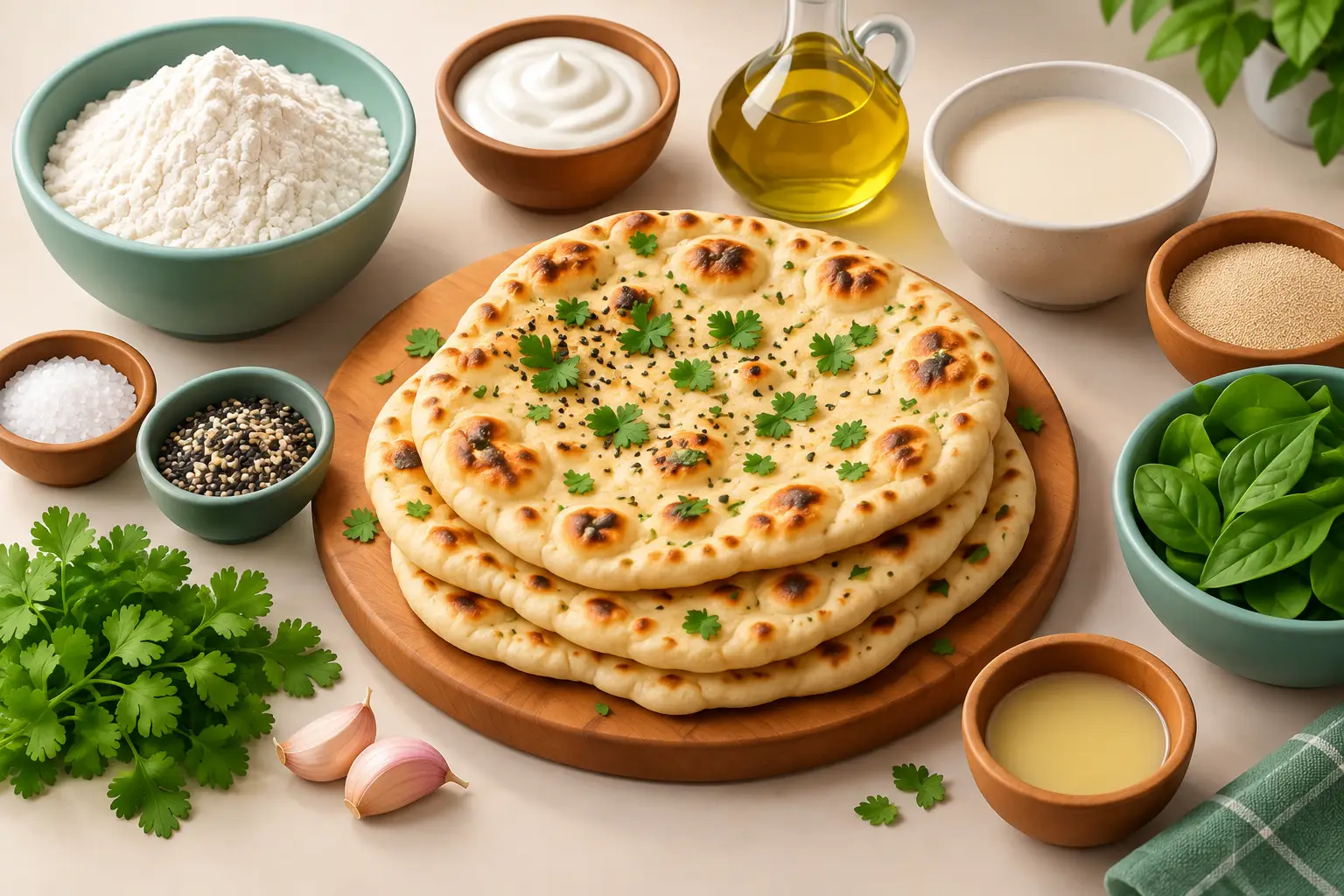
Rice should be the dependable base. Fragrant basmati rice absorbs sauces without competing with them, and it helps portion richer dishes sensibly. Naan adds a more relaxed, hands-on element to the meal. Plain naan is useful for children and milder palates, while garlic naan brings extra flavor for guests who want it. If gluten is a concern, simply lean into rice and confirm which dishes are prepared without gluten-containing ingredients.
Fresh sides deserve just as much attention. Cucumber raita cools the palate and softens heat, especially beside jalfrezi or a more peppery curry. A simple salad of cucumber, tomato, red onion, lemon, and herbs cuts through creamy sauces. Mango chutney offers sweet contrast, while lime pickle is best served in small amounts for those who appreciate its sharp, punchy flavor.
For an even lighter spread, add tandoori chicken, grilled paneer, or a vegetable starter rather than another sauce-based main. Charred edges and aromatic marinades bring a different texture to the table and make the meal feel closer to a restaurant experience.
A menu for mixed ages and appetites
If children are joining, keep the main menu mild and put heat on the side. Fresh chilies, chili flakes, or a spicy pickle let adults increase the intensity without making the whole meal too hot. This approach is more welcoming than assuming every curry must be mild, and it avoids the disappointment of a dish that is either too fiery or too flat.
For a family with varied dietary needs, choose one naturally vegan dish such as chana masala, tarka dal, or a vegetable curry made without cream. A dairy-free guest should not have to make a meal from rice and salad alone. Similarly, a paneer dish can be a satisfying vegetarian option, but it is wise to include lentils or chickpeas too if vegan diners are at the table.
When ordering, ask about preparation for allergies and dietary restrictions. Indian cooking can include dairy, nuts, wheat, and other ingredients that are not always obvious from a dish name. Clear communication makes it easier for everyone to relax and enjoy the occasion.
Make the Meal Feel Special at Home
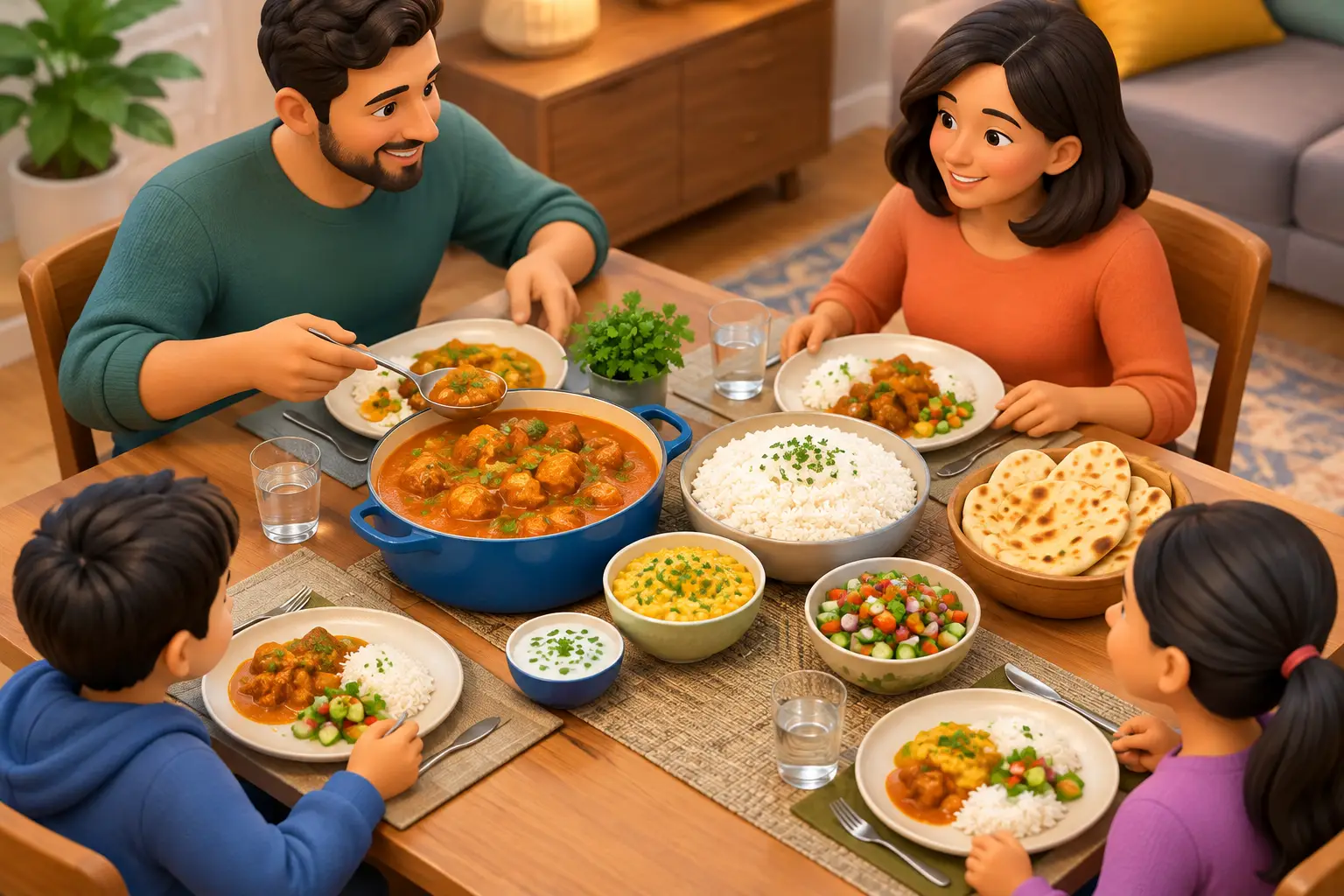
Curry night does not need formal hosting to feel considered. Set the curries in the center of the table, keep serving spoons with each dish, and put rice and breads within easy reach. This encourages sharing and gives everyone control over their plate, which is especially useful with children and different spice preferences.
Warm plates help sauces stay at their best, but a few simple details go a long way. Serve raita chilled, bring naan to the table just before eating, and wait to uncover hot curries until everyone is seated. If you are using takeaway containers, transfer the food to serving bowls where possible. The meal immediately feels more generous, even on a busy weeknight.
Drinks should refresh rather than compete. Sparkling water with lemon works well for all ages. Adults may enjoy a crisp beer, dry white wine, or a lightly chilled rosé alongside lighter chicken and vegetable dishes. For a nonalcoholic option with more occasion, serve mango lassi for a creamy treat or a mint-and-lime soda for something brighter.
Dessert can stay simple. Gulab jamun is warm, sweet, and ideal for sharing, while mango kulfi brings a cool finish after a spiced meal. If the curries have been rich, fresh fruit with a little cardamom or yogurt can be the better choice. The right ending depends on the rest of the menu, not on adding another elaborate course.
Ordering the Right Amount
For a family meal, portions depend on appetites, side dishes, and whether you want leftovers. As a useful guide, plan on one main dish for every two adults when there are three curries, plus one generous portion of rice per two people and at least one naan per person. Growing teenagers or a group with bigger appetites may need more bread and rice, but not necessarily more rich curry.
Leftovers are not a failure of planning. Curry often develops even more flavor after resting overnight, and extra dal or chickpeas can become an easy lunch with rice. The trade-off is that fried starters and naan are best eaten fresh, so order those more carefully than curries that reheat well.
For a relaxed dinner in Putney, Roehampton, Barnes, or nearby neighborhoods, Cilantro London can bring this kind of carefully balanced Indian spread to your table, with made-to-order dishes that feel fresh rather than overly greasy. Choose a mix that reflects your guests, not a fixed idea of what curry night has to be.
The most successful family curry night leaves everyone comfortably full, included in the meal, and already reaching for a little more rice to enjoy the last spoonful of sauce.