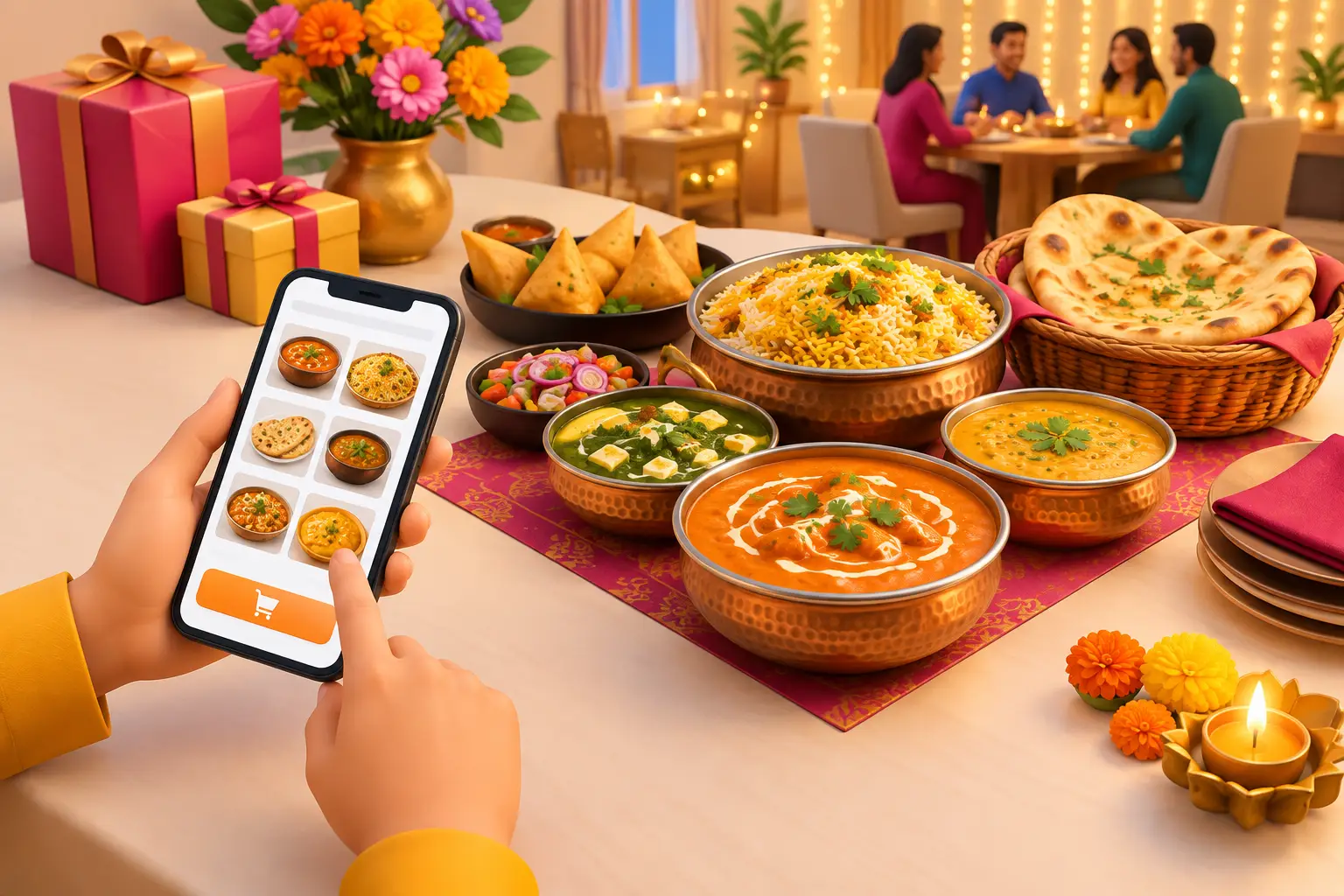
A birthday dinner should not leave the host standing over a hot stove while everyone else opens a bottle of wine. When you order Indian food for celebrations, the best result is a table that feels generous, colorful, and considered – with enough variety for every guest to find a favorite. The key is choosing dishes that travel well, balance richer flavors with fresh sides, and make sharing feel effortless.
For gatherings across Putney, Barnes, Wimbledon, Richmond, and nearby neighborhoods, Indian food offers more range than the usual one-note party spread. A well-planned order can be comforting without being heavy, festive without being fussy, and welcoming to meat eaters, vegetarians, vegans, and gluten-free guests alike.
Why Indian Food Works So Well for Celebrations
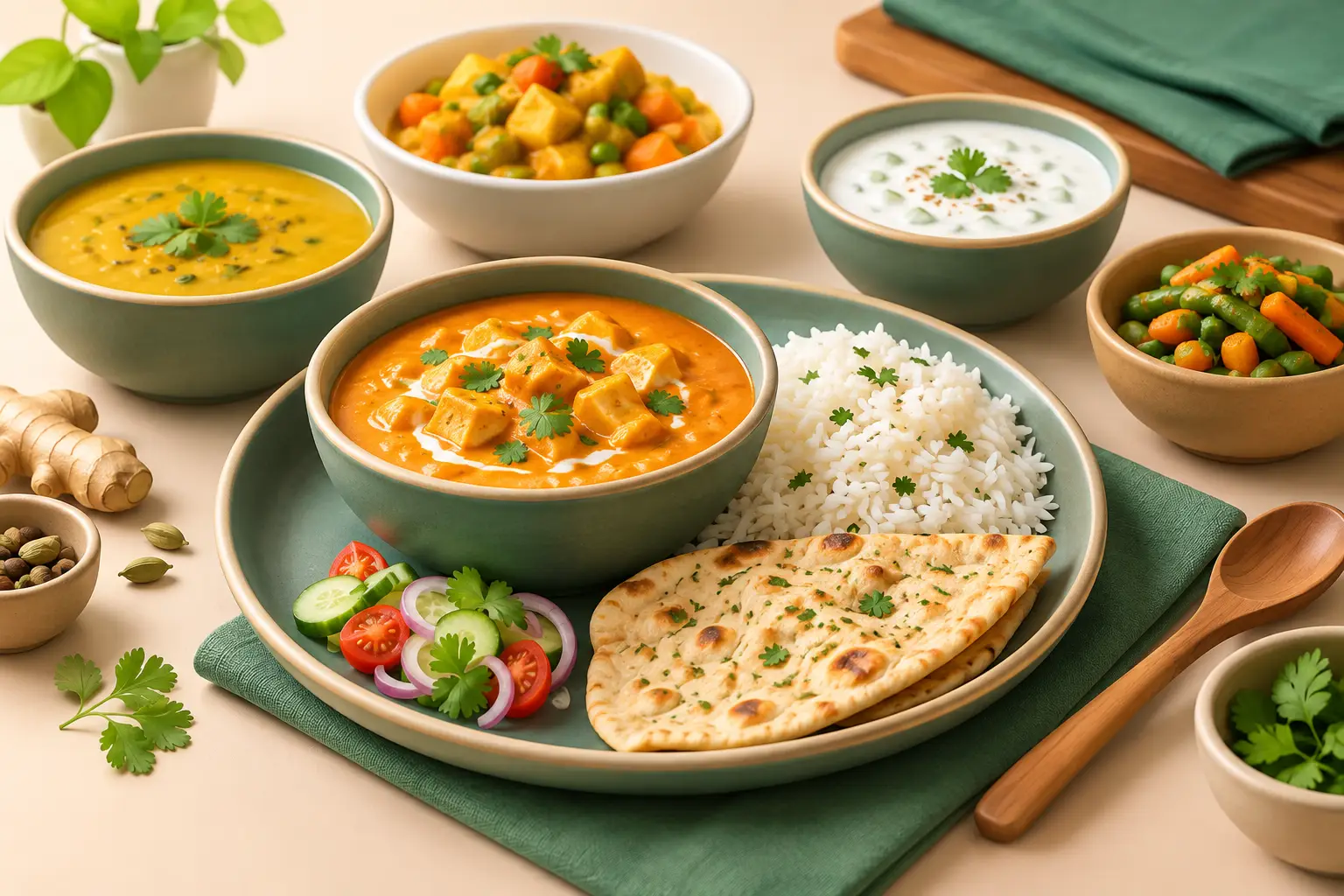
Indian food is made for the center of the table. Fragrant curries, tandoor-cooked dishes, biryani, warm breads, and bright chutneys create a meal that invites people to pass, taste, and go back for another spoonful. It is naturally sociable food, whether you are gathering six friends for an anniversary dinner or feeding a family after a child’s birthday party.
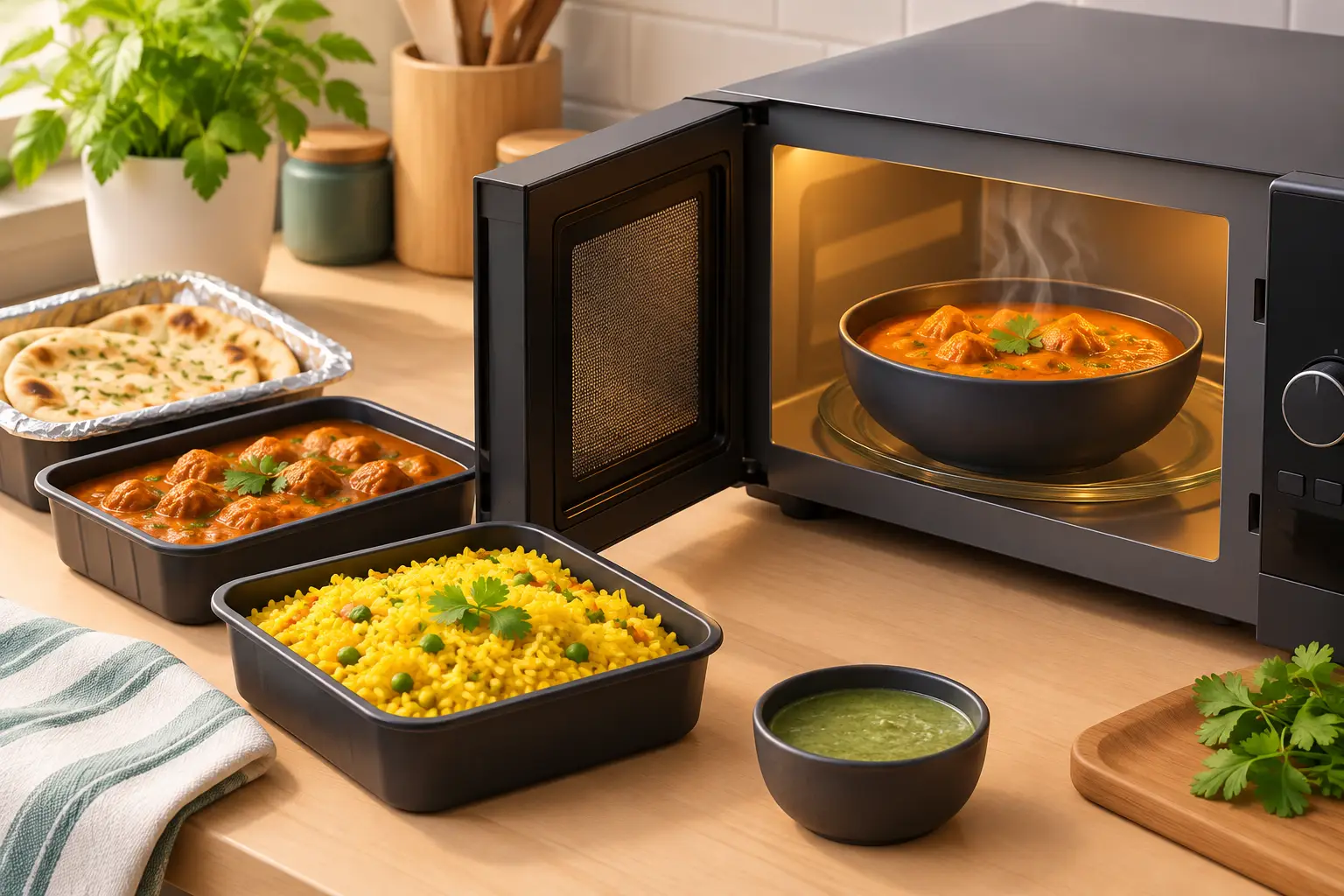
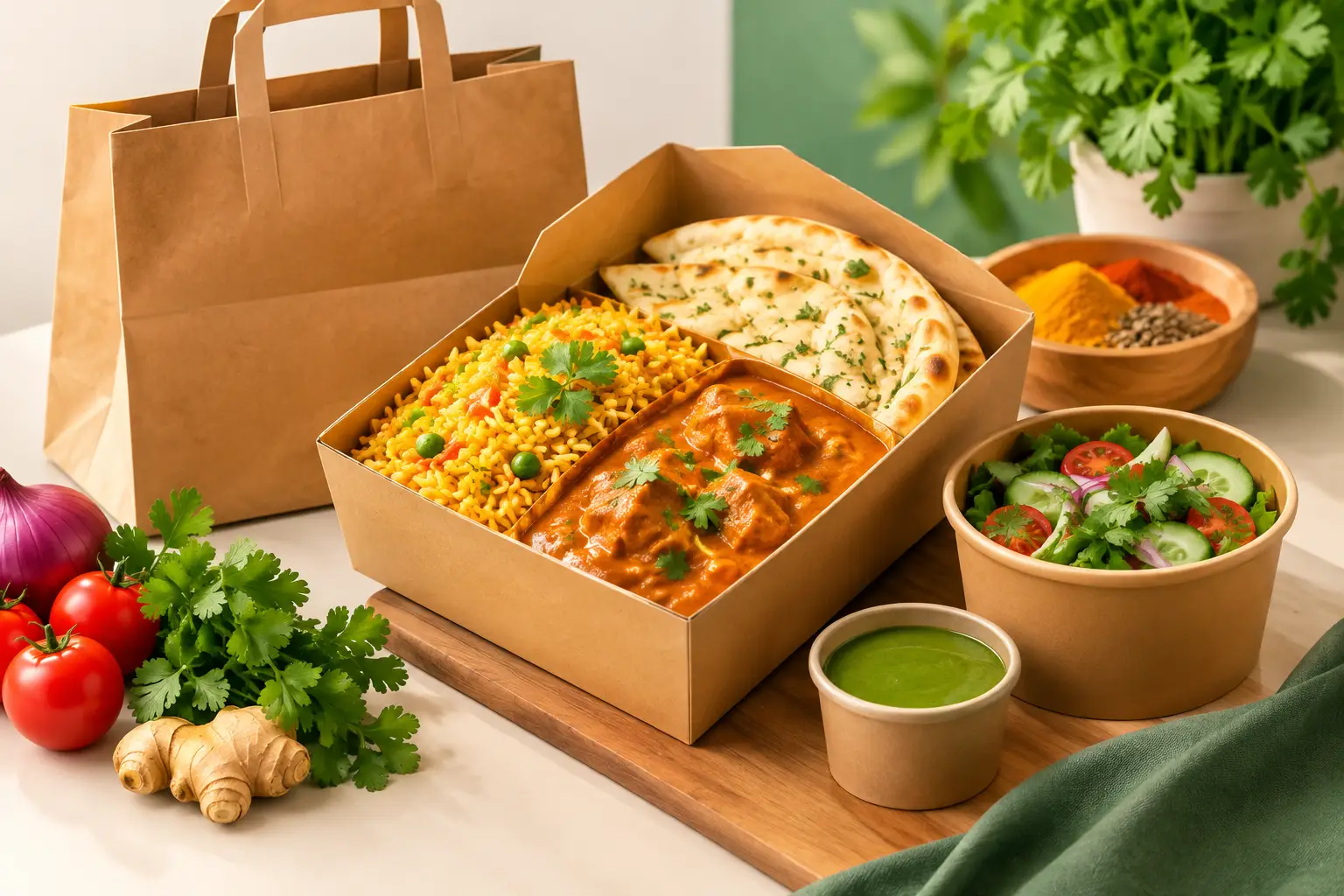
There is also a practical advantage. Many Indian dishes hold their flavor and texture well when packed for takeaway or delivery, especially slow-cooked curries, rice dishes, lentils, and tandoori items. That makes them a smarter choice than food that needs to be served immediately to shine.
A celebration menu does not need to be overly rich, either. Pair a deeper, tomato-based curry with grilled tandoori proteins, vegetable sides, fresh salad, and aromatic basmati rice. You still get the warmth and satisfaction guests expect, but the meal feels balanced enough for a long evening of conversation.
How to Order Indian Food for Celebrations Without Guesswork
Start with the occasion rather than simply ordering everyone’s usual. A relaxed movie-night birthday needs easy, familiar dishes and plenty of naan. A dinner party benefits from a more varied menu with a few conversation-starting dishes, such as a fragrant biryani or chargrilled tandoori selection. For an office lunch, consider foods that are easy to portion and eat neatly, with milder choices alongside a couple of dishes for guests who enjoy more heat.
Then think in categories. A reliable shared meal includes one or two chicken, lamb, seafood, or paneer mains; a vegetable-led curry or dal; rice; bread; and a cooling or crisp element. This avoids the common mistake of ordering four sauces that all taste similar, then realizing there is nothing fresh to cut through them.
Portion size depends on what else is being served. If Indian food is the full meal, plan for a generous selection of mains and sides, particularly when guests have different dietary preferences. If it is part of a larger celebration with appetizers, cake, and drinks, you can keep the main order more focused. It is always wise to add an extra rice dish and additional bread for groups – these are the first things to disappear once guests start sharing.
Build a Menu With Contrast, Not Just Quantity
The most memorable celebration orders have contrast. Choose one creamy or gently spiced curry, one dish with a richer roasted or smoky character, and one brighter vegetable option. That gives guests different paths through the meal rather than a plate of similar flavors.
For example, a tandoori chicken dish brings char, spice, and a lighter grilled finish. A slow-cooked lamb or chicken curry adds depth and comfort. Paneer or chickpeas can provide a satisfying meat-free centerpiece, while a dal offers a softer, nourishing option that works with almost everything. Biryani is ideal when you want the table to feel special, while plain basmati rice makes it easy for guests to enjoy sauces at their own pace.
Do not overlook the supporting dishes. Naan is a crowd-pleaser, but a celebration table feels more rounded with rice, a crisp salad, and cooling yogurt-based sides where appropriate. Fresh herbs, cucumber, lemon, and chutney help reset the palate between bites. These small touches are especially valuable if you are ordering dishes with different spice levels.
At Cilantro London, the appeal is not simply familiar Indian favorites. It is the chance to serve authentic recipes prepared with care, layered spice, and a lighter, more refined approach than the standard greasy takeaway. For a celebration at home, that balance matters: guests can enjoy a generous meal and still feel comfortable afterward.
Choose Spice Levels for the Whole Table
A mixed group rarely agrees on heat. Rather than making every dish mild, choose a range. Keep most mains at a medium or approachable level, then add one bolder dish for guests who want more chili and intensity. This is more satisfying than trying to please everyone with a menu that is too cautious.
If children, older relatives, or guests unfamiliar with Indian cuisine are attending, lean on dishes with gentle warmth, grilled items, rice, and breads. Let heat come from optional chutneys or a single spicier curry. Guests who love chili can add to their plate, while everyone else can enjoy the flavors without feeling overwhelmed.
Make Dietary Needs Part of the Plan
A good host does not make anyone feel like an afterthought. Indian cuisine makes this easier because vegetables, lentils, chickpeas, paneer, and rice are already central to many classic dishes. Still, it is worth asking guests about allergies and dietary requirements before placing the order, particularly where dairy, nuts, gluten, or specific allergens may be involved.
For vegetarian guests, choose a proper main rather than assuming side dishes will be enough. Paneer, vegetable curries, lentils, and chickpea dishes can all feel celebratory when ordered in generous portions. Vegan guests may enjoy vegetable and lentil options, but confirm preparation details if needed. Gluten-free diners often have several naturally suitable choices, especially rice-based dishes and many curries, though breads and cross-contact considerations should always be checked directly with the restaurant.
This is where made-to-order food has an advantage over a supermarket party spread. You can plan with intention, giving every guest a dish they are genuinely happy to eat.
Timing Matters as Much as the Menu
Place your order early for Friday and Saturday evenings, bank holidays, match days, and popular celebration dates. A restaurant can prepare food with more care when it has clear notice, and you have more confidence that your meal will arrive when guests are ready to eat.
If you are collecting, arrange your timeline backward from serving time. Set the table, chill drinks, and clear counter space before leaving to pick up the food. Once you are home, transfer curries and sides into serving bowls if you want a more relaxed, dinner-party feel. Keep breads wrapped until the last moment so they stay warm and soft.
For delivery, aim for food to arrive shortly before guests sit down, rather than at the exact minute the doorbell rings. This gives you breathing room to plate salads, set out serving spoons, and check that every item is there. If the celebration runs late, curries and rice are generally more forgiving than delicate fried foods, but tandoori dishes are at their best when enjoyed promptly.
Match the Meal to the Moment
For a date night or anniversary, fewer dishes with stronger contrast can feel more special than an oversized order. Choose a standout main, a tandoori dish to share, a fragrant rice, and a fresh side. For family celebrations, familiar curries, breads, and mild vegetable dishes keep the table easygoing and inclusive.
For larger house gatherings, variety becomes more important. Offer a balanced mix of protein, vegetarian choices, rice, bread, and bright accompaniments so guests can build their own plates. Avoid ordering only the most indulgent dishes. A table with grilled items, greens, and lentils alongside favorites feels generous without becoming too heavy.
The best celebration meal leaves people lingering at the table, reaching for one more spoonful, and asking who chose the food. Plan for warmth, variety, and a little extra rice – then let the evening do the rest.