You can usually tell within a few bites whether a restaurant is simply assembling familiar dishes or whether a real kitchen is guiding every plate. A chef led Indian kitchen example is not about adding a polished label to a takeaway menu. It is about the food tasting considered, balanced, and freshly made, whether you are sitting down for dinner or ordering in after work.
That difference matters more than ever for local diners who love Indian food but do not want the usual trade-off of great flavor followed by a heavy, greasy meal. When a kitchen is genuinely chef led, you notice it in the layering of spice, the restraint with oil, the quality of the sauces, and the way classic dishes still feel vibrant and precise.
What a chef led Indian kitchen example actually means
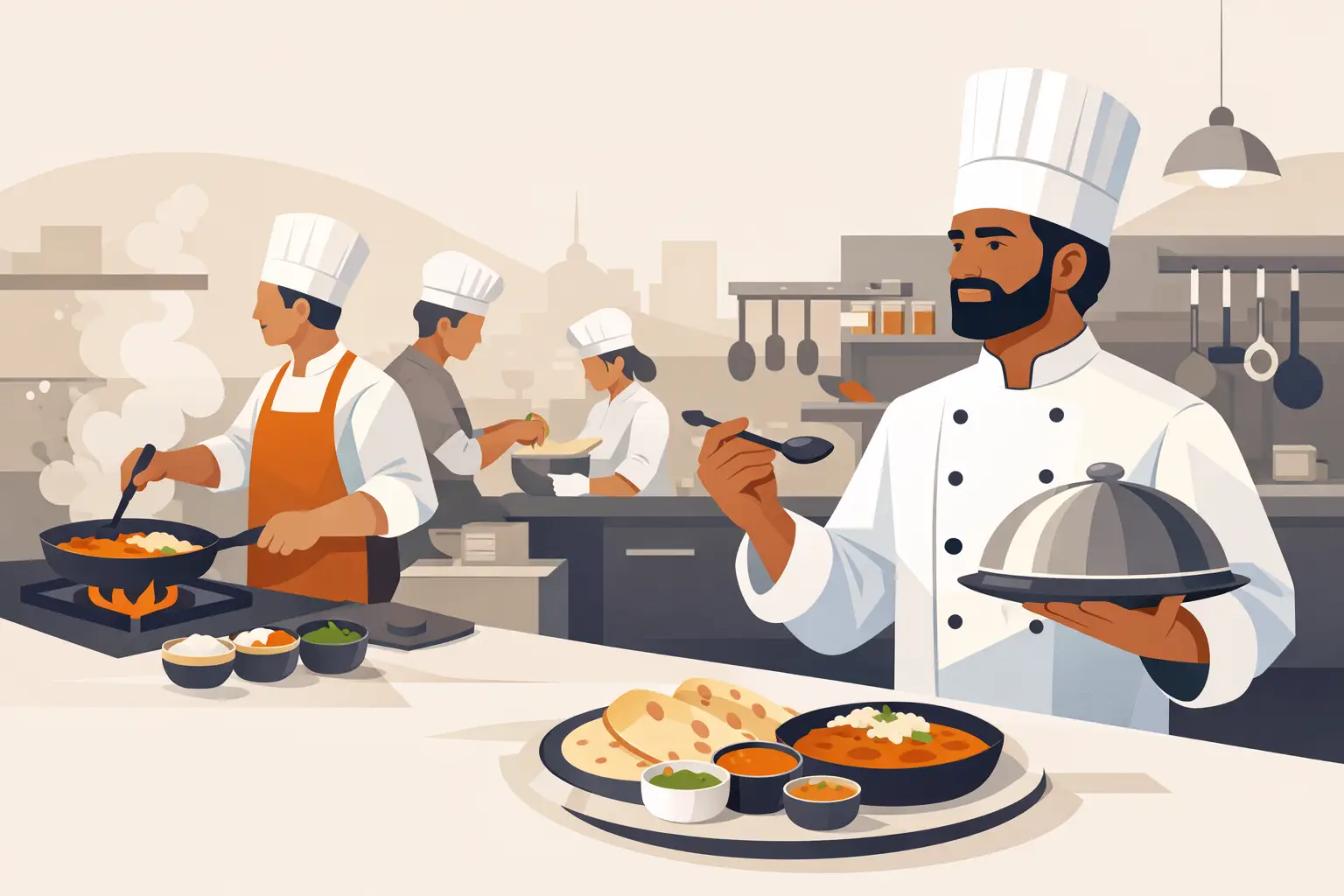
In practical terms, a chef led Indian kitchen example starts with leadership in the kitchen rather than just management of operations. The menu is shaped by culinary judgment. Recipes are not treated as fixed formulas churned out the same way regardless of season, ingredient quality, or dining occasion. Instead, the kitchen is guided by people who understand how Indian food should taste and how to adapt that standard without losing authenticity.
That often shows up in a few clear ways. Sauces have depth instead of blunt heat. Tandoori dishes taste marinated rather than merely colored. Rice is fragrant and distinct, not an afterthought. Vegetarian and vegan dishes feel complete in their own right rather than like substitutions. None of that happens by accident.
There is also a discipline to a chef-led approach that customers may not see directly but absolutely experience. Stocks, marinades, and spice bases are handled with care. Cooking times are respected. Portions are balanced. The kitchen knows where richness adds comfort and where restraint keeps a dish elegant.
Why diners respond to chef-led Indian kitchens
Most people are not using restaurant industry language when they choose where to eat. They are usually thinking more simply. Will this meal taste fresh? Will it travel well if I order delivery? Will everyone at the table find something they enjoy? Will I feel satisfied without feeling weighed down?
A chef-led kitchen answers those questions well because it is built around consistency and intent. The food is designed to work across different moments, from a quiet midweek dinner to a family meal, a date night, or an office order where reliability matters. That is especially valuable with Indian cuisine, where expectations are high and where one disappointing meal can put a place out of rotation very quickly.
For many customers, the appeal is not just premium positioning. It is reassurance. You are more likely to trust a kitchen that treats every dish as a reflection of its standards, not just a transaction.
The difference between chef-led and standard takeaway thinking
A standard takeaway model often prioritizes speed, volume, and familiarity above everything else. There is nothing inherently wrong with that, and for some diners it suits the occasion. But it can lead to shortcuts – heavier sauces, too much oil, one-note spice, and menus padded with options that all taste broadly similar.
A chef-led Indian kitchen usually takes a more selective view. The goal is not to offer everything to everyone. It is to make each dish feel purposeful. That may mean a tighter menu, more careful ingredient sourcing, or more attention to how food holds up from kitchen to table.
There is a trade-off here. A kitchen that cooks with more care may not always chase the lowest price point or the biggest portions. But many diners are happy to make that trade when the reward is food that feels fresher, more polished, and far more memorable.
Freshness is where the example becomes obvious
If you want the clearest chef led Indian kitchen example, look at freshness. Freshness is not just about herbs on top or a colorful side salad. It is about whether the whole meal tastes alive.
In Indian cooking, that can mean the brightness of ginger, the fragrance of cardamom, the sharpness of coriander, or the smoky finish from a tandoor done properly. It can also mean knowing when not to overcook vegetables, when to let lentils keep their character, and how to build sauces that feel rich without becoming cloying.
This is where a more modern, health-conscious approach makes real sense. Lighter cooking does not mean less flavor. If anything, it demands more skill. When you reduce grease and avoid masking everything with cream or oil, the quality of the spice work has to stand on its own.
That is one reason refined Indian dining has such strong appeal for today’s local audience. People still want comfort and generosity, but they also want clarity on the plate.
Chef-led kitchens handle classic dishes better
A strong kitchen does not need to reinvent Indian food to make it compelling. In fact, many diners are looking for familiar favorites done properly. The value of chef leadership is often most obvious in classics.
A curry should have structure, not just heat and thickness. A biryani should feel aromatic and layered, with every spoonful carrying distinct flavor. Tandoori dishes should arrive tender and smoky, not dry and overly charred. Even the simplest dal or salad should feel considered.
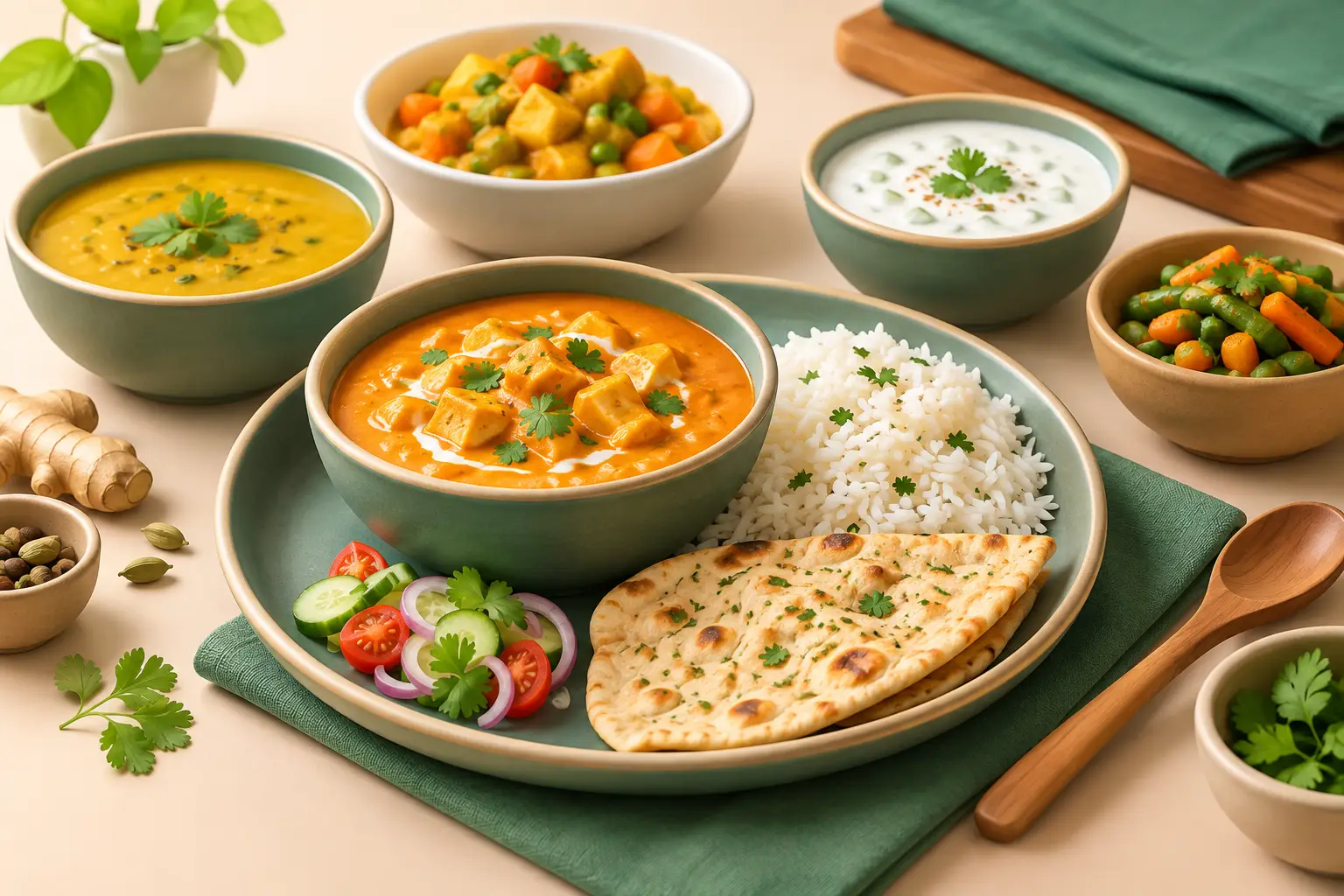
That level of care is what turns a regular order into a place people return to. It also helps a restaurant serve different audiences well. Couples may want a more polished dine-in experience. Families may need variety and dependable portions. Professionals ordering from home may care most about timing and consistency. A chef-led kitchen can meet all three because the foundation is stronger.
Dietary choices are a real test of kitchen quality
One of the best signs of a serious Indian kitchen is how it handles dietary needs. Plenty of menus mention vegetarian, vegan, or gluten-free choices. The stronger test is whether those dishes feel central to the menu or pushed to the edge of it.
In a chef-led kitchen, dietary inclusivity is usually approached with confidence rather than compromise. Vegetarian dishes can be among the most satisfying on the menu because Indian cuisine already has deep traditions in that space. Vegan cooking can still feel rich and layered without relying on heaviness. Gluten-free guests should feel guided, not limited.
This matters for modern neighborhoods where one table often includes different preferences and requirements. A restaurant that can serve everyone well becomes much easier to trust for repeat orders, casual gatherings, and group dinners.
What this looks like for local diners
For customers in places like Putney, Barnes, Richmond, or Wimbledon, convenience matters. So does credibility. People want to know that if they book a table, collect an order, or arrange delivery for home, the standard will hold up.
That is where the chef-led model becomes especially useful. It supports both hospitality and practicality. You can enjoy restaurant-quality food in the dining room, but you can also expect that same care when dinner arrives at your door. The kitchen is not split between two identities. It is one standard applied across different occasions.
That balance is a big part of why refined Indian restaurants resonate locally. They fit real life. A weekday takeaway can still feel special. A healthier lunch or lighter dinner does not mean sacrificing satisfaction. A celebration meal can still feel warm and accessible rather than formal.
Cilantro London reflects that approach particularly well, combining authentic Indian cooking with a fresher, more balanced style that suits both dine-in and home dining.
How to spot a chef led Indian kitchen example before you order
You do not need industry knowledge to read the signs. Start with the menu. If it feels focused, with strong coverage across curries, biryanis, tandoori dishes, and thoughtful vegetarian options, that is a good start. If the language centers on freshness, made-to-order cooking, ingredient quality, and balanced preparation, that usually points to real kitchen standards.
Then think about the overall proposition. Does the restaurant seem to understand different occasions, from casual takeaway to date night? Does it sound proud of its recipes rather than simply promotional about discounts and speed? Does it speak with confidence about flavor and care?
It also helps to consider what you want from the meal. If your priority is the cheapest possible dinner, a chef-led kitchen may not always be the match. If you want reliable quality, clean flavor, and a meal you would happily order again, it often is.
Why this model has lasting appeal
Trends come and go, but people rarely lose interest in food that feels both comforting and well judged. That is why the chef-led model has staying power in Indian dining. It respects tradition while meeting modern expectations around freshness, wellness, and consistency.
For diners, that means less compromise. You do not have to choose between authentic flavor and a lighter finish. You do not have to settle for a menu that works only in the restaurant but disappoints at home. You can expect more from your local Indian kitchen, and when the standard is there, you taste it straight away.
The best meals are often the ones that feel effortless to the guest and highly disciplined behind the scenes. That is the real value of a chef-led kitchen, and it is exactly why choosing the right one can change your regular dinner order for the better.