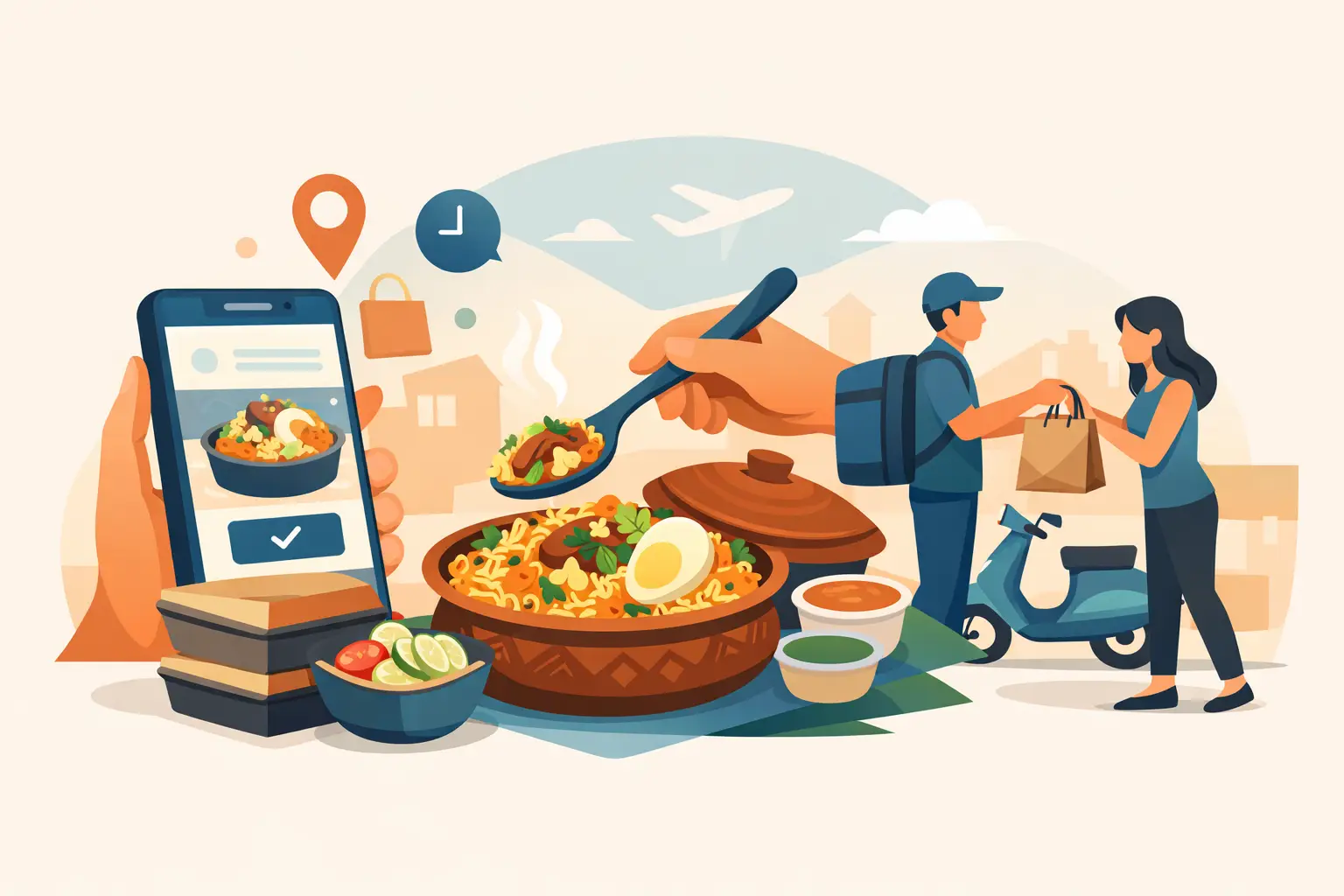
Some takeaway dishes are forgiving. Biryani is not one of them. When it is done well, you get fragrant rice, tender meat or vegetables, balanced spice, and that unmistakable slow-cooked depth in every forkful. When it is rushed or poorly packed, it can arrive heavy, dry, or muddled. That is exactly why a good guide to ordering biryani takeaway matters.
Biryani is often treated like a single menu item, but it is really a family of dishes with different textures, spice profiles, and serving styles. If you know what to look for before you order, you are far more likely to get a meal that feels satisfying rather than overwhelming. Whether you are ordering for a quiet dinner at home, feeding the family, or adding something special to a weeknight, a little care up front makes a big difference.
What makes a great biryani takeaway
A strong biryani should feel layered, not crowded. The rice should stay distinct rather than clump together, and the seasoning should carry through the whole dish rather than sitting only on top. You want aroma first, then warmth, then depth. Good biryani is never just about heat.
Takeaway adds another layer to that equation. Rice continues to steam in the container, so balance matters even more than it does in the restaurant. If the kitchen uses too much oil or packs the dish too tightly, the texture can tip from rich to dense by the time it reaches your door. That is why made-to-order preparation and careful packing matter so much with biryani.
The best takeaway versions also hold their identity after transport. You should still be able to taste the character of the basmati, the herbs, the whole spices, and the main ingredient itself. Lamb should taste like lamb. Chicken should remain juicy. Vegetable biryani should not feel like an afterthought.
A practical guide to ordering biryani takeaway
Start by thinking about the kind of meal you want, not just the protein. If you want something comforting and full-bodied, lamb biryani is often the right pick. It tends to bring a deeper, slower-cooked richness that suits colder evenings or hungrier appetites. If you want something a little lighter, chicken biryani usually gives you that same aromatic experience with a cleaner finish.
Vegetable biryani can be the smartest order of all when it is prepared with care. A well-made version feels vibrant and balanced rather than overly starchy, especially when the vegetables are cooked to keep their texture. For diners who prefer plant-based options or simply want a lighter dinner, it can be every bit as satisfying as a meat-based biryani.
Then consider spice level realistically. Many people assume biryani should be fiery, but that is not the benchmark of quality. A better question is whether you want aromatic warmth, medium spice, or a stronger chili kick. If you are ordering for a group, it is often wiser to keep the biryani at a moderate level and let heat come from the side through pickles, chutneys, or a hotter curry added to the table.
Portion size is another place where people misjudge biryani. Because it is a rice dish, it looks straightforward, but a good biryani is filling. If you are adding sides, appetizers, or bread, one generous portion may be enough for one hungry person or even for two lighter eaters. If biryani is the only main event, then order more confidently. It depends on the occasion.
How to choose the right biryani for your appetite
If your ideal takeaway dinner is rich and indulgent, go for a biryani with raita and perhaps a side of curry sauce for extra moisture. This works especially well if you love a more luxurious plate and want leftovers that still feel complete the next day.
If you prefer a cleaner, more balanced meal, pair your biryani with a fresh salad or grilled starter instead of more starch. This keeps the meal from becoming too heavy and lets the rice remain the focus. For many diners, this is the difference between enjoying biryani and feeling overly full afterward.
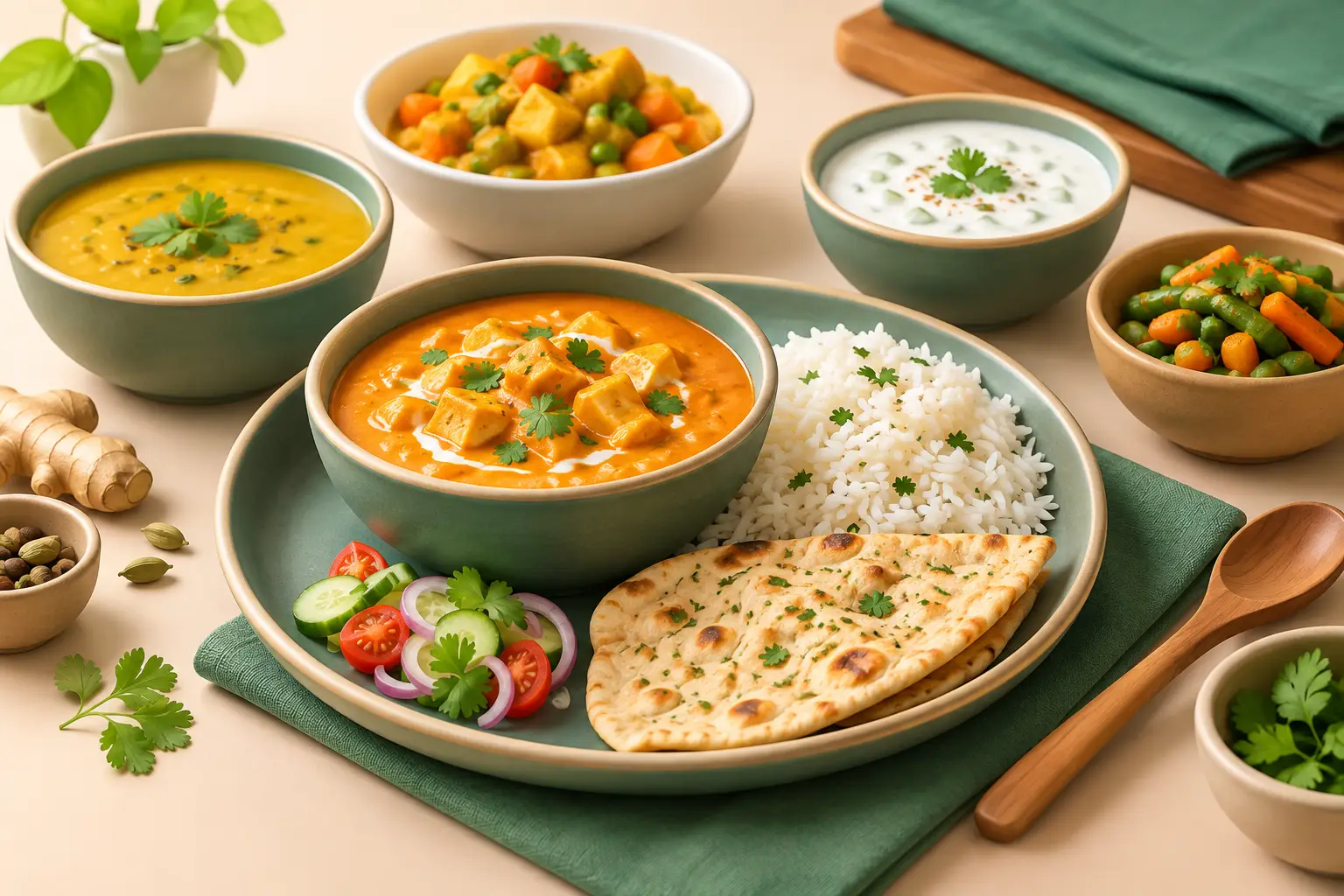
For family orders, variety usually beats doubling down on the same thing. One biryani, one milder curry, one vegetable side, and a couple of breads often creates a better table than several rice-heavy mains. You get contrast, and everyone can build their own plate.
The sides that actually improve biryani
Not every side helps. Some simply add bulk. The most useful addition is raita. Cool, lightly seasoned yogurt gives biryani breathing room and softens the spice without muting the flavor. If your biryani arrives hot and aromatic, raita keeps each bite balanced.
A fresh salad can also work well, especially if you like brighter contrast. Crisp onion, cucumber, and herbs cut through the richness and make the meal feel lighter. This is a smart choice for lunch orders or warmer evenings.
What about naan? It depends. Since biryani already centers on rice, bread can be excessive unless you are also ordering a curry or sharing across the table. If the meal is built around biryani alone, focus on cooling and fresh sides instead of more carbs.
Signs you are ordering from the right kitchen
A good biryani takeaway usually starts with a menu that treats biryani as a specialty, not filler. If the dish is clearly described, offered with thoughtful accompaniments, and presented as part of a balanced menu rather than a cheap add-on, that is a promising sign.
You should also look for kitchens that care about ingredients and preparation. Fresh herbs, quality basmati rice, and careful spice use matter more than oversized portions. A refined Indian takeaway should leave you satisfied, not weighed down.
That is one reason many local diners in Putney and nearby neighborhoods look for restaurants that combine authentic recipes with a fresher, lighter approach. At Cilantro London, biryani fits naturally into that style of cooking – made to order, deeply flavored, and designed to travel well without losing its character.
Common mistakes when ordering biryani takeaway
One common mistake is ignoring moisture. Some biryanis are intentionally drier and more structured, while others feel softer and more spoonable. Neither is automatically better, but if you know you prefer a little extra richness, ordering raita or a complementary sauce can improve the experience.
Another mistake is over-ordering heavy sides. Biryani with naan, fries, and a creamy starter may sound generous, but it can flatten the meal. You lose contrast. A sharper, fresher side often gives you more enjoyment than one more rich dish.
People also forget about timing. Biryani is at its best when eaten soon after arrival. If you are ordering ahead for later, think about how you will reheat it. Gentle heat works better than blasting it in the microwave. A splash of water, a covered dish, and a little patience can help restore the rice without drying it out.
Ordering biryani takeaway for different occasions
For a solo dinner, choose the biryani you genuinely want rather than trying to build a banquet. One main and one cooling side is usually enough. This keeps the meal focused and more satisfying.
For date night, biryani works best as part of a balanced spread. One shared biryani, one elegant starter, and one contrasting side or curry creates variety without overwhelming the table. You want the meal to feel generous but still polished.
For family night, think in terms of flexibility. Kids or milder eaters may prefer chicken biryani or a gentler spice level, while adults might want something fuller and warmer. Mixed ordering is often the smartest route.
For office lunches or casual group meals, biryani is practical because it holds well and serves cleanly. Just make sure the group has a few extras like raita, salad, and vegetarian options so the meal feels complete rather than repetitive.
A better way to think about biryani takeaway
The best biryani takeaway is not the biggest, the hottest, or the cheapest. It is the one that arrives balanced, aromatic, and ready to eat without compromise. That means choosing a kitchen that respects the dish, knowing your own appetite, and ordering sides that support rather than distract.
A little intention goes a long way here. If you treat biryani as a composed meal rather than just another rice dish, you will order better and eat better. The next time you are deciding what to bring home, let the dish do what it is meant to do – comfort you, impress you, and still feel light enough that the evening stays easy.