Friday night used to mean a trade-off. You either chose the comfort of takeaway or the feeling of eating well. Across London, that gap is closing fast. Healthy takeaway trends London diners are embracing now are less about restriction and more about raising standards – fresher cooking, better ingredients, smarter menus, and meals that still feel satisfying after the last bite.
That shift matters because people have become more selective about what convenience should look like. A quick dinner at home is no longer expected to be heavy, oily, or one-note. Customers want food that travels well, tastes fresh, and fits real life – whether that means a lighter dinner after work, a family order with different dietary needs, or a weekend meal that feels like a treat without the usual excess.
Why healthy takeaway trends in London are changing fast
London has always moved quickly, but food habits have changed in a more thoughtful direction over the past few years. People still want speed and comfort, yet they are paying closer attention to how food is prepared and how it makes them feel afterward. That has pushed restaurants to do more than add a token salad or a low-calorie label.
The strongest takeaway brands are responding with better cooking rather than louder marketing. Diners are looking for grilled dishes over deep-fried defaults, balanced spice instead of unnecessary richness, and menus that respect dietary preferences without making anyone feel like an afterthought. Health-conscious no longer means bland, and indulgent no longer needs to mean overdone.
For many neighborhoods, especially areas with busy professionals and families, this has become the new baseline. If a takeaway leaves you feeling sluggish, it starts to feel dated. If it arrives fresh, vibrant, and thoughtfully portioned, it earns repeat business.
The biggest healthy takeaway trends London customers notice
One of the clearest shifts is the move toward food with visible freshness. People like seeing crisp vegetables, grilled proteins, bright herbs, and sauces that taste made rather than mass-produced. There is reassurance in food that looks like real ingredients were handled with care.
Another major trend is menu flexibility. Diners want to build a meal around how they actually eat, not around rigid categories. That might mean pairing tandoori chicken with a fresh side instead of a heavier accompaniment, choosing a lentil-based dish for a meat-free night, or ordering a curry that feels layered and rich without relying on excess oil or cream.
There is also growing demand for naturally inclusive menus. Vegan, vegetarian, and gluten-free options are no longer niche requests in London takeaway culture. They are part of the standard expectation, especially for households and groups ordering together. A strong takeaway menu now needs to serve different preferences without sacrificing flavor or authenticity.
Then there is portion logic. Customers still want generosity, but not wastefulness. Better takeaway meals feel complete and satisfying rather than oversized for the sake of it. Restaurants that get this right understand that balance is part of the value.
What this means for Indian takeaway
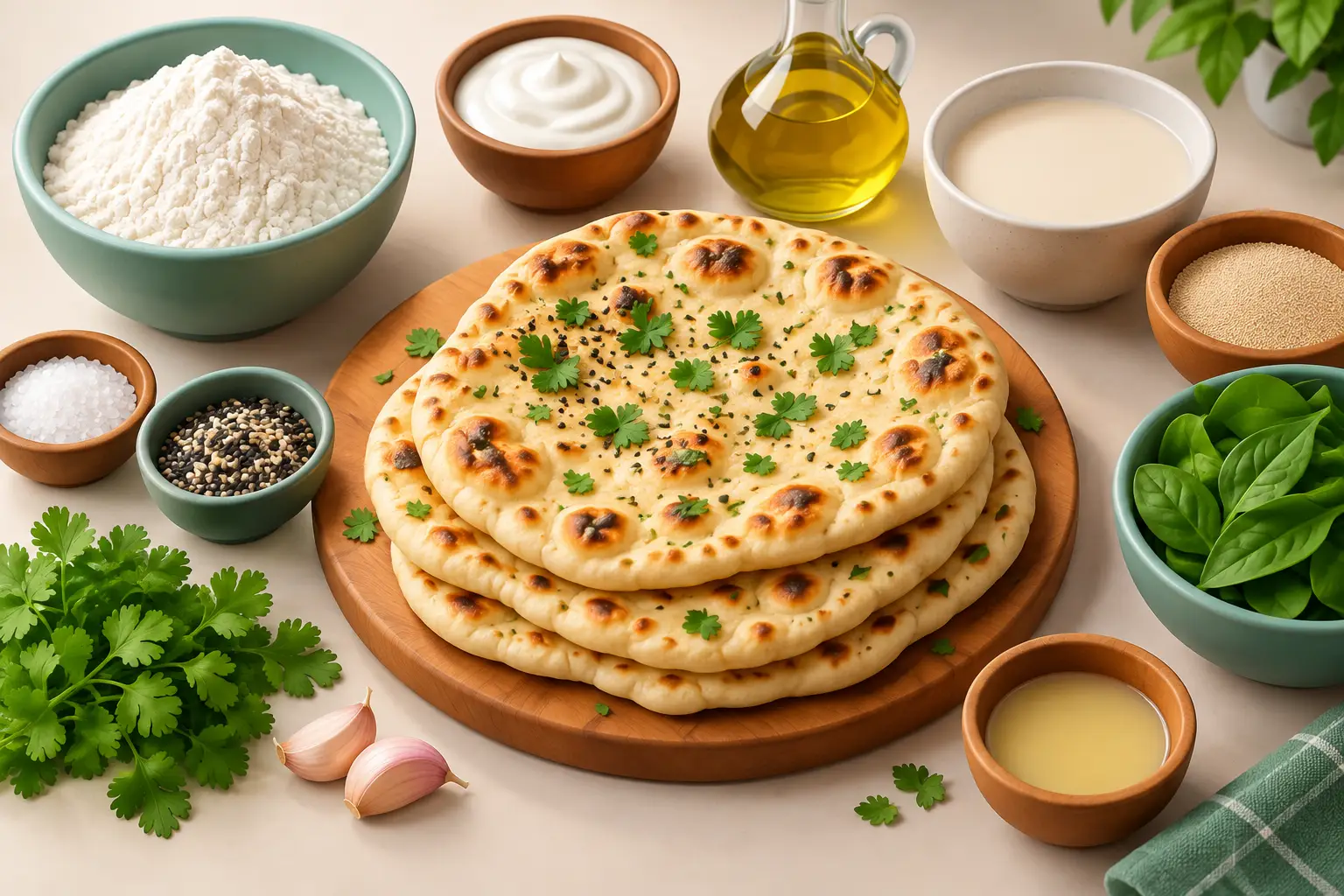
Indian food is particularly well placed for this moment, although not every restaurant approaches it the same way. The cuisine already has the foundation for balanced, flavorful eating – grilled meats from the tandoor, lentil dishes with depth, vegetable-led recipes, bold spices, yogurt-based marinades, and slow-cooked sauces that rely on technique rather than heaviness.
The challenge is perception. For years, some diners associated Indian takeaway with overly rich curries, excessive oil, and meals that felt like an occasional splurge rather than a regular choice. That is changing as more restaurants present Indian cooking in a cleaner, more refined way while staying true to traditional flavors.
This is where execution matters. A lighter Indian takeaway should not feel watered down or stripped of character. It should still deliver warmth, spice, texture, and comfort. The best versions do not chase health trends at the expense of authenticity. They simply cook with more care.
Lighter cooking, not less flavor
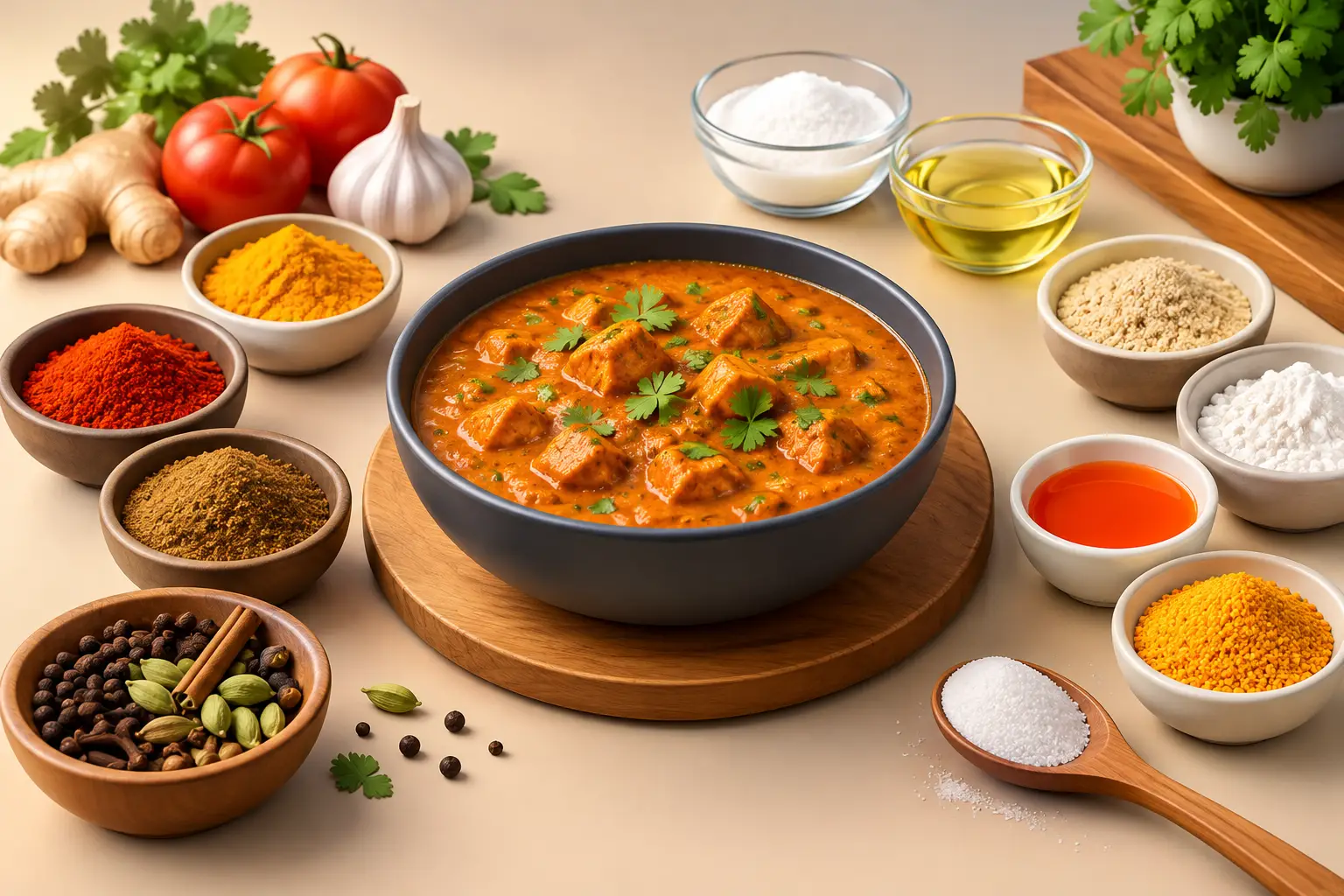
A well-made jalfrezi, rogan josh, or tandoori dish does not need to be greasy to be memorable. In fact, when ingredients are well sourced and spices are properly handled, the flavor comes through more clearly. You taste the tomato, ginger, green chili, cumin, coriander, and char from the grill instead of a blanket of heaviness.
This is one reason grilled and tandoor-cooked dishes continue to gain ground. They offer the depth people want from Indian food, but with a cleaner finish. The same is true of lentil dishes, chickpea-based recipes, and vegetable curries that are built on aromatics and spice rather than excess fat.
Better for mixed households and group orders
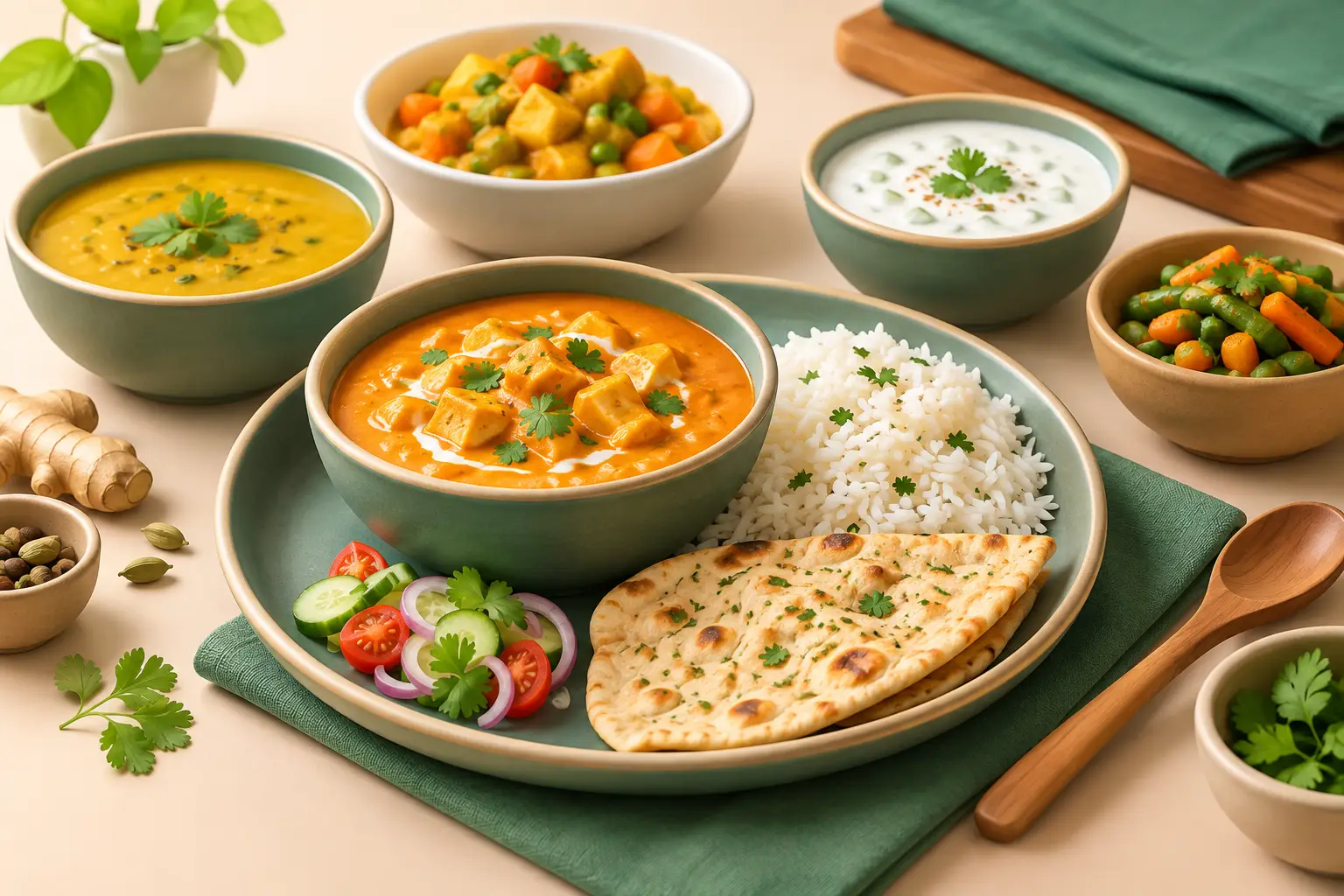
Indian takeaway also suits the way people actually order now. One person wants something high-protein and grilled, another wants a vegan main, and someone else needs a gluten-free option. A thoughtful Indian menu can handle all of that naturally, without making the meal feel fragmented.
That flexibility is a major reason health-conscious customers return to restaurants that get it right. It is not just about one “healthy” dish. It is about knowing the whole order can work for everyone around the table.
What diners should look for in a healthier takeaway
Not every menu that uses words like fresh or wholesome is genuinely thoughtful. A better test is to look at how the menu is built. Does it offer grilled options alongside curries? Are there vegetable-forward dishes that feel intentional? Is there variety for vegan and gluten-free diners? Does the food sound made to order rather than pre-assembled?
It also helps to notice whether the restaurant seems confident in its core cooking. Places that care about quality usually describe food in terms of ingredients, preparation, and tradition rather than vague claims. That tends to be a better sign than calorie-count language pasted onto an otherwise standard menu.
For customers in Putney, Roehampton, Barnes, or nearby neighborhoods, convenience still matters. Healthy takeaway is not just about the plate. It is also about reliability. Food should arrive at the right temperature, hold its texture well, and feel like it was prepared with the same care you would expect in the dining room.
Healthy takeaway trends London will keep seeing
The next phase is likely to be refinement rather than reinvention. Diners are not asking for extreme diet food. They want restaurant-quality meals that fit more naturally into weekday life. That means continued demand for cleaner marinades, more grilled dishes, better plant-based mains, and side options that do more than fill space in the order.
There will also be more attention on ingredient sourcing and kitchen standards. Customers increasingly connect quality with trust. They want to know that the chicken is well prepared, the vegetables are fresh, and the food is cooked with consistency. That trust matters even more when takeaway becomes part of a regular routine.
For Indian restaurants, this creates a real opportunity. The category has all the tools to lead in this space when it leans into its strengths: spice complexity, variety, naturally plant-forward dishes, and cooking methods that create depth without needing excess. Restaurants that combine those strengths with polished service and dependable delivery are likely to stand out.
A modern example of that approach is Cilantro London, where authentic Indian cooking is presented with freshness, balance, and a more refined takeaway experience in mind. That kind of offering speaks directly to where the market is headed – meals that are full of character, made with care, and easy to enjoy on an ordinary Tuesday as much as a special evening in.
The real trend, underneath all the menu language, is simple. People want takeaway that respects both flavor and how they live. They want comfort without compromise, convenience without corner-cutting, and dishes they can order again next week with the same confidence. When a restaurant can deliver that, healthy eating stops feeling like a separate category and starts feeling like the standard.