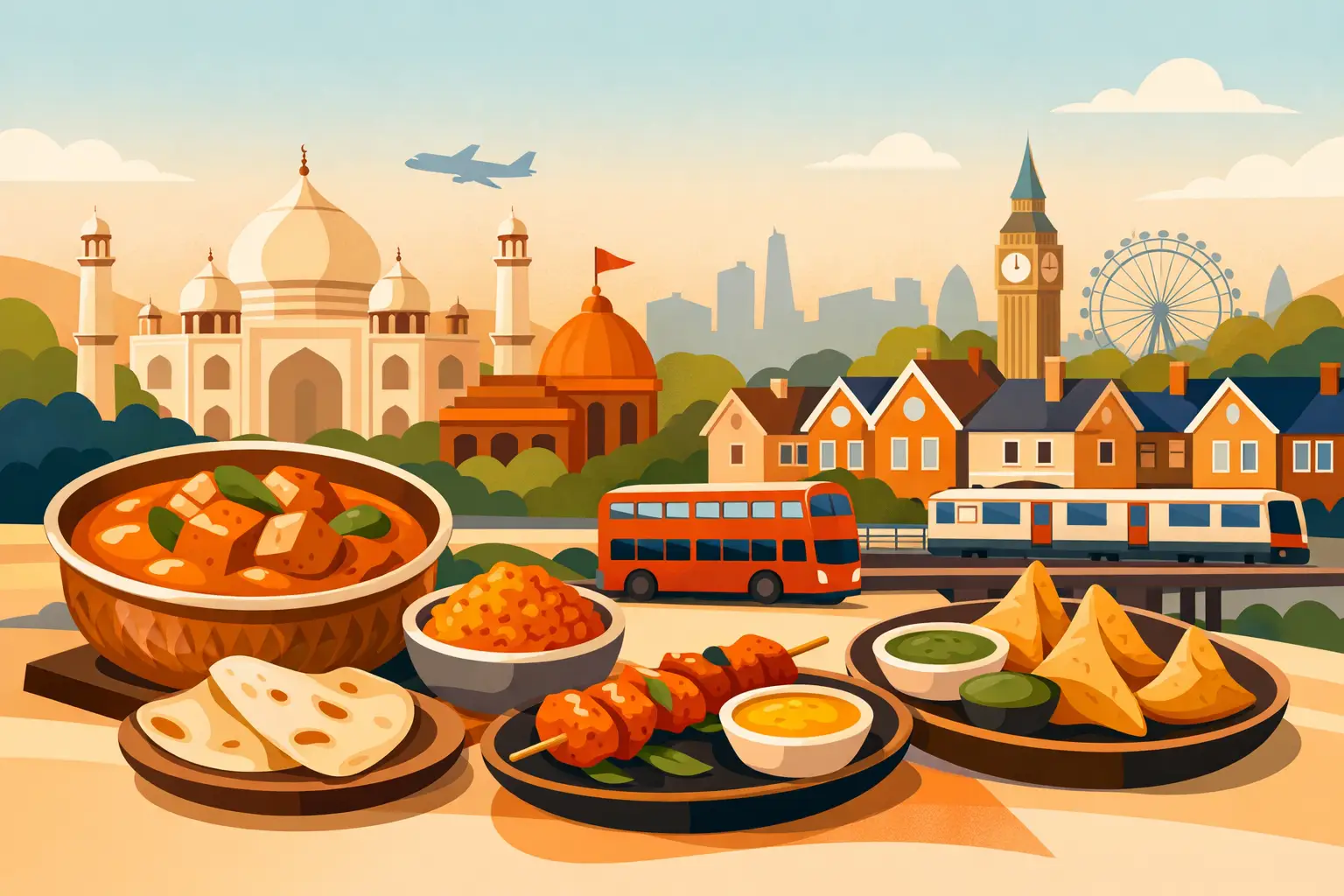
Friday night in the London suburbs used to mean one familiar routine – a rich curry, a shared naan, and the kind of takeaway that felt comforting but heavy by the end of the meal. That picture is changing fast. Indian food trends in London suburbs now reflect a different kind of local dining habit, one shaped by freshness, flexible ordering, regional flavor, and a stronger focus on how food feels as much as how it tastes.
For diners in places like Putney, Barnes, Richmond, Wimbledon, and Wandsworth Town, Indian food is no longer boxed into the old takeaway stereotype. People still want depth of spice, warmth, and proper cooking, but they also want balanced meals, cleaner ingredients, better presentation, and menus that fit a weeknight delivery just as well as a relaxed dinner out. The suburban market has become more discerning, and that is good news for restaurants willing to raise the standard.
Why indian food trends london suburbs are changing
The shift is not happening by accident. Suburban diners have changed their expectations across every cuisine, and Indian food is part of that broader move toward quality and convenience working together.
Many local customers are professionals juggling busy schedules, families looking for reliable dinner options, or couples who want something better than a generic delivery meal. They are not just asking whether a restaurant is nearby. They are asking whether the food tastes fresh, whether the menu has lighter options, whether dietary needs are taken seriously, and whether the experience feels consistent every time.
That matters because Indian cuisine is uniquely well placed to meet those expectations when it is prepared with care. Grilled dishes, lentil-based recipes, fresh herbs, yogurt marinades, vegetable sides, and layered spice blends all lend themselves to meals that feel satisfying without being overly rich. The cuisine has always had that range. What is changing is how clearly restaurants in suburban London are presenting it.
The move away from heavy curry-house expectations
One of the clearest Indian food trends in London suburbs is the rejection of excess oil, overly sweet sauces, and one-note takeaway menus. Diners still love classics, but they want them cooked with more precision.
A butter chicken can still be comforting without feeling weighed down. A lamb curry can still be deep and rich without tasting greasy. Biryani, tandoori dishes, dals, and paneer-based mains are being judged less by portion size alone and more by balance, texture, and freshness.
This does not mean people want bland food or tiny servings. It means they want food that respects the ingredients. The best suburban Indian restaurants are responding with made-to-order cooking, cleaner finishes, and recipes where spice is layered rather than simply turned up for effect.
Regional identity is becoming more important
Another major shift is a growing interest in where dishes come from, not just what protein they contain. For years, many suburban menus leaned heavily on a standard list of familiar curries. That still has a place, but customers are increasingly drawn to regional detail.
That might mean a smoky North Indian tandoori dish, a slow-cooked biryani with distinct grains and aromatics, or a street-food-inspired starter that feels brighter and more specific than the usual appetizer lineup. Diners may not always use the language of regional cuisine, but they recognize when a dish feels rooted in something real.
This is especially true in neighborhoods where people order often and know the category well. When Indian food is part of your regular dinner rotation, you start to notice the difference between generic and thoughtfully prepared. Restaurants that can deliver authenticity with a more polished, neighborhood-friendly approach are standing out.
Health-conscious ordering is no longer niche
In the suburbs, health-conscious dining is not limited to salads and juice bars. It is shaping how people choose Indian food too. Customers want the comfort and flavor of their favorite dishes, but with more control over how those meals fit into everyday life.
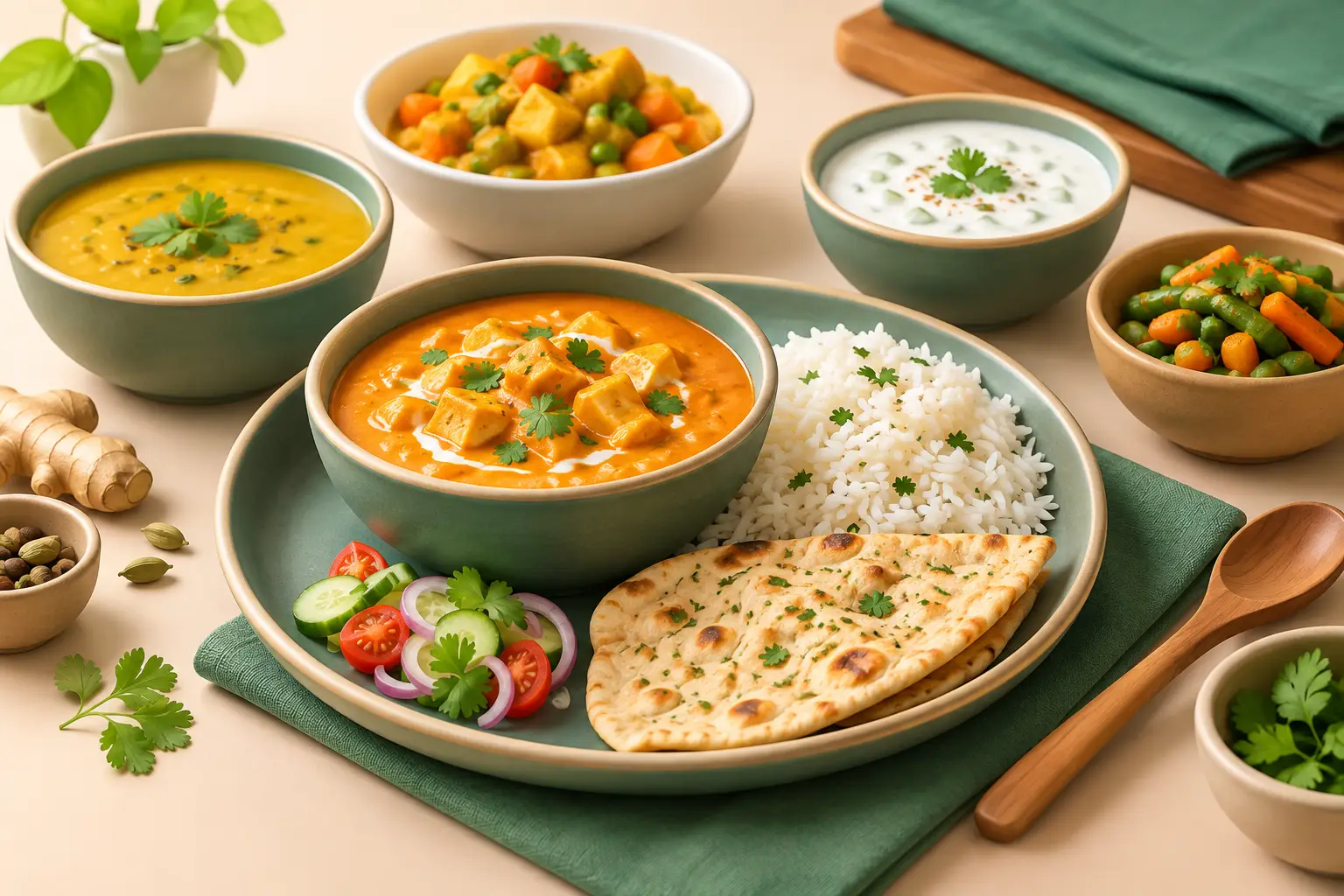
That is why grilled meats, tandoori platters, vegetable-forward sides, lentil dishes, and gluten-free or vegan options are becoming more central rather than tucked away as alternatives. For many diners, these are not compromise choices. They are first choices.
There is also more awareness around ingredient quality. People notice when food tastes fresh rather than reheated, when spices are vivid rather than dull, and when a sauce feels carefully made rather than bulked out. In suburban areas where repeat custom drives reputation, those details matter.
A restaurant like Cilantro London fits this shift naturally because it speaks to a local audience that wants authentic Indian cooking in a lighter, more refined format. That balance – traditional recipes with a fresher, more contemporary feel – is where much of the market is moving.
Takeout and dine-in now have to meet the same standard
One of the biggest operational trends behind the food itself is that customers no longer separate restaurant quality from delivery quality. In the past, people might have accepted a gap between the two. Now they expect both.
If a dish arrives at home, it still needs to feel considered. Packaging matters. Portioning matters. The menu mix matters too. Some items travel beautifully, while others need more care. The smartest suburban Indian restaurants are designing menus around real ordering behavior, not just copying a dine-in list into an online platform.
This is particularly relevant in areas where customers want flexibility. A family in Roehampton may want an easy midweek delivery. A couple in Putney might book a table for Saturday night. A small office group in Richmond may need dependable lunch ordering. The same restaurant has to perform across all of those moments.
Vegetarian and vegan dishes are becoming headline choices
Indian cuisine has always had an advantage here, but the suburban market is finally treating vegetarian and vegan dishes as stars rather than side notes. That shift is changing menu design and customer expectations.
Well-made dal, chana, paneer, mixed vegetable curries, and grilled starters are no longer ordered only by those avoiding meat. They are part of the main attraction. That is partly about health, partly about variety, and partly because customers have become less interested in repetitive ordering.
For restaurants, this creates both an opportunity and a challenge. The opportunity is obvious – Indian food already offers a strong foundation for inclusive dining. The challenge is that plant-based dishes still need real craft. Diners will not be impressed by token options. They want the same richness of flavor, texture, and care they would expect from any signature main.
Premium neighborhood dining is on the rise
Suburban diners are also spending more selectively. They may not go out every night, but when they order in or book a table, they want it to feel worth it. That has opened the door for a more premium style of local Indian restaurant.
Premium does not have to mean formal. In fact, in many London suburbs, it means the opposite. It means warm service, a polished setting, reliable online ordering, and food that feels elevated without being intimidating. People want neighborhood restaurants they can trust for a quiet dinner, a family meal, or a casual celebration.
That trust is built through consistency. Menus that cater to different dietary needs. Dishes that arrive as expected. Spice levels that are confident but balanced. Staff who know the food and care about hospitality. Those are the signals customers remember.
What diners should expect next
Looking ahead, the strongest indian food trends london suburbs will likely keep moving in the same direction – more quality, more transparency, and more flexibility. Diners will continue to reward restaurants that can combine authenticity with convenience, and comfort with freshness.
There will always be a place for familiar favorites. The point is not to abandon them. The real trend is refinement. Better ingredients. Better cooking. Better understanding of what local customers want from a weekday dinner, a date night, or a family takeaway.
For suburban London, that is a promising direction. Indian food has always offered generosity, flavor, and warmth. Now more neighborhood restaurants are proving it can offer lightness, precision, and everyday reliability too. If you are choosing where to order from or book next, that is the standard worth looking for.