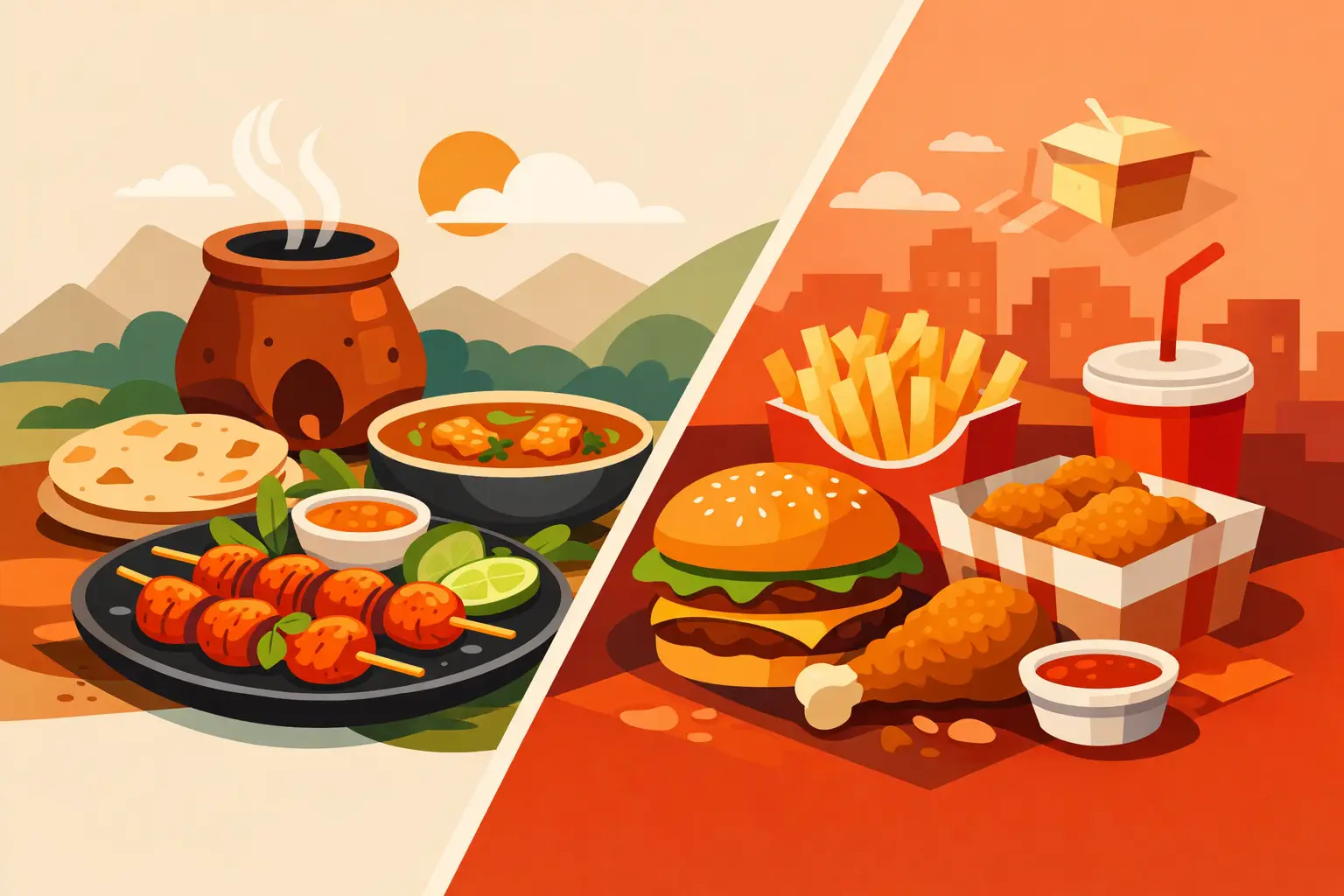
Some takeaway meals sound great at 7 p.m. and feel like a mistake by 9. That is often where the real conversation around tandoori dishes versus fried takeaway begins – not with calories on a menu, but with how your food tastes, sits, and satisfies after a long day.
If you love Indian food but want a meal that feels a little more balanced, this comparison matters. Both styles have their place. Fried starters and crisp, indulgent comfort food can absolutely hit the spot. But tandoori cooking offers something different: depth without excess, char without heaviness, and a cleaner finish that suits weeknights, family dinners, and even date-night takeaway.
Why tandoori dishes versus fried takeaway is worth comparing
The difference starts with the cooking method. Tandoori dishes are traditionally marinated with yogurt, spices, ginger, garlic, and herbs, then cooked at high heat. That process gives the food its smoky edges, tender center, and layered flavor. Fried takeaway, by contrast, leans on batter, breadcrumbs, or direct frying in oil to create crunch and richness.
Neither approach is automatically better in every situation. If you are craving something deeply crisp and indulgent, fried food can be exactly right. But if you want bold flavor without the oily finish many people associate with standard takeaway, tandoori dishes tend to offer better balance.
That balance matters for a lot of local diners who still want the comfort of a takeaway, just without the sleepy, overfull feeling that can follow it.
Flavor: spice depth versus surface crunch
One of the biggest myths about lighter food is that it must be less satisfying. Good tandoori cooking proves the opposite. Because the marinade has time to work into the ingredient itself, the flavor is built from the inside out. You get warmth from spices, brightness from lemon or yogurt, and a gentle smokiness from the cooking process.
Fried takeaway often delivers its first impression through texture. The crunch is immediate, and when it is fresh, it can be delicious. But in many takeaway settings, fried foods lose their edge quickly in transit. Steam softens the coating, oil settles, and what started crisp can arrive heavy.
Tandoori dishes usually travel better because they are not relying on a fragile crust. Chicken tikka, tandoori king prawns, paneer tikka, or grilled lamb tend to hold their structure and flavor on the journey home. That makes a real difference if you are ordering in after work or feeding a household with different schedules.
Texture and satisfaction are not the same thing
People often confuse richness with satisfaction. Fried food can feel filling fast, but that does not always mean it is the better meal. Quite often, it is just denser and greasier. A well-made tandoori dish gives you contrast in a more measured way – charred edges, juicy meat or vegetables, and enough spice to keep each bite interesting.
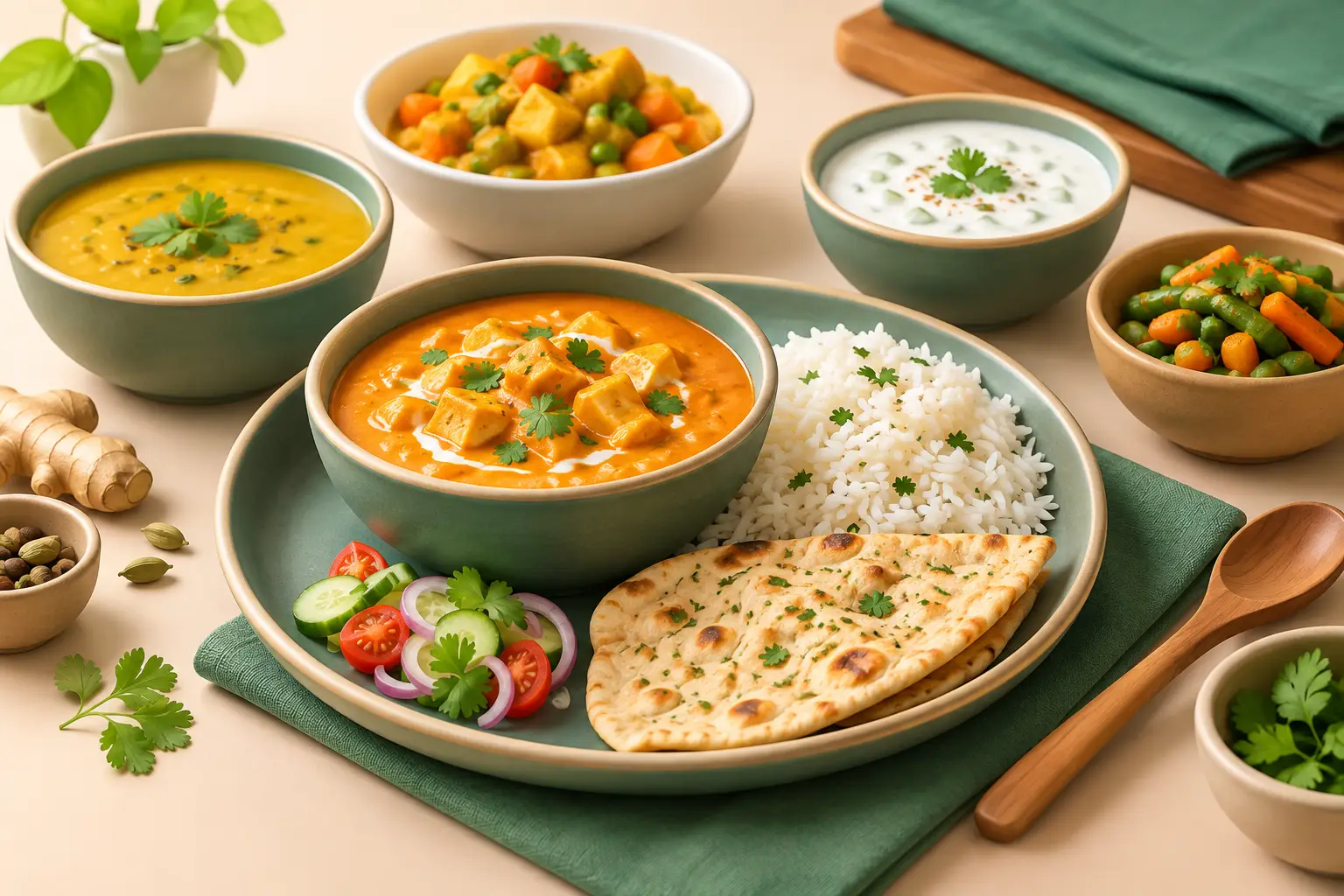
That is especially true when tandoori dishes are paired well. Add a fresh salad, grilled vegetables, lentils, or a lighter rice dish, and the meal feels complete rather than overloaded. You still get comfort, but with more clarity on the plate.
For families or couples ordering several dishes to share, this matters even more. Fried items can start to blur together. Tandoori selections usually bring more variety in both flavor and texture, so the meal feels more thoughtful and less one-note.
Tandoori dishes versus fried takeaway for a lighter meal
For many diners, the appeal of tandoori cooking is not about strict dieting. It is about wanting food that feels fresh and well prepared. That is a different goal entirely.
Tandoori dishes are usually lower in visible oil because the focus is on marination and roasting rather than deep frying. You still get richness from yogurt, spices, or natural fats in the protein, but it tends to feel more controlled. The result is often a meal that tastes generous without becoming greasy.
Fried takeaway has trade-offs. The coating can lock in moisture and create a great crunch, but it also absorbs oil and can mask the quality of the ingredient underneath. If the chicken, fish, or vegetables are excellent, tandoori cooking tends to let that quality come through more clearly.
This is one reason more health-conscious diners often lean toward grilled Indian dishes. They are not giving up flavor. They are choosing a style of cooking that feels cleaner and more ingredient-led.
Ingredient quality shows up more in tandoori cooking
There is nowhere to hide in a tandoori dish. The marinade, seasoning, and cooking technique have to be right, because the dish is not covered by a thick batter or a blanket of oil. Good ingredients matter more. So does consistency.
That is part of what makes tandoori food feel more refined when it is done well. You notice the tenderness of the chicken, the sweetness of the prawns, the firmness of the paneer, and the freshness of the herbs and spices. It feels cooked to order rather than assembled for speed.
For diners who care about authenticity, that difference matters. Indian food has always had enormous range. It is not defined by heavy takeaway staples alone. Tandoori dishes reflect a tradition of cooking that is both deeply flavorful and naturally suited to people who want more freshness in their meal.
When fried takeaway still makes sense
It would be too simple to say fried takeaway should always lose. Sometimes it is exactly what you want. If you are sharing snacks during a game, leaning into full comfort food on a rainy night, or craving a crisp starter with a cold drink, fried dishes can be part of the pleasure.
The real question is whether you want your whole meal built around that style. A few fried items alongside grilled mains can work beautifully. A table full of fried food, on the other hand, often feels repetitive and heavier than expected.
This is where a better Indian takeaway menu stands out. It gives you options to mix indulgence with balance instead of forcing you into one mood. You might start with an onion bhaji or a crisp appetizer, then move to chicken tikka, tandoori salmon, or grilled paneer as the main event. That way the meal still feels generous without tipping into excess.
What to order if you want flavor without the slump
If your usual takeaway leaves you too full to enjoy the evening, tandoori dishes are a smart place to start. Chicken tikka is a classic for good reason – smoky, tender, and easy to pair with almost anything. Tandoori king prawns feel a little more special and still stay light. Paneer tikka is ideal if you want something satisfying without meat, and tandoori mixed grills work well when you want variety.
The sides matter too. A fresh salad, cucumber raita, dal, or simple rice can keep the meal balanced. Rich naan and creamy sauces have their place, but not every order needs all of them at once. It depends on the occasion. Midweek dinner and Saturday night comfort food are not the same brief.
That understanding is central to modern Indian dining. Guests want choice. They want restaurant-quality cooking that fits real life, whether they are ordering for one, feeding the family, or setting the table for a relaxed evening in.
A more thoughtful kind of takeaway
The best takeaway does not just arrive hot. It arrives in a way that suits how you want to feel after eating it. That is why the conversation around tandoori dishes versus fried takeaway keeps coming up among people who know Indian food and care about quality.
A well-made tandoori dish can still feel indulgent. It can still be comforting, generous, and full of spice. The difference is that it usually leaves more room for the ingredients to speak, more balance in the meal, and more chance that you will finish dinner feeling satisfied rather than slowed down.
At Cilantro London, that is exactly the appeal of a more refined Indian takeaway – authentic recipes, fresh preparation, and food that tastes as good as it feels. If you are choosing your next order in Putney or nearby, tandoori is often the option that gives you the best of both worlds.
The easiest test is your own table: order what sounds good, but notice what disappears first and what you still feel happy about an hour later.