Some places win you over the moment the food hits the table. The aroma is layered, the spices are warm rather than harsh, and every dish tastes like it was cooked with attention, not rushed out for convenience. That is usually the difference between an average indian restaurant and one you come back to again and again.
For many local diners, the standard is higher now than it used to be. Good food is not enough on its own. You want authentic flavor, but you also want freshness. You want comfort, but not a meal that feels overly heavy. You want takeaway to travel well, dine-in to feel welcoming, and service to be consistent whether it is a quiet weeknight dinner, a family meal, or a last-minute order after work.
Why a great indian restaurant stands out
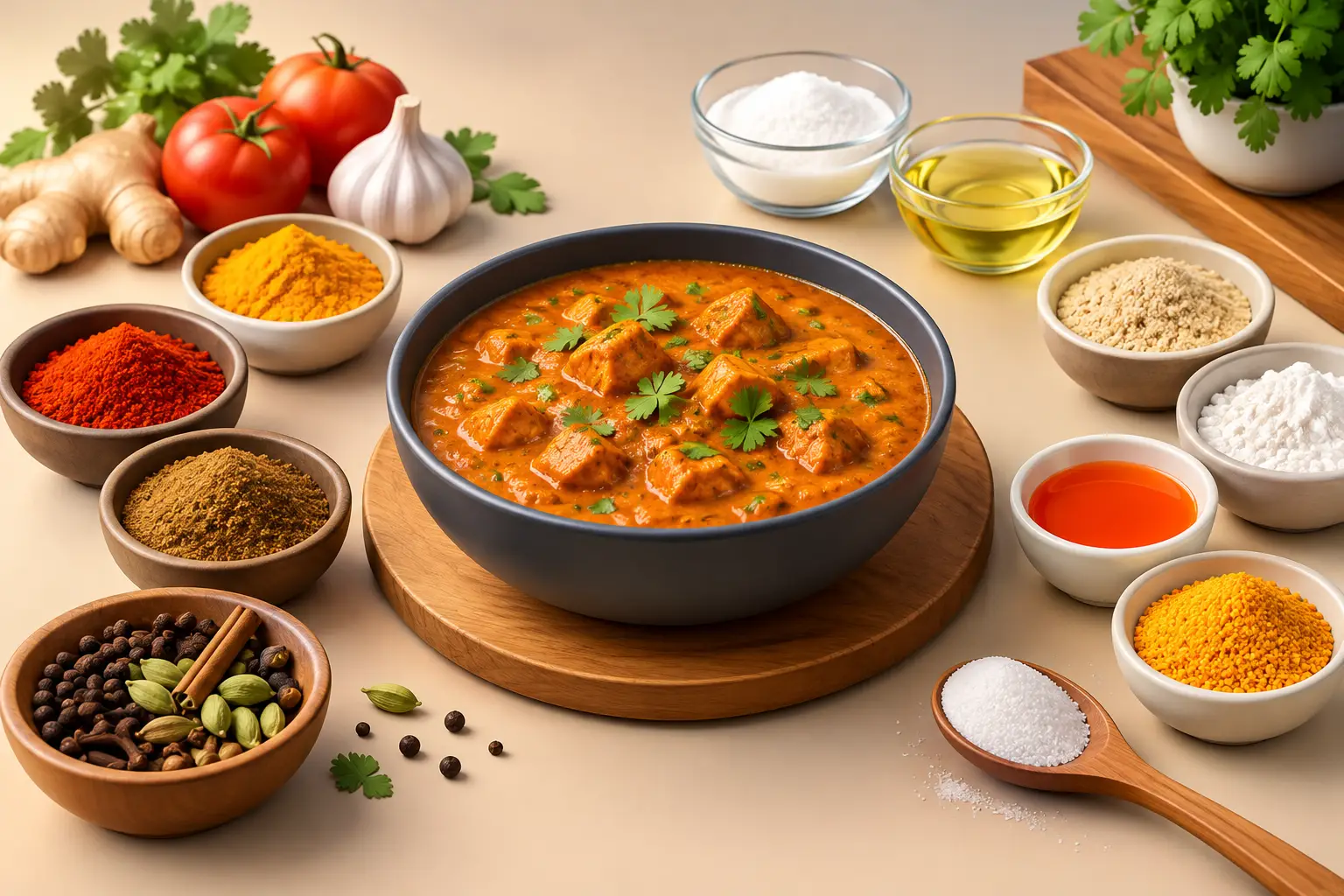
A great Indian meal is never just about heat. It is about balance. The best kitchens understand how to build flavor in stages, using spice to create depth, fragrance, and warmth rather than simply intensity. That matters whether you are ordering a slow-cooked curry, a biryani with distinct, aromatic rice, or a tandoori dish with a proper char and tenderness.
What separates a stronger restaurant from a forgettable one is usually care in the details. Sauces should taste individual, not interchangeable. A creamy dish should still have definition. A tomato-based curry should carry brightness as well as richness. Lentils should feel comforting and full-bodied, not like an afterthought. Even the salad on the side should feel considered.
There is also a growing expectation that Indian food can be both satisfying and well judged. Many diners still love the classics, but they are looking for cooking that feels fresher, lighter, and less greasy than the old takeaway stereotype. That does not mean losing authenticity. It means respecting ingredients, making dishes to order, and knowing that restraint can be just as valuable as indulgence.
Freshness changes everything
If you have ever eaten a curry that tasted flat, oily, or overly salty, chances are the issue was not the cuisine. It was the execution. Fresh ingredients bring clarity to Indian cooking. Herbs lift a dish. Ginger and garlic should taste alive. Vegetables should keep some texture. Chicken should be tender, lamb should feel properly cooked through, and seafood should taste clean and delicate rather than buried.
This is especially important for diners who want Indian food more regularly, not just as an occasional treat. When the food is prepared with care and a lighter hand, it fits more naturally into everyday life. It works for a date night, but it also works for a Tuesday evening when you want something nourishing and flavorful without feeling overdone by the end of the meal.
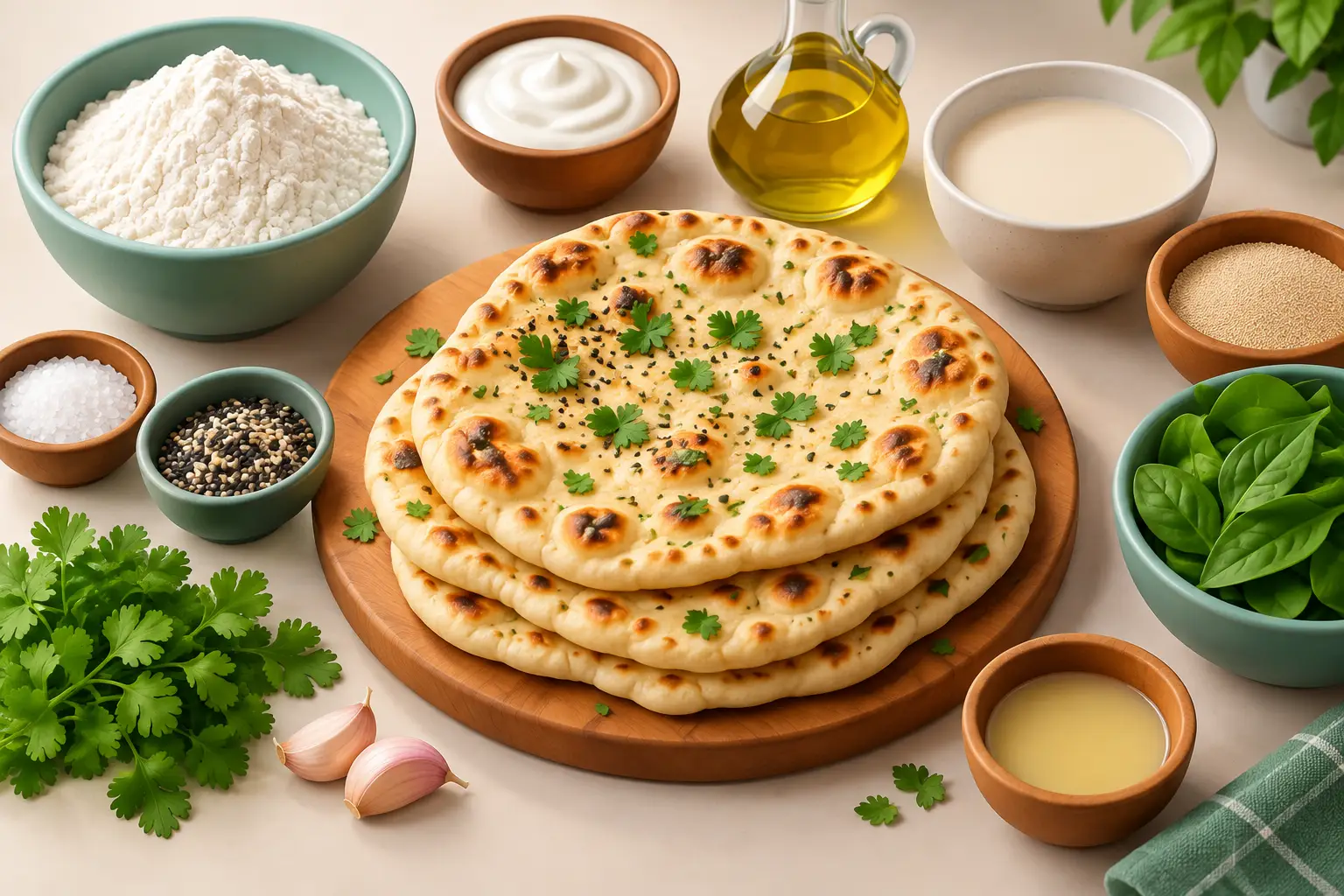
That same thinking matters in takeaway and delivery. A dish that is beautifully balanced in the kitchen should still arrive in good shape at home. Rice should stay fluffy. Bread should still feel fresh. Sauces should hold their texture. A reliable restaurant understands that convenience should not lower the standard.
The best menus offer comfort and choice
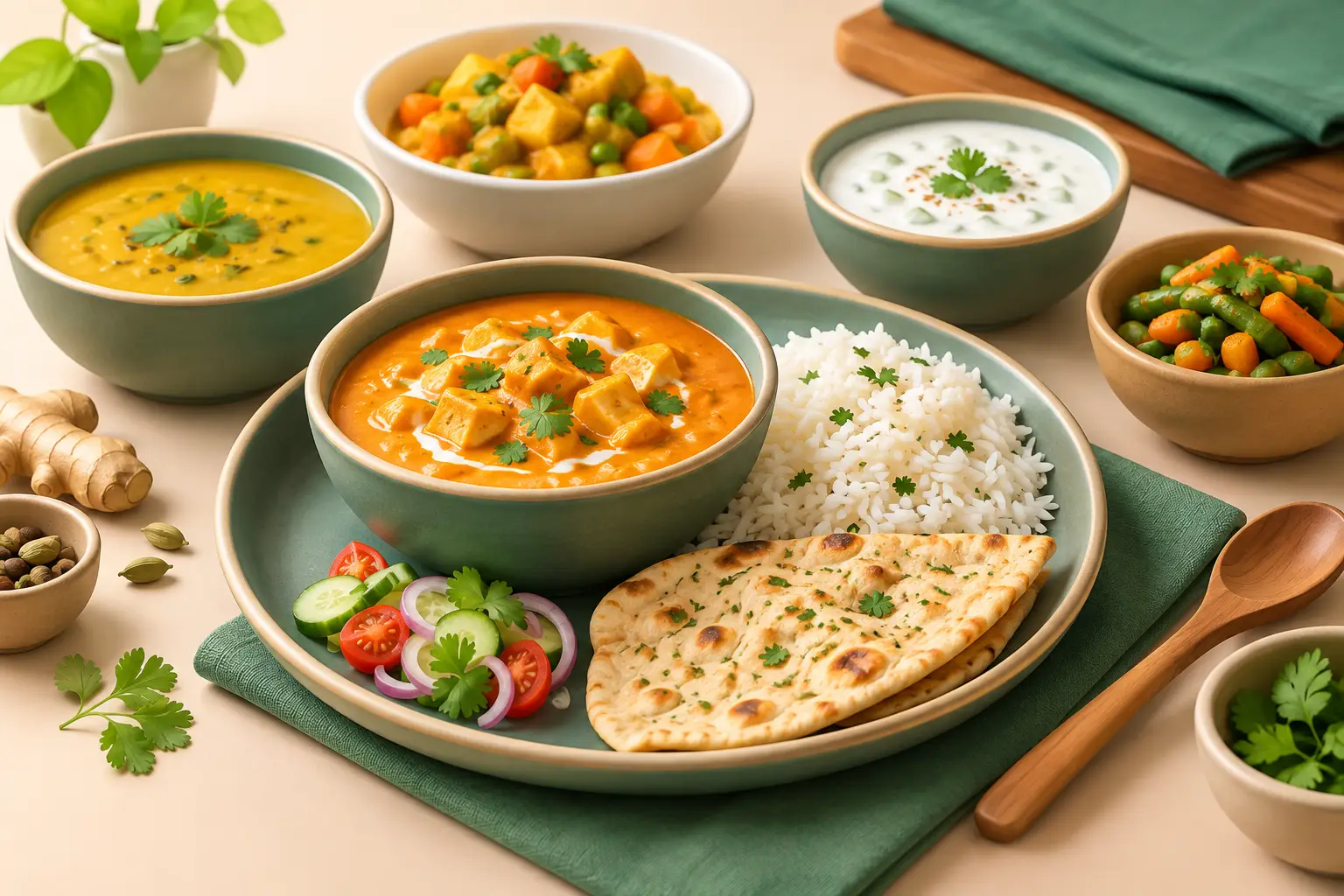
Most people have a favorite order. Maybe it is a rich curry, a smoky tandoori main, or a fragrant biryani with cooling sides. But a strong menu should do more than cover the familiar. It should give diners room to order according to the occasion, appetite, and dietary needs.
That is where modern Indian dining has become more interesting. A well-designed menu can still honor traditional recipes while also making space for grilled dishes, fresh salads, thoughtful vegetarian plates, vegan options, and gluten-free choices that feel intentional rather than added for appearance. The point is not to chase trends. It is to reflect how people actually eat now.
For couples, that might mean sharing lighter starters before moving to a classic main. For families, it might mean choosing a mix of mild and spiced dishes that keeps everyone happy. For professionals ordering in after a long day, it may be about finding something comforting that still feels clean and balanced. A dependable restaurant should be able to meet all of those moments without losing its identity.
Authenticity is more than tradition on paper
Authentic Indian food does not need to be stiff or old-fashioned. It simply needs to be grounded in real technique, real understanding, and real respect for the cuisine. That can show up in many ways: in the way spices are layered, in the timing of the cooking, in the quality of a marinade, or in a recipe that tastes like it has been refined over time rather than assembled from shortcuts.
There is also a difference between food that copies familiar curry-house expectations and food that genuinely reflects culinary heritage. The second has more character. You can taste the intention. It feels less generic and more personal.
At its best, a modern Indian restaurant does not ask diners to choose between authenticity and polish. It can offer both. Traditional recipes can be served in a setting that feels contemporary and welcoming. Classic dishes can be prepared with a more refined touch. Spice can be expressive without overwhelming everything else on the plate.
That balance is one reason local diners increasingly look for places that feel trustworthy as well as exciting. If a restaurant can deliver authenticity with consistency, it becomes part of your routine, not just somewhere you try once.
Service matters as much as the food
People remember how a restaurant makes them feel. Warm hospitality matters in the dining room, but it matters just as much when you are ordering for home. Clear communication, accurate delivery times, and a smooth ordering experience all shape whether customers return.
A neighborhood restaurant earns loyalty by being dependable. If you book a table, you want the welcome to feel natural. If you order online, you want confidence that the meal will arrive fresh and complete. If you are asking about allergens or dietary options, you want straightforward answers.
That reliability becomes even more valuable in busy local areas where people want one place they can count on for different occasions. A polished dinner for two, a relaxed family meal, a takeaway after work, or food for a small celebration all call for slightly different things. The best restaurants make those choices feel easy.
For diners across Putney and nearby neighborhoods, that kind of consistency often matters more than novelty. A trusted local spot does not need to reinvent itself every week. It needs to keep serving food that tastes excellent and feels cared for.
What to look for when choosing an indian restaurant
Start with the menu, but do not stop there. A promising restaurant usually shows confidence in its range. You should see classic dishes done properly, but also signs of attention to quality, freshness, and dietary inclusivity. If vegetarian, vegan, and gluten-free diners have real choices, that is often a good sign that the kitchen is thoughtful overall.
Then think about how you actually plan to use the restaurant. If you like to dine in, the atmosphere should feel comfortable and polished without being formal for the sake of it. If you mostly order takeaway or delivery, consistency becomes even more important. The food needs to travel well, portions should feel fair, and ordering should be simple.
Finally, trust your palate. Good Indian cooking has a certain confidence to it. It does not hide behind excess oil or one-note spice. It tastes fresh, balanced, and distinctive. You can tell when a dish has been made with skill.
That is exactly why places like Cilantro London resonate with so many local diners. The appeal is not just that the food is authentic. It is that the experience feels complete – refined cooking, lighter preparation, broad menu choice, and the kind of reliability that makes it easy to book a table or order online with confidence.
A really good Indian meal should leave you satisfied, not weighed down, and already thinking about what you want to order next time.