Friday at 7:30 p.m. is when most takeaway decisions fall apart. You want something comforting, full of flavor, and easy to order, but you do not want the heavy, oily feeling that often comes with it. That tension is exactly why the future of healthy takeaway matters. People are not giving up convenience. They are simply expecting more from it.
For restaurants, that shift is not a passing trend. It is changing what customers look for, what menus need to offer, and how takeaway is prepared, packed, and delivered. Healthy takeaway is no longer defined by a plain salad or a grilled protein added as an afterthought. It is becoming more thoughtful than that – balanced, satisfying food made with real care, proper ingredients, and enough depth of flavor to feel like dinner, not a compromise.
What the future of healthy takeaway really looks like
The future of healthy takeaway is not about removing pleasure from the meal. It is about keeping the pleasure while making the food feel fresher, lighter, and better judged. That means less unnecessary grease, better portions, cleaner ingredients, and dishes designed to travel well without losing their texture or character.
This is especially relevant in cuisines that have often been misunderstood through the takeaway lens. Indian food is a good example. At its best, it is layered, aromatic, vibrant, and naturally varied, with plenty of room for grilled dishes, lentils, vegetables, tandoori cooking, and balanced spice. Yet many diners still associate takeaway Indian food with heaviness. The restaurants that will lead the next phase of healthy takeaway are the ones that challenge that assumption through the food itself.
That does not mean every dish has to be low calorie or built around wellness language. Most customers are not searching for punishment food. They want choices that feel good to eat on a Wednesday night, after a long day, or when feeding the family without ordering three separate meals to suit different preferences.
Better ingredients will matter more than buzzwords
For years, food marketing leaned heavily on labels. Fresh. Clean. Guilt-free. Superfood. Some of that language still has its place, but customers are becoming better at spotting the difference between a menu that sounds healthy and one that is actually built with care.
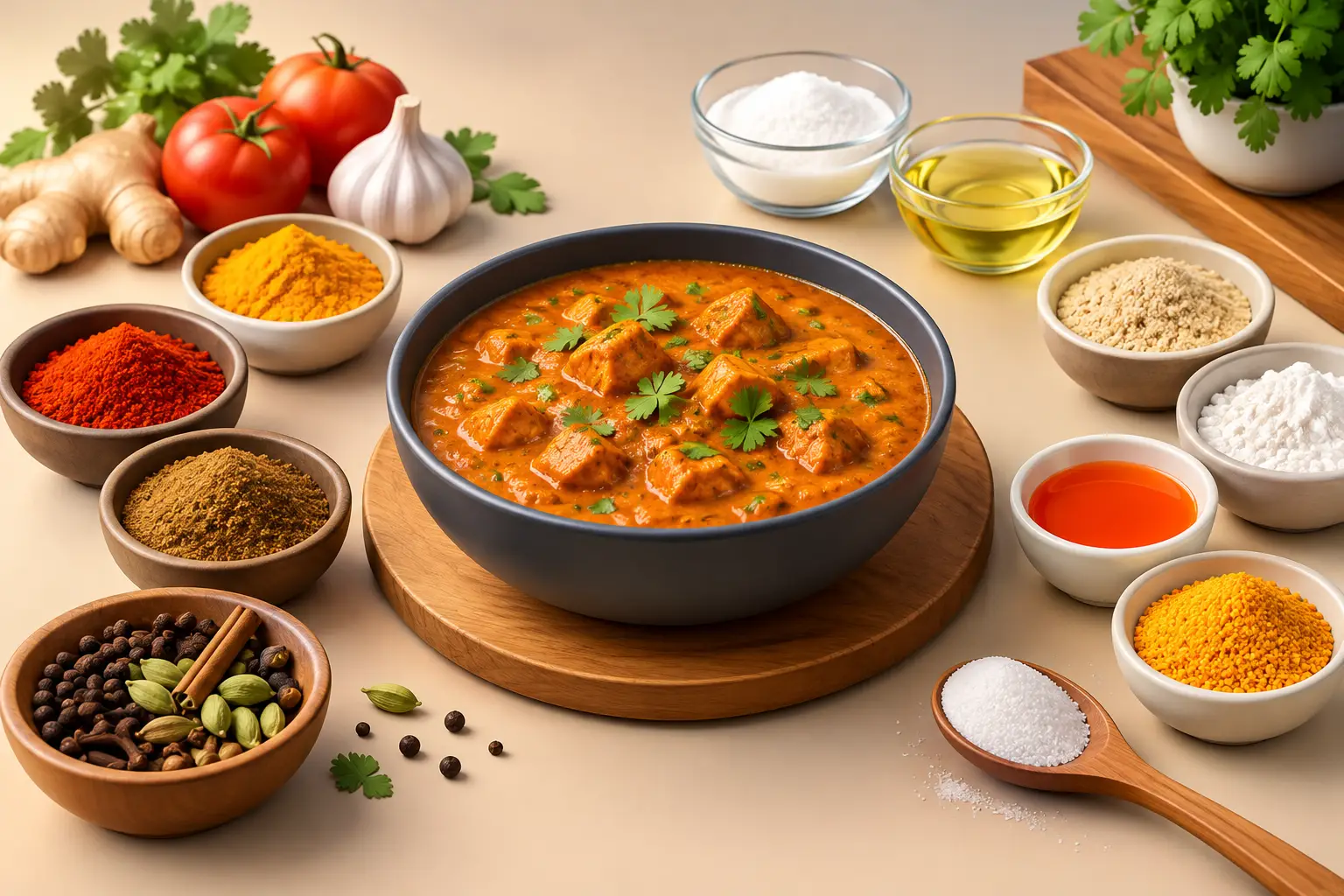
In practice, the future of healthy takeaway will be shaped by ingredient quality more than slogans. People notice when meat is well sourced, when vegetables still have color and texture, and when sauces taste freshly made rather than over-processed or overly sweet. They notice when a curry feels rich because of spices and slow cooking, not just because it is swimming in oil or cream.
That is where trust becomes central. If a local restaurant has a reputation for consistency, made-to-order preparation, and a more considered kitchen style, customers come back. They may not analyze every ingredient, but they can feel the difference between food that has been assembled for speed and food that has been cooked with real intention.
Healthy takeaway will become more personal
One of the biggest changes ahead is not only what is on the menu, but how flexible the menu becomes. Diners increasingly expect takeaway to fit around real life. That includes vegetarian and vegan options, gluten-free choices, lighter mains, protein-led dishes, and sides that do more than fill space on the order.
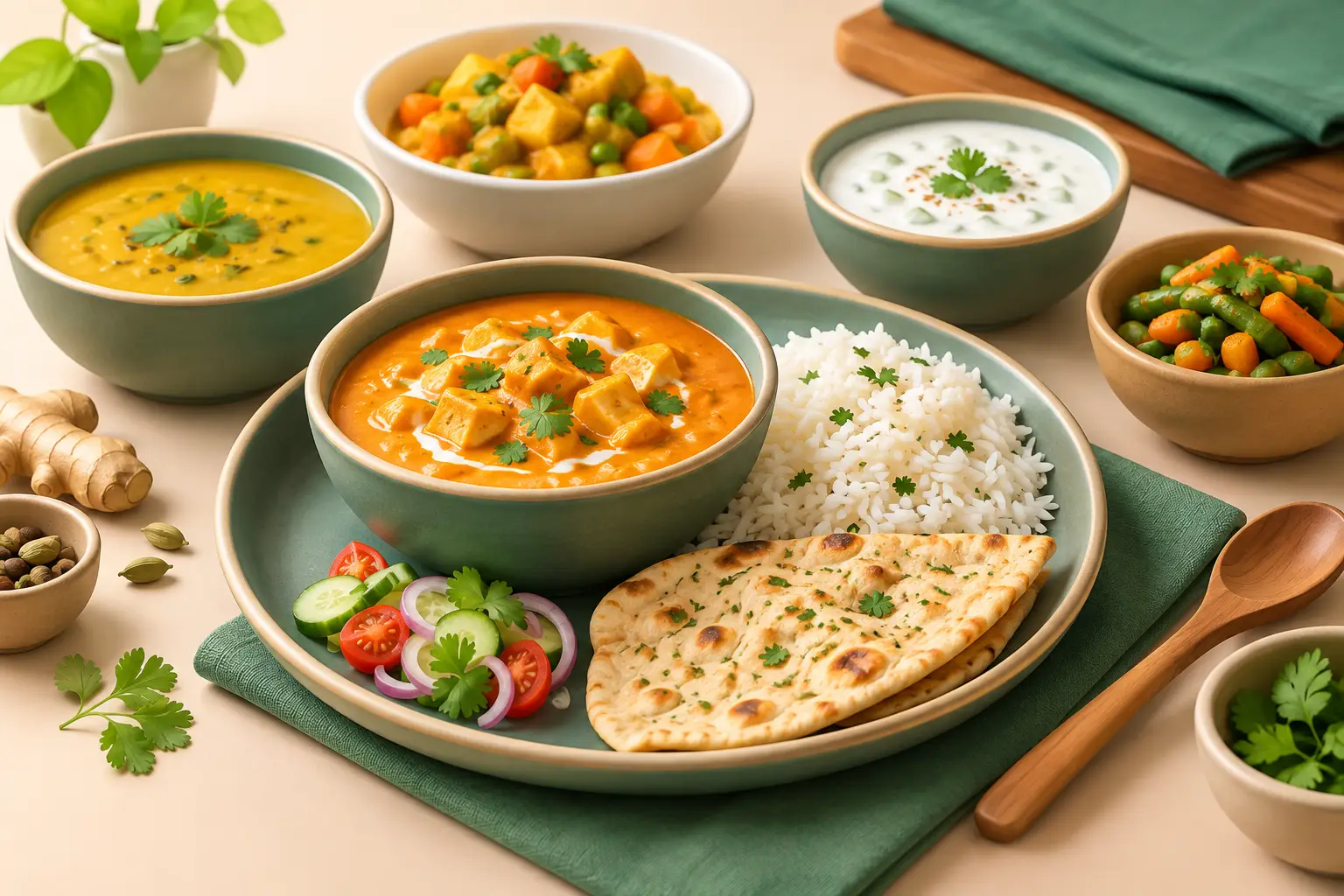
The strongest menus will not treat these needs as niche. They will build them in naturally. A household ordering together may include someone who wants a tandoori dish, someone who prefers a vegetable curry, and someone looking for a filling but lighter option that does not leave them sluggish. The restaurants that make those decisions easy will have the advantage.
There is a trade-off here, of course. Too much customization can slow service and make menus confusing. The answer is not endless swapping and complicated build-your-own systems. It is thoughtful design. A menu can feel flexible when the choices are already broad, balanced, and clearly explained.
Technology will shape the experience, not just the order
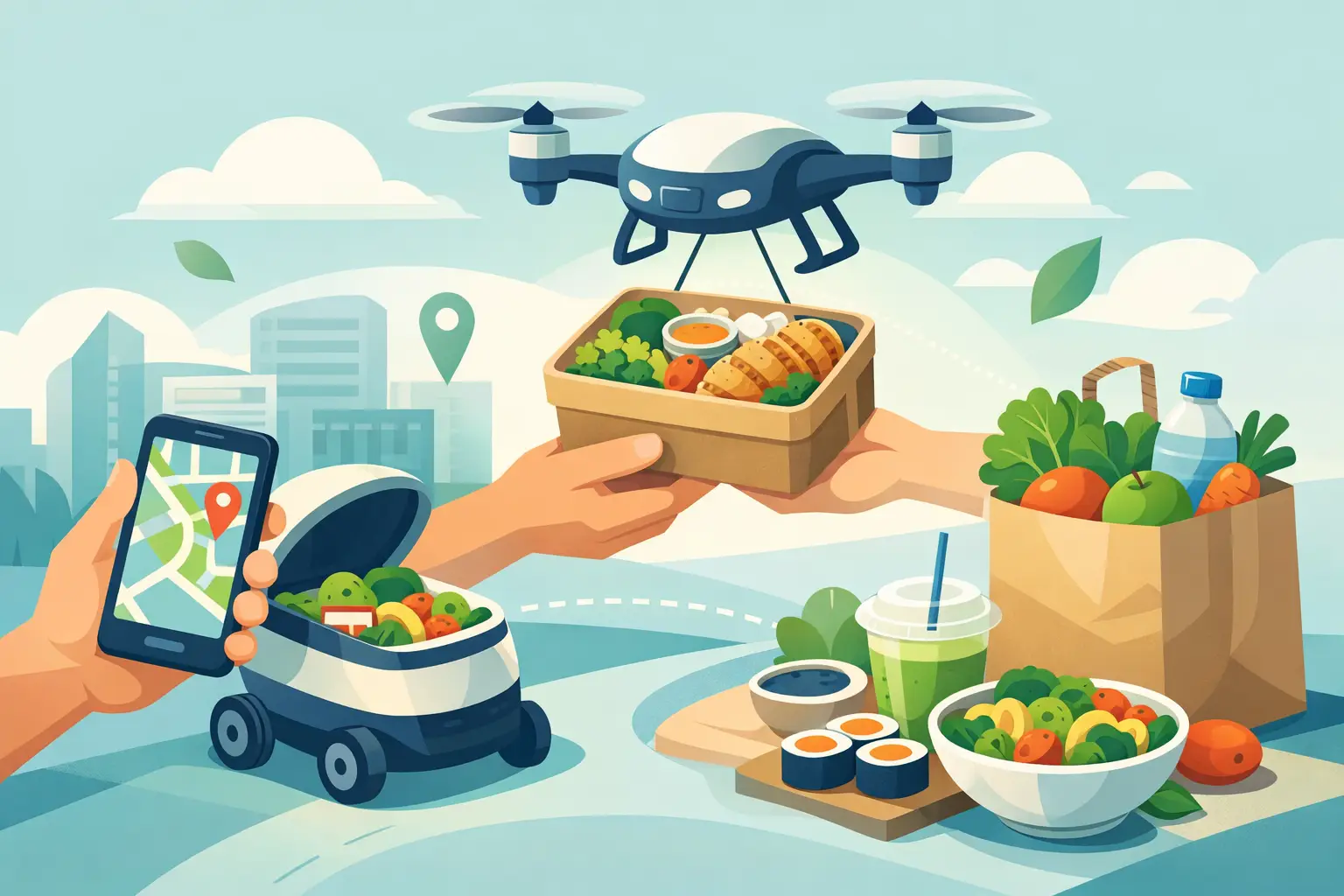
When people talk about takeaway innovation, they often focus on apps. But the real shift is wider than online ordering. The future of healthy takeaway depends on how technology supports better decisions from start to finish.
That can mean clearer menu descriptions, more accurate allergen guidance, and ordering systems that make it easier to choose dishes by preference or dietary need. It can also mean better kitchen coordination so food spends less time sitting before collection or delivery. Freshness is part of health, and timing matters more than many restaurants admit.
Packaging will play a role too. Food that arrives steamed into softness or leaking through the container rarely feels premium, no matter how good it tasted at the pass. Healthy takeaway should still feel restaurant-quality at home, and that requires packaging that protects texture, temperature, and presentation.
Customers may not think about these details every time they order, but they absolutely respond to them. A dish that arrives in good condition feels more polished, more trustworthy, and more worth repeating.
Why Indian food is well placed for this shift
Indian cuisine is uniquely suited to the future of healthy takeaway because it already has the range people are asking for. It can be hearty or light, plant-based or protein-rich, comforting or vibrant. The issue has never been the cuisine itself. It has been how some takeaway formats reduced it to a narrow set of heavy expectations.
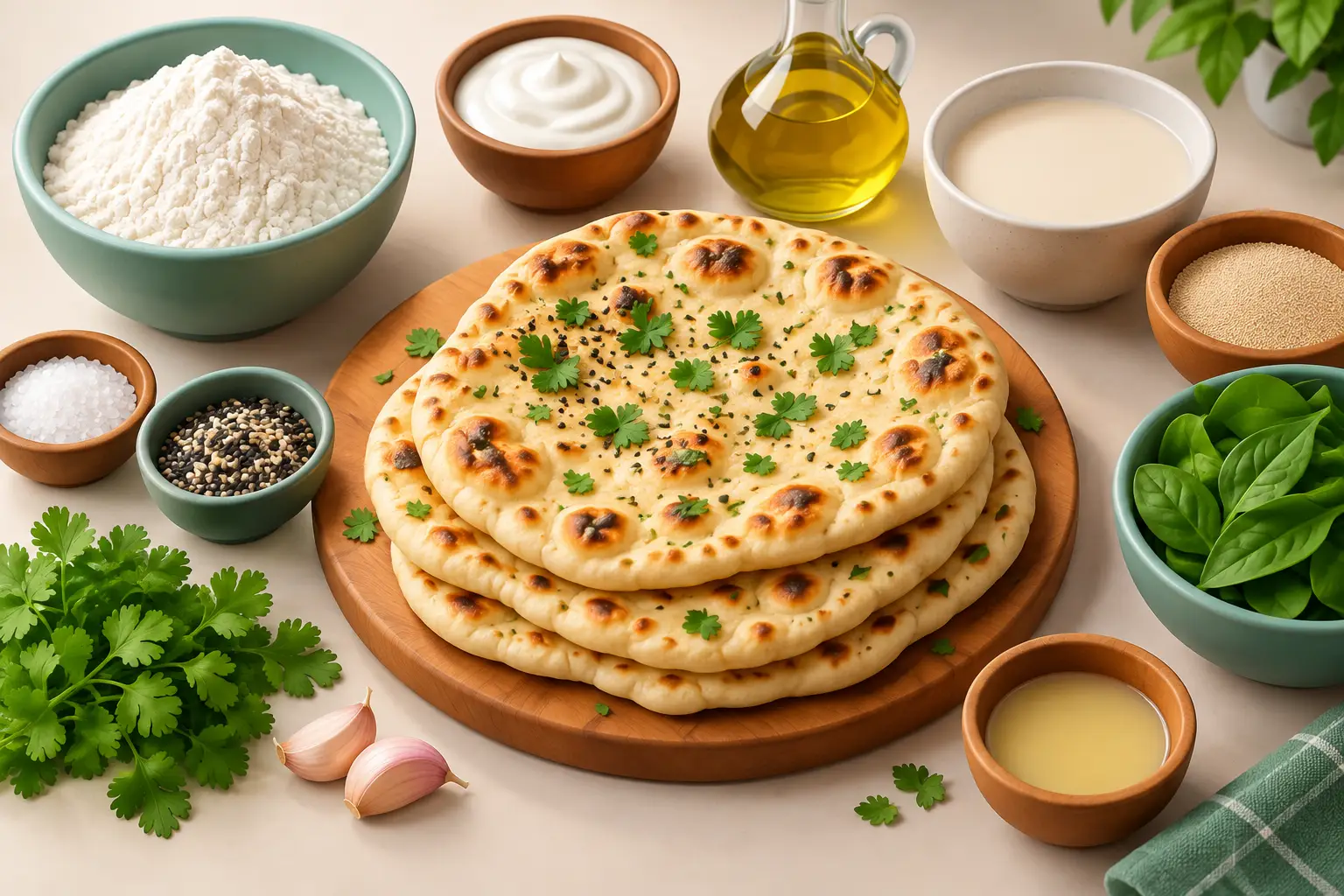
A more modern approach changes that. Tandoori dishes offer char, depth, and satisfaction without relying on excess richness. Lentil-based dishes bring comfort and substance. Vegetable curries can be vivid and complex rather than secondary options. Rice dishes, biryanis, and fresh sides can be portioned in a way that feels balanced rather than overwhelming.
This is where refined Indian takeaway has a real opportunity. When authentic recipes are paired with fresher preparation and a lighter hand, customers do not feel they are choosing between flavor and well-being. They get both.
That balance is becoming especially important for local diners who want restaurant-quality food at home. In places like Putney and nearby neighborhoods, the appeal is clear. People want convenience, but they also want the reassurance that their takeaway can still feel thoughtful enough for a quiet night in, a family dinner, or even an easy date night at home.
The restaurants that grow will be the ones that feel dependable
Trends attract attention, but reliability earns loyalty. The future of healthy takeaway will belong to restaurants that make customers feel safe ordering on a busy weeknight as well as for a planned occasion. That means consistency in flavor, sensible delivery standards, and a menu people can return to without feeling they have made a heavy compromise.
It also means understanding what healthy means to different people. For one customer, it may be a grilled main with salad. For another, it may be a satisfying curry made with fresher ingredients and less grease than expected. For a family, it may simply mean being able to order one meal that covers different dietary needs without sacrificing taste.
There is no single version of healthy takeaway, and that is a good thing. The best operators will not chase every wellness fad. They will focus on quality, balance, and dishes that genuinely deserve a place in regular life.
For brands built around authentic cooking with a fresher, more refined point of view, this is a strong moment. Cilantro London is part of that shift, showing that Indian takeaway can be full of comfort and character while still feeling lighter, cleaner, and carefully made.
Healthy takeaway has to earn the word healthy
Customers are becoming more selective, and rightly so. A healthy takeaway cannot rely on branding alone. It has to satisfy, travel well, suit modern routines, and leave people feeling good after the meal rather than weighed down by it.
That is where the category is heading: toward better judgment rather than restriction. More care in sourcing. Smarter cooking methods. More inclusive menus. Better portion balance. A stronger connection between convenience and quality.
And for diners, that is good news. Ordering in should not feel like lowering your standards. The best takeaway meals now offer the kind of comfort that fits real life – generous, flavorful, and made with enough care that tomorrow morning still feels as good as tonight’s dinner.