
A good Indian meal should leave you satisfied, not slowed down for the rest of the evening. That shift in expectation sits at the heart of modern indian dining trends, especially for diners who still want deep flavor, proper spice, and authentic recipes, but with a fresher, more balanced experience.
The old stereotype of Indian food as overly rich, heavy, or reserved for weekend indulgence no longer reflects what many customers actually want. People are ordering dinner after work, booking tables for midweek catch-ups, feeding families with different dietary needs, and looking for food that feels generous without feeling excessive. Indian restaurants that understand this are not watering the cuisine down. They are refining how it is prepared, presented, and served.
The shift behind modern indian dining trends
What has changed most is not the love for Indian food. It is the context in which people eat it. Diners are more informed, more selective, and more aware of how ingredients, cooking methods, and portion balance affect the overall experience.
For many customers, a meal now has to meet several standards at once. It should be full of character, made with care, and suitable for different occasions. A Friday night takeaway, a relaxed dine-in meal, a family dinner, and a quick online order after work all ask for something slightly different. Restaurants that succeed today recognize that convenience matters, but quality still decides whether someone comes back.
This is why the strongest modern Indian concepts feel flexible rather than fixed. They can offer a polished restaurant setting while also treating takeaway and delivery as extensions of the same standard, not lesser versions of it.
Lighter cooking, not less flavor
One of the clearest modern indian dining trends is the move toward lighter preparation. That does not mean removing richness where it belongs or stripping dishes of their identity. It means being more deliberate.
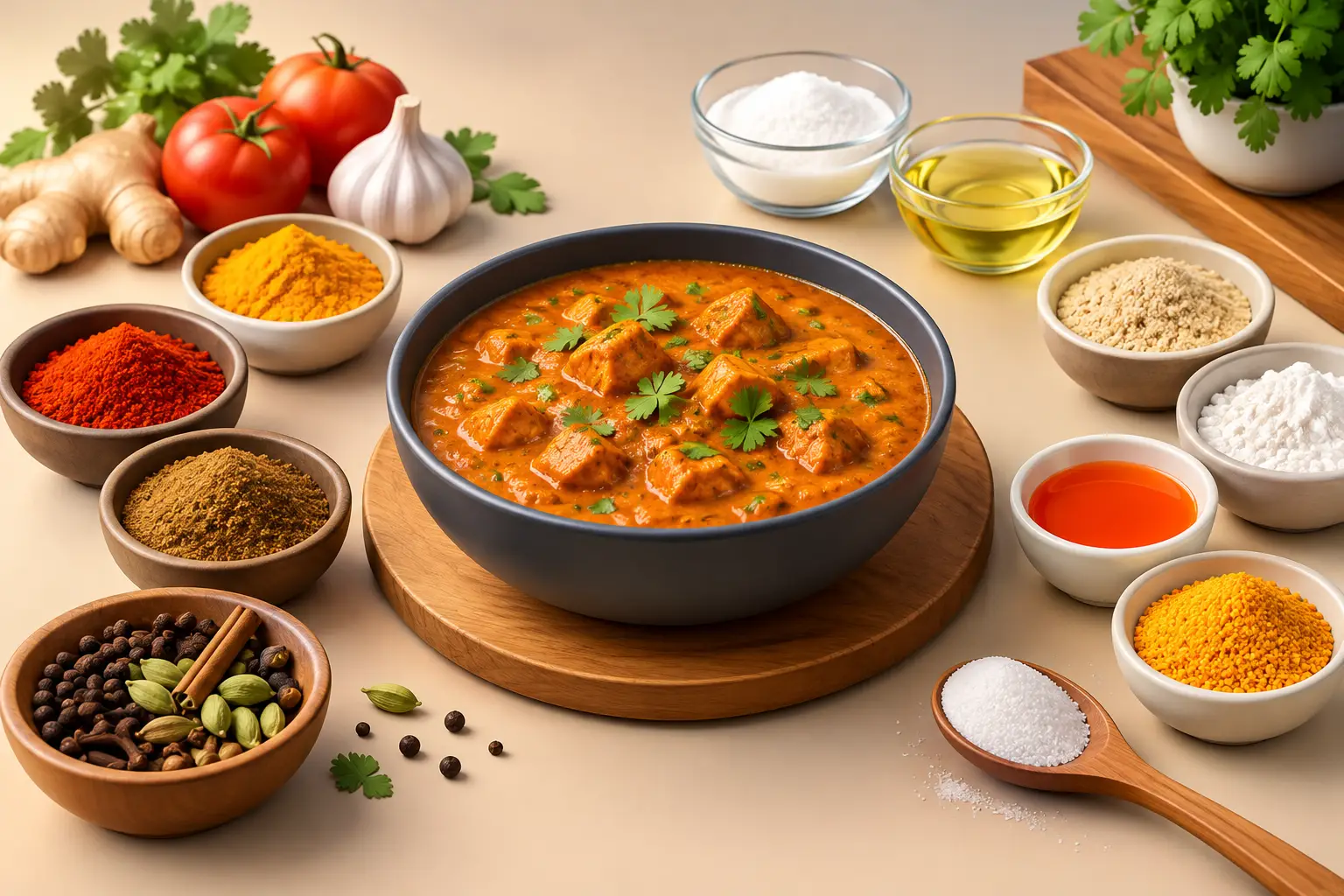
Sauces are less likely to rely on excess oil. Grilled dishes are valued not only for taste, but for their clean finish. Spicing is handled with more precision, so heat supports flavor instead of dominating it. Fresh herbs, citrus, ginger, and carefully layered aromatics create brightness that older curry-house formats often overlooked.
This matters because many diners want Indian food to fit into everyday life. They want to enjoy a biryani, tandoori salmon, dal, or a well-made curry on a Tuesday as easily as on a special occasion. A lighter hand in the kitchen makes that possible.
There is a trade-off, of course. Some diners still want the nostalgia of a thicker, heavier, old-school curry-house style. There is room for that. But for a growing number of people, especially professionals, couples, and families ordering regularly, freshness and balance are part of what makes the meal feel premium.
Menus are becoming more inclusive by design
Dietary flexibility used to be treated as an add-on. Now it is built into the core offer. That is one of the most practical changes in Indian dining.
Indian cuisine has always had the range to support vegetarian eating beautifully, but modern restaurants are taking that strength further. Vegan dishes are developed with intention rather than as afterthoughts. Gluten-free options are identified more clearly. Salads, grilled proteins, lentil dishes, and vegetable-led mains are presented as full choices, not compromises.
This shift reflects how people actually dine together. One table might include a vegetarian, someone avoiding gluten, a person trying to eat lighter, and another who wants a classic chicken tikka masala. A restaurant that can serve all of them confidently becomes far more useful and far more trusted.
For local diners choosing where to book a table or place an online order, this kind of inclusivity removes friction. It makes Indian food an easy yes for group dinners, office lunches, date nights, and family evenings at home.
Presentation matters more than it used to
There was a time when Indian takeaway could rely almost entirely on flavor. That is no longer enough. Customers increasingly expect food to look as considered as it tastes, whether they are dining in or opening containers at home.
Modern presentation is not about making Indian food overly precious. It is about showing respect for the ingredients and for the customer. Cleaner plating, better texture contrast, more thoughtful garnishing, and neater packaging all contribute to a more refined experience.
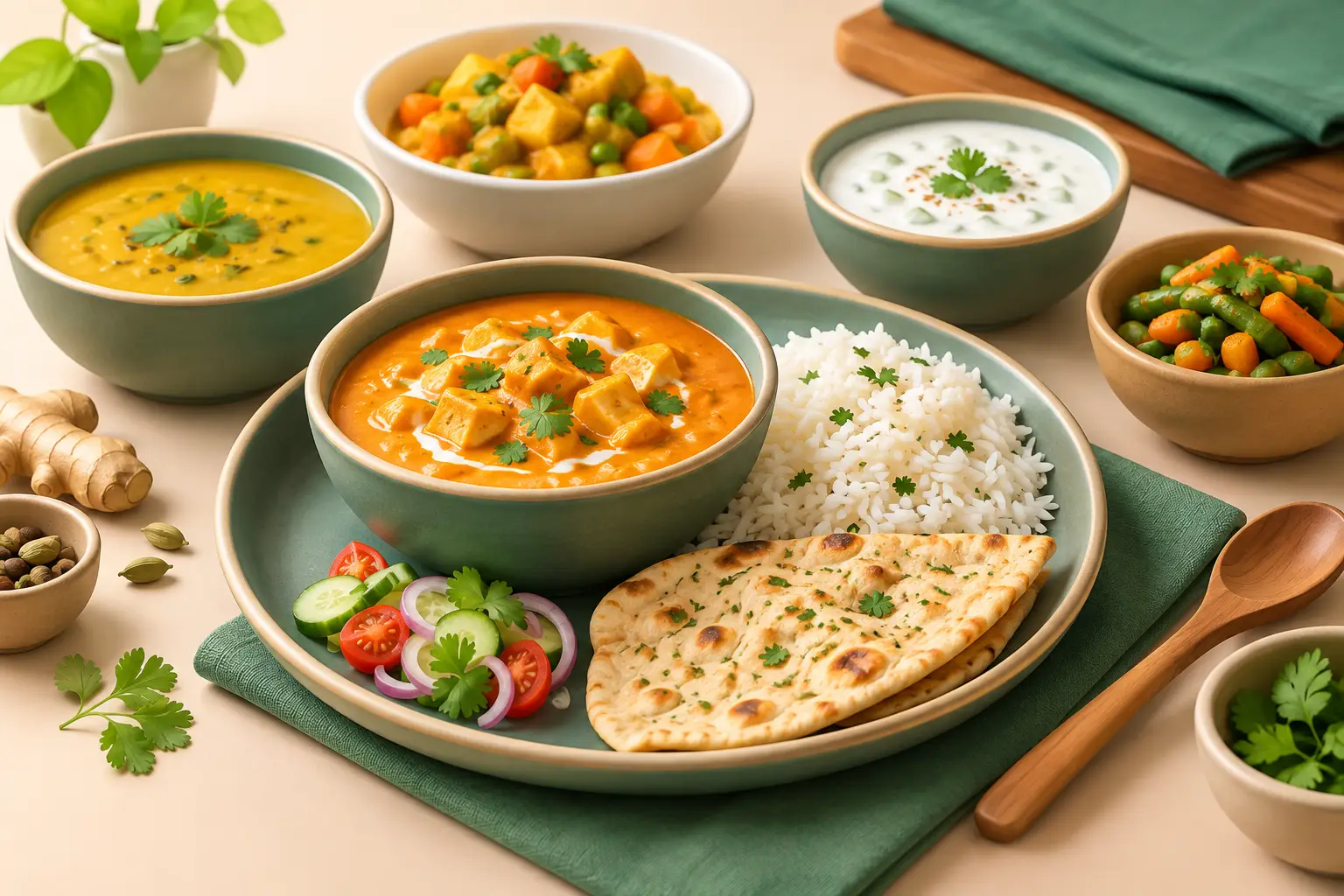
This has changed how people view the cuisine. A well-presented thali, a carefully finished tandoori dish, or a biryani that arrives fragrant and structured rather than compressed and soggy sends a clear message about standards. It tells diners that the restaurant cares about the full experience, not just speed.
That same principle applies to takeaway and delivery. Food that travels well, holds its integrity, and still feels restaurant-quality at home is now a major part of modern hospitality.
Convenience is now part of quality
One of the biggest changes in customer behavior is that convenience and quality are no longer seen as opposites. People expect both.
A modern Indian restaurant has to think beyond the dining room. Online ordering, collection, dependable delivery, and easy reservations all shape the customer relationship. If the food is excellent but ordering is frustrating, many diners will simply move on. If delivery is fast but inconsistent, trust fades quickly.
This is where refined neighborhood restaurants have a real advantage. They can offer the comfort and reliability of a local favorite while maintaining higher kitchen standards than the average takeaway model. For customers in areas like Putney and nearby neighborhoods, that combination is especially valuable. They want a meal that feels special enough for guests but easy enough for a weeknight.
At its best, convenience supports hospitality rather than replacing it. It allows the restaurant to meet customers where they are, whether that means a relaxed table for two or dinner delivered after a long workday.
Regional identity is becoming more visible
Another welcome development is that Indian food is being spoken about with more specificity. Instead of flattening the cuisine into a few familiar curries, better restaurants are highlighting regional techniques, distinct spice profiles, and cooking traditions with more confidence.
That does not always mean highly niche menus. In fact, many diners still want recognizable favorites. The difference is that those dishes are being prepared with greater care, better sourcing, and more respect for their origins. The result feels more authentic without becoming inaccessible.
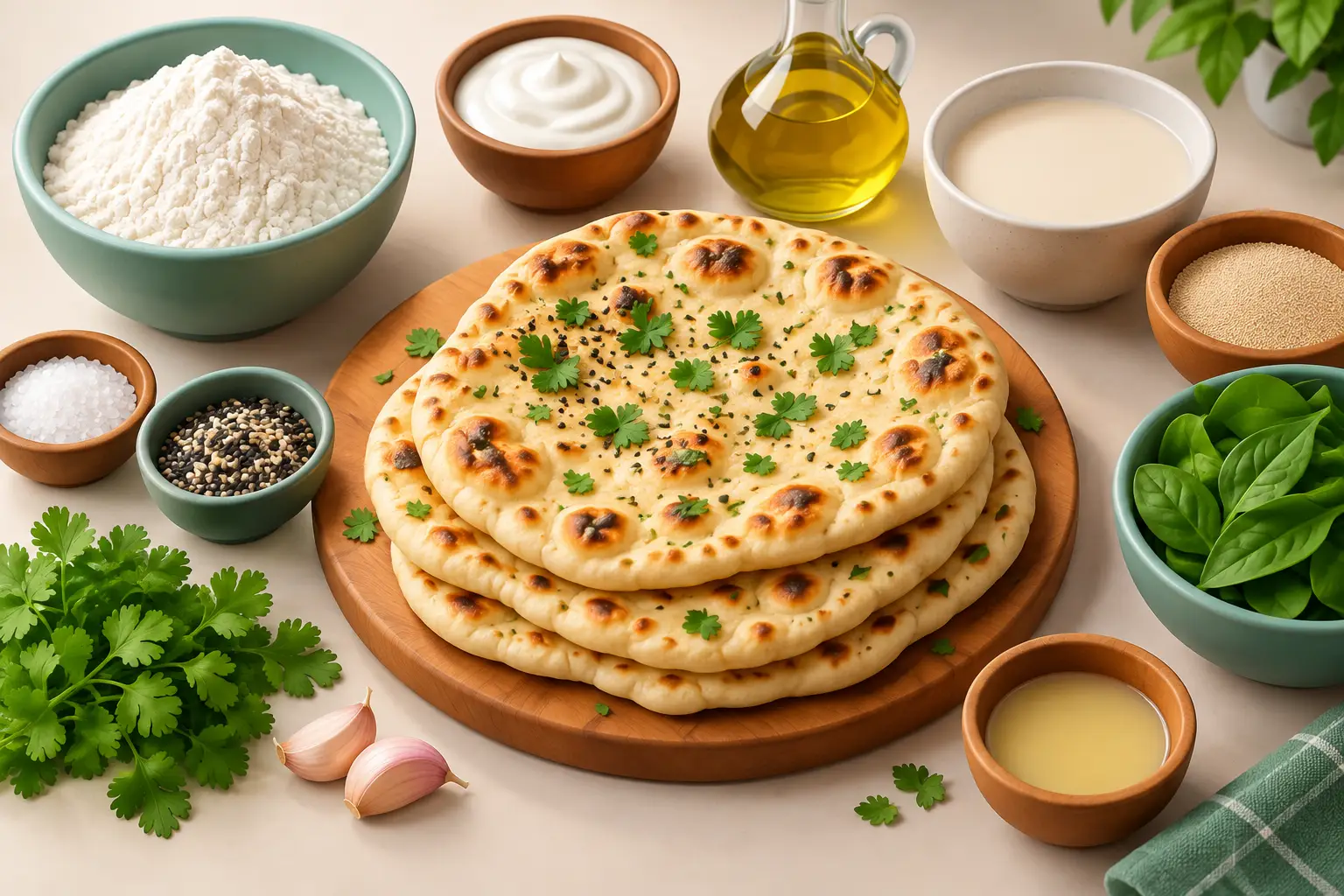
This is an important balance. A menu should not require a lecture to be enjoyed. But when chefs bring more depth and credibility to classic dishes, customers can taste the difference. Marinades feel more layered. breads arrive with better texture. Vegetarian dishes feel as complete as meat dishes. Rice and sides are treated as part of the meal, not fillers around it.
That attention to detail is often what turns a one-time customer into a regular.
Wellness is influencing choices, but not replacing pleasure
Wellness now shapes dining decisions across nearly every cuisine, and Indian food is no exception. People are paying more attention to ingredient quality, cooking fats, protein choices, and how they feel after a meal.
The smart response is not to market everything as healthy and hope for the best. Diners are too experienced for that. What they respond to is food that feels freshly made, sensibly balanced, and honest about what it is.
A tandoori dish with a crisp salad, a thoughtfully made lentil curry, or a lighter tomato-based sauce can appeal to wellness-minded diners without losing the comfort that makes Indian food so satisfying. At the same time, there is still plenty of room for indulgent orders. The point is choice.
That range matters because modern dining habits are inconsistent by nature. The same customer may want something nourishing on a Wednesday and something celebratory on a Saturday. Restaurants that understand both moods are better positioned to stay relevant.
Why these trends matter for local diners
Trends only matter if they improve the actual experience. In this case, they do.
For customers, modern Indian dining means fewer compromises. You do not have to choose between authenticity and lighter cooking, between convenience and quality, or between a polished meal and a practical one. You can expect more from your local restaurant, and the best ones are already responding.
For a business like Cilantro London, this approach makes sense because it reflects how people genuinely want to eat now. Freshly prepared dishes, thoughtful options for vegetarian and gluten-free diners, and a dining experience that works just as well for takeaway as it does for a table reservation are not passing fads. They are signs of a restaurant paying attention.
The real opportunity in modern Indian dining is simple. It allows a cuisine people already love to fit more naturally into everyday life without losing its soul. And that is exactly the kind of change worth coming back for.