Friday at 7:30 p.m. is when good intentions often meet a full dining room. If you are searching for how to book indian table reservations without the usual back-and-forth, a little planning makes the whole experience smoother. Whether it is a relaxed weeknight dinner, a family meal, or a date night you want to get right, booking ahead helps you enjoy the meal instead of worrying about availability.
Indian dining is rarely just about grabbing a quick bite. People book for birthdays, catch-ups, business dinners, and the kind of midweek meals that deserve more than an afterthought. That is why it helps to approach your reservation with a bit of clarity. The goal is simple – get the table you want, at the time you want, with the right details already in place.
How to book indian table reservations with less hassle
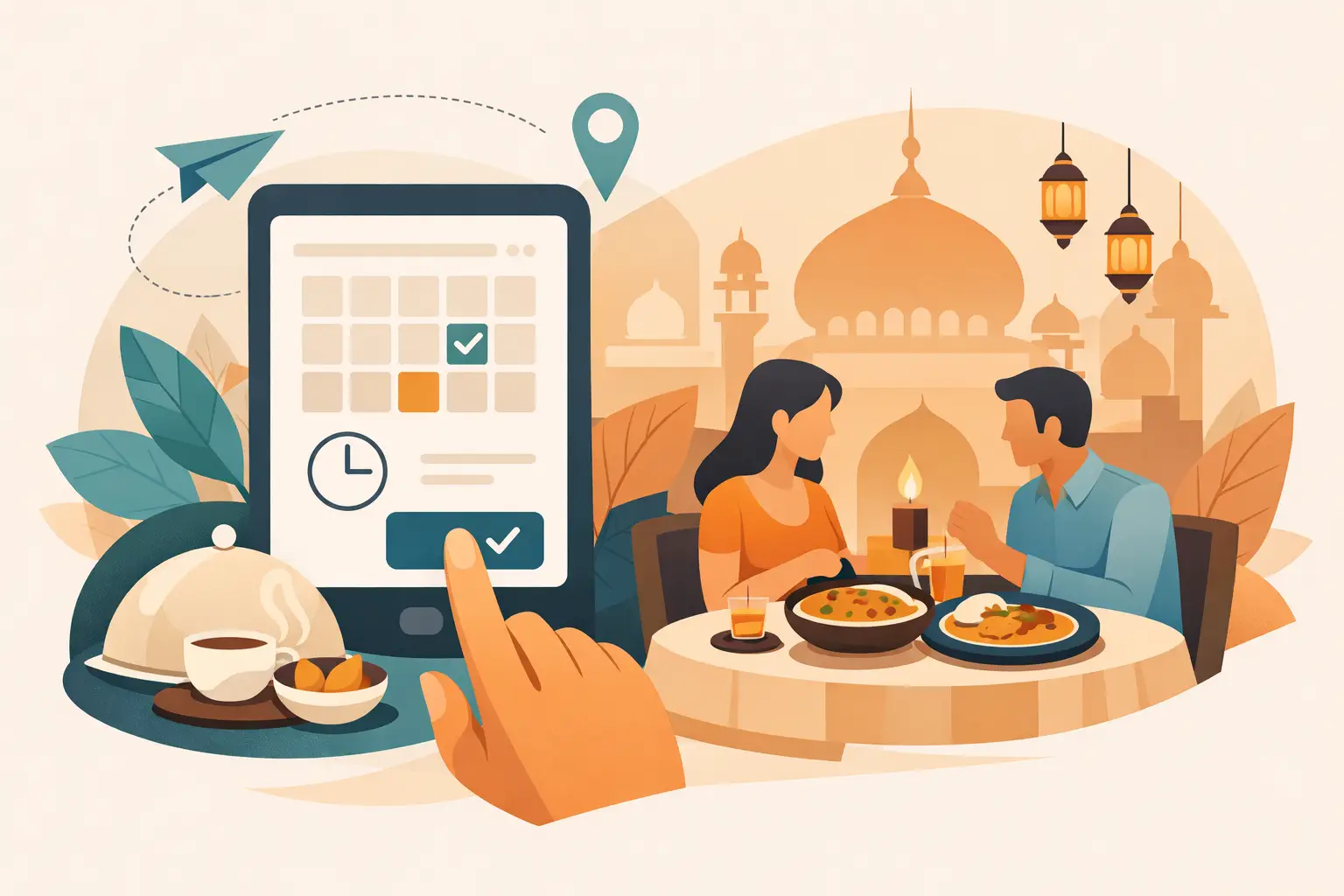
The easiest way to book is usually through a restaurant’s own reservation system. It is fast, direct, and gives you a clearer view of real-time availability. If online booking is available, use it. You can often choose your date, time, and party size in under a minute, which is ideal when you are booking during a busy workday or making plans on the go.
Phone reservations still have their place, especially if your booking is a little more specific. If you need a quieter table, have a larger group, want to mention a celebration, or need to check dietary requirements, calling can save time later. A quick conversation can also help you gauge how the restaurant handles requests and whether the team is comfortable accommodating them.
For smaller bookings, either option works well. For groups, it depends. Some restaurants prefer larger parties to call so they can manage spacing, service flow, and any special arrangements. If you are organizing dinner for six or more people, expect the restaurant to ask for a few more details before confirming.
Choose the right day and time
One of the biggest factors in how easy it is to secure a table is timing. Friday and Saturday evenings fill quickly, particularly between 7 p.m. and 9 p.m. If you know you want that prime dinner slot, book early. Waiting until the day itself can work, but it is more of a gamble than a plan.
If you have flexibility, earlier or later reservations are often easier to get. A 6 p.m. table can be ideal for families or anyone who wants a more relaxed pace, while a 9 p.m. booking may suit couples or smaller groups who do not mind a later evening. Midweek is usually more forgiving too, especially for spontaneous plans.
This matters even more around holidays, school breaks, and local event nights. In neighborhoods with a strong dining scene, tables can disappear faster than expected. Booking ahead gives you more choice, not just on availability, but on the overall atmosphere you want.
Know your group size before you reserve
Restaurants need accurate numbers to seat guests comfortably and keep service running well. If you book for four and arrive with six, that can create delays for everyone. If there is a chance your group may change, mention it when you book. Most restaurants will appreciate the heads-up and may be able to advise on the best way to handle it.
For couples and small groups, reservations are usually straightforward. For larger gatherings, clarity matters more. Some restaurants may need to split the table, offer a set dining area, or suggest a different time. None of that is a problem when expectations are clear from the start.
Children should be included in the party count as well. It sounds obvious, but it is often overlooked. High chairs, stroller space, and family seating all affect table planning.
Share dietary needs when you book
A modern Indian restaurant menu often has plenty of choice for vegetarian, vegan, and gluten-free diners, but that does not mean every request should wait until you are seated. If someone in your group has an allergy or specific dietary need, mention it during the booking process.
This is one of the easiest ways to make the meal feel more relaxed from the start. The kitchen gets advance notice, the front-of-house team can guide you better, and your group spends less time sorting through logistics at the table. It is especially helpful if your booking includes mixed preferences, like one vegan guest, one guest avoiding dairy, and someone else looking for lighter dishes.
There is a difference between preference and medical need, so be specific. If something is an allergy, say so clearly. That helps the restaurant prepare with the right level of care.
Special occasions deserve a note
If the reservation is for a birthday, anniversary, or family celebration, add that detail when booking. You do not need to overstate it, but a brief note can help the team create a warmer experience. Restaurants appreciate knowing the context of the visit, particularly if you want the meal to feel a little more special.
The same goes for business dinners or first-time visits. A polished restaurant experience often comes down to thoughtful small touches, and those are easier to deliver when the team knows what kind of evening you are planning.
What to check before you confirm
When people think about how to book indian table reservations, they often focus only on whether a table is available. That is important, of course, but it is not the only thing worth checking. Confirmation matters just as much.
Make sure you have the right date, time, and number of guests. If you booked online, look for a confirmation email or text. If you called, it is fine to repeat the details back before ending the conversation. A ten-second check can save an awkward mix-up later.
It also helps to review practical details that affect the evening itself. Think about parking, travel time, and whether everyone in your group can arrive together. If one person is running late, some restaurants will hold the table for a short period, but not indefinitely during busy service. If plans change, call and let them know. That simple courtesy gives the restaurant a chance to adjust.
Booking for dine-in versus ordering in
Sometimes people search for a reservation when what they actually want is confidence that dinner is sorted. If you are craving Indian food but your evening is looking rushed, ordering in may make more sense than trying to secure a peak-time table.
A good local restaurant should offer both options well. Dine-in works when you want atmosphere, service, and a slower meal. Takeaway or delivery works when convenience matters most. The right choice depends on the occasion, your schedule, and the kind of experience you want that night.
For local diners in and around Putney, Roehampton, Barnes, and nearby neighborhoods, that flexibility can make a real difference. Some nights call for a table and a proper evening out. Other nights call for restaurant-quality food at home without the heaviness of a standard takeaway.
If you cannot get the time you want
A fully booked restaurant is not always a dead end. Ask about the nearest available time rather than giving up immediately. Shifting by 30 or 45 minutes is often enough to make the booking work. You can also ask whether there is a waiting list in case of cancellations.
Another smart option is to book a slightly earlier table and enjoy the restaurant at a calmer pace. This can be particularly appealing if you value attentive service and a more relaxed dining room. Prime-time bookings are popular for a reason, but they are not automatically the best experience for every guest.
If the restaurant is one you have had your eye on for a while, booking a day or two ahead usually gives you far better odds. At Cilantro London, for example, reserving in advance is the simplest way to enjoy a polished Indian meal without leaving your evening to chance.
Good booking habits make for a better meal
Restaurants notice the guests who communicate clearly. Booking with accurate details, arriving on time, and updating the team if anything changes helps create a smoother experience on both sides. It is not about formality. It is about making sure your table, your food, and your evening line up properly.
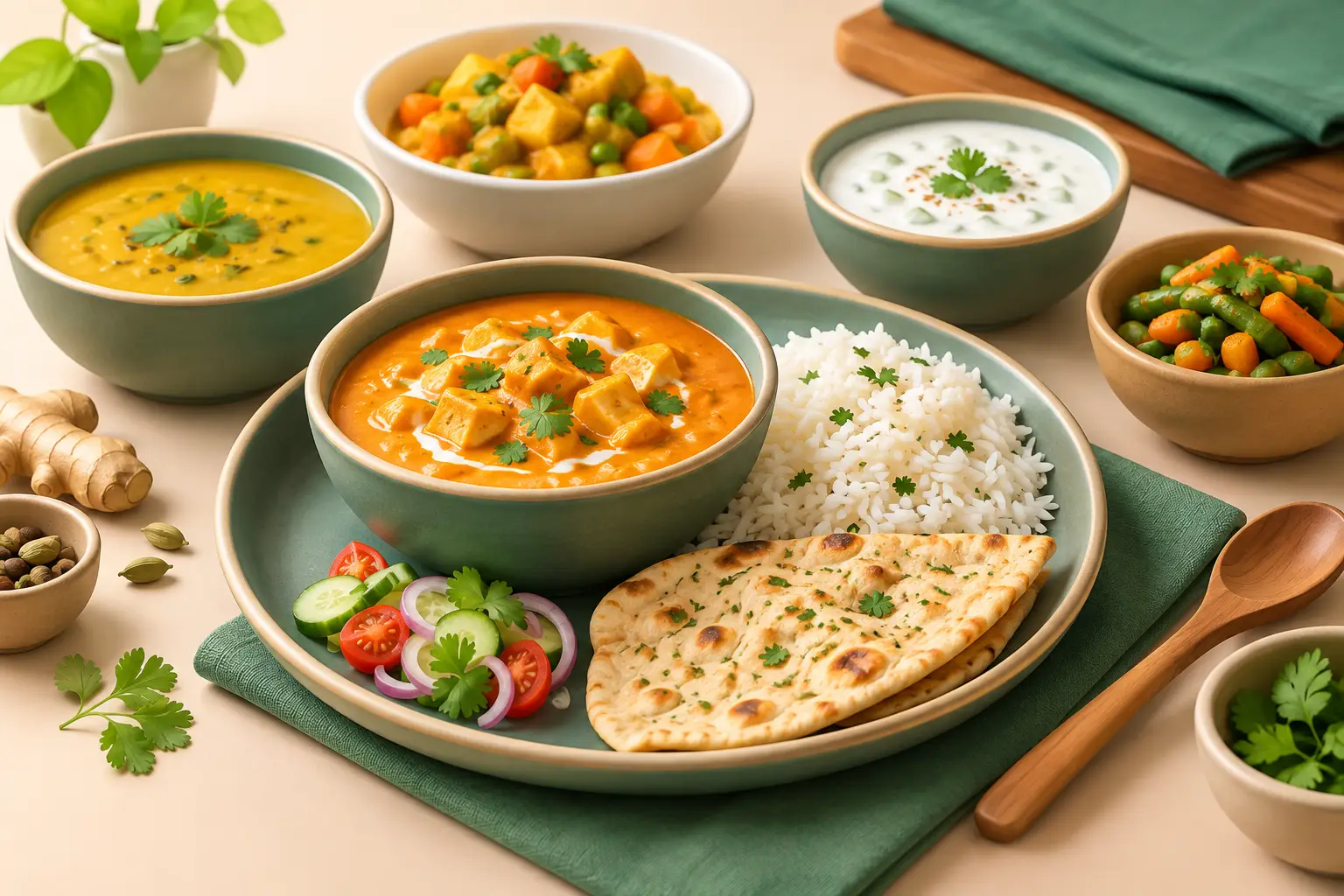
That matters even more with Indian dining, where meals are often shared, courses can be paced around the table, and preferences vary from person to person. A little preparation leads to a more comfortable, more enjoyable meal from the first welcome to the last bite.
If you are wondering how to book indian table reservations well, the answer is refreshingly simple: choose your time early, share the details that matter, and confirm everything properly. Then all that is left to do is arrive hungry and enjoy the kind of meal that feels worth leaving home for.