Some nights call for more than a plastic tub of oily curry and a pile of rice that tastes like an afterthought. If you are ordering in after work, planning a quiet dinner at home, or feeding the family without cooking, restaurant quality Indian delivery should feel like a proper meal – freshly made, balanced, and worth looking forward to.
That difference starts long before the food reaches your door. Good Indian delivery is not just about speed. It is about whether the kitchen cooks with care, whether the spices are layered rather than blunt, and whether the dishes arrive tasting like they were made for dinner, not mass production. For many local diners, that is the gap between a standard takeaway and a meal you would happily serve to guests.
What restaurant quality Indian delivery really means
The phrase gets used loosely, but real restaurant quality Indian delivery has a few clear signs. The food should taste fresh, not tired. Sauces should be rich and rounded without being greasy. Tandoori dishes should still have character and smokiness. Rice should be light and fragrant. Even simple sides should feel considered.
There is also a difference in how the meal sits with you afterward. A lot of people love Indian food but hesitate to order delivery because they expect it to be too heavy. A better kitchen proves that authentic flavor and a lighter finish can exist together. That means using quality ingredients, cooking to order, and avoiding the excess oil and sugar that can flatten a dish.
For diners in Putney and nearby neighborhoods, this matters because delivery is often replacing a night out. It is not just convenience food. It is dinner for a date night, a family evening, a midweek reset, or a meal shared with friends. If it is taking the place of a restaurant visit, it should meet a restaurant standard.
Why standard takeaway often falls short
The usual problem is not the cuisine itself. Indian food is incredibly varied, vibrant, and balanced when it is prepared well. The issue is the shortcut culture that crept into parts of the takeaway market. Too much oil, overly sweet sauces, reheated bases, and rushed preparation can make different dishes taste strangely similar.
That is why one bad experience can put people off ordering for a while. You might want a comforting curry, but not if it arrives heavy, salty, and one-note. You might want tandoori chicken, but not if it is dry from sitting too long before dispatch. You might want biryani, but not if the rice and meat were never given the care that dish deserves.
Restaurant quality delivery avoids those compromises. It respects the dish. It respects the customer. And it understands that convenience should not mean lowered expectations.
The kitchen choices that make the difference
Great delivery starts with the menu, but it is the cooking that earns trust. Fresh herbs, carefully sourced meat and vegetables, and spice blends used with purpose all matter. So does timing. Food that is cooked to order will nearly always travel better than food assembled from pre-made components.
Indian food is especially sensitive to balance. A curry needs body, but not sludge. Heat should build with the other flavors, not dominate them. Grilled dishes need moisture and color. Lentils should be comforting and deep, not dull. These are not small details. They are the difference between food that feels premium and food that simply fills a gap.
This is where a more thoughtful, modern Indian kitchen stands out. Lighter preparation does not mean watered-down flavor. It means precision. It means using enough oil to carry the spices, not so much that every dish tastes weighed down. It means marinades that tenderize and season. It means sauces with depth rather than excess.
Restaurant quality Indian delivery for different kinds of nights
One of the strengths of Indian food is how well it fits different occasions. The same order should not feel one-dimensional whether you are eating alone on the sofa or setting the table for friends.
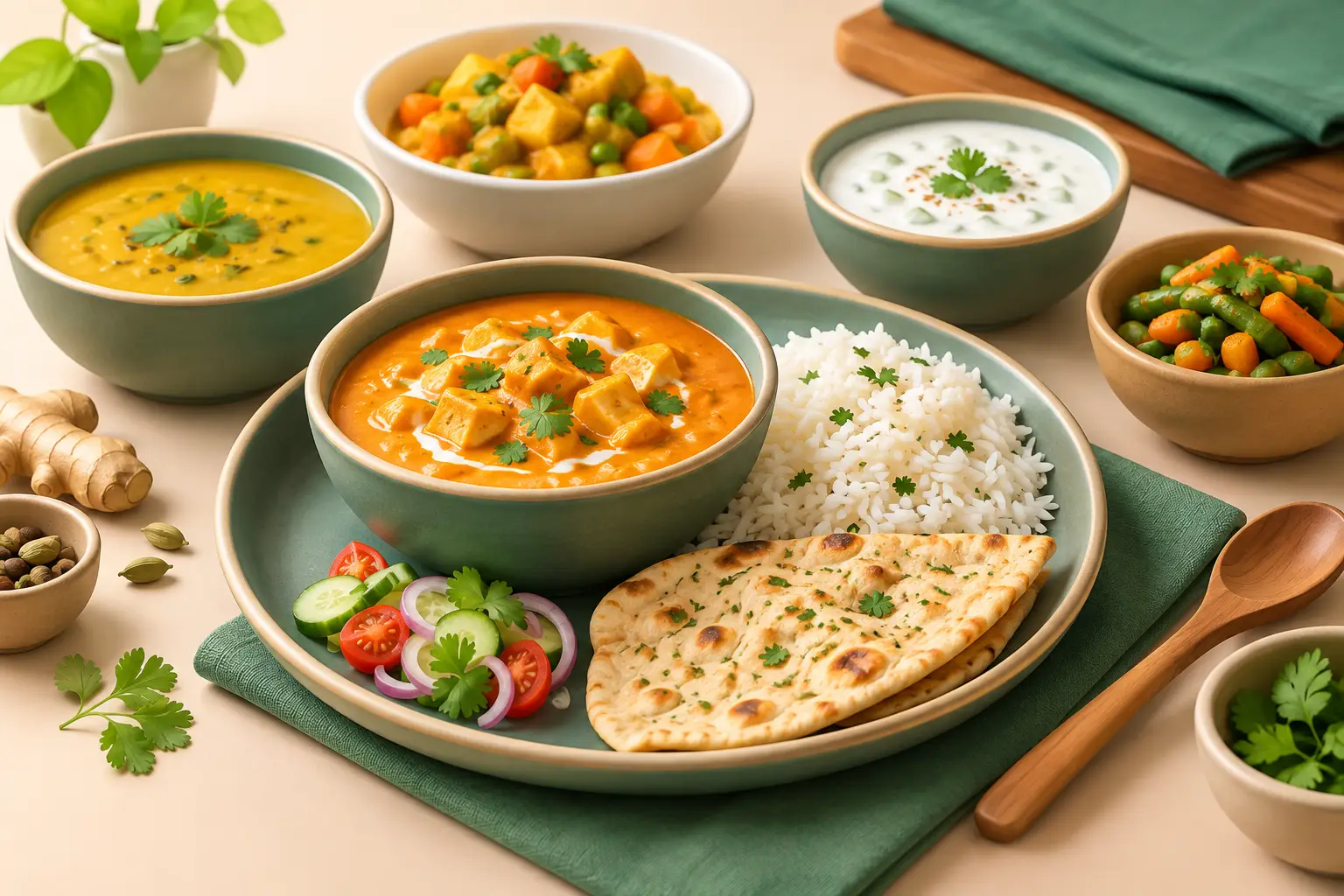
For a quiet midweek dinner, people often want comfort without the heaviness. A grilled starter, a balanced curry, and a fresh rice dish can satisfy without feeling overdone. For couples, the appeal is usually variety. You can share a tandoori dish, contrast a richer curry with something brighter, and build a meal that feels a little special without leaving home.
Families often value reliability most. They want food that arrives hot, portions that make sense, and a menu with enough range for different tastes and dietary needs. That includes mild options, vegetarian choices, and dishes that still feel properly made rather than like token menu fillers. Office meals and small celebrations bring another need – consistency at scale. It is one thing to cook one excellent curry. It is another to send out several meals that all arrive with the same care.
Health-conscious does not mean less satisfying
A lot of diners are looking for Indian food that feels cleaner and more balanced. They still want the comfort, fragrance, and depth of a proper curry or biryani, but they do not want the sluggishness that can come with careless preparation.
That is where restaurant quality Indian delivery becomes especially valuable. A well-run kitchen can offer authentic dishes that feel fresher and more refined. Leaner proteins, thoughtful vegetarian options, grilled dishes from the tandoor, and curries made without unnecessary heaviness all help create that balance.
This also matters for mixed groups. One person may want a classic favorite, another may be vegan, and someone else may need a gluten-free option. A premium Indian takeaway should make those choices feel easy, not like compromises. The best menus do not isolate dietary requirements from flavor. They build them into the same standard of cooking.
How to spot a better Indian delivery option
If you are choosing where to order from, a few signs are worth paying attention to. First, look at the range. A thoughtful menu usually has depth without trying to be everything to everyone. You want to see classic dishes done well, not endless repetition under different names.
Second, consider whether the menu suggests freshness and made-to-order preparation. Tandoori specialties, balanced vegetarian dishes, and carefully built biryanis often signal a kitchen that takes pride in cooking rather than just assembling. Third, notice whether the brand speaks confidently about quality, sourcing, or chef expertise. That does not guarantee excellence, but it often reflects higher standards behind the scenes.
Reviews and reputation matter too, although the right fit depends on what you value. Some diners care most about speed. Others care about lighter cooking, consistency, or a polished feel. Restaurant quality Indian delivery is usually not about one single feature. It is about the whole experience being handled with care.
Why local trust matters
When people find a dependable Indian restaurant nearby, they tend to come back often. That is because delivery is personal. You remember who got your Friday night dinner right, who delivered for a birthday meal, and who made it easy to order for a family night without second-guessing the quality.
For local areas like Putney, Roehampton, Barnes, and Richmond, trust often grows from that repeated experience. You know the food will arrive as expected. You know the flavors are consistent. You know there will be options for different diets and moods. That kind of dependability is hard to fake and even harder to replace once customers have found it.
Cilantro London has built its reputation around exactly that idea – authentic Indian cooking with a fresher, more refined approach that works just as well for delivery as it does for dining in. For local customers who want the comfort of a takeaway with the standards of a restaurant meal, that balance is what keeps them ordering again.
The experience should feel complete
The best restaurant quality Indian delivery does not rely on one standout dish. It feels complete from start to finish. The packaging should protect the food without ruining texture. Portions should be generous but sensible. The meal should still feel composed when it reaches your table.
That last part matters more than people think. Delivery changes the dining experience, so the kitchen has to account for that. Some dishes travel beautifully. Others need careful packing or slight adjustments in timing. A strong restaurant understands how food behaves in transit and plans for it. That is why some meals arrive tasting vibrant and fresh while others seem to collapse on the way.
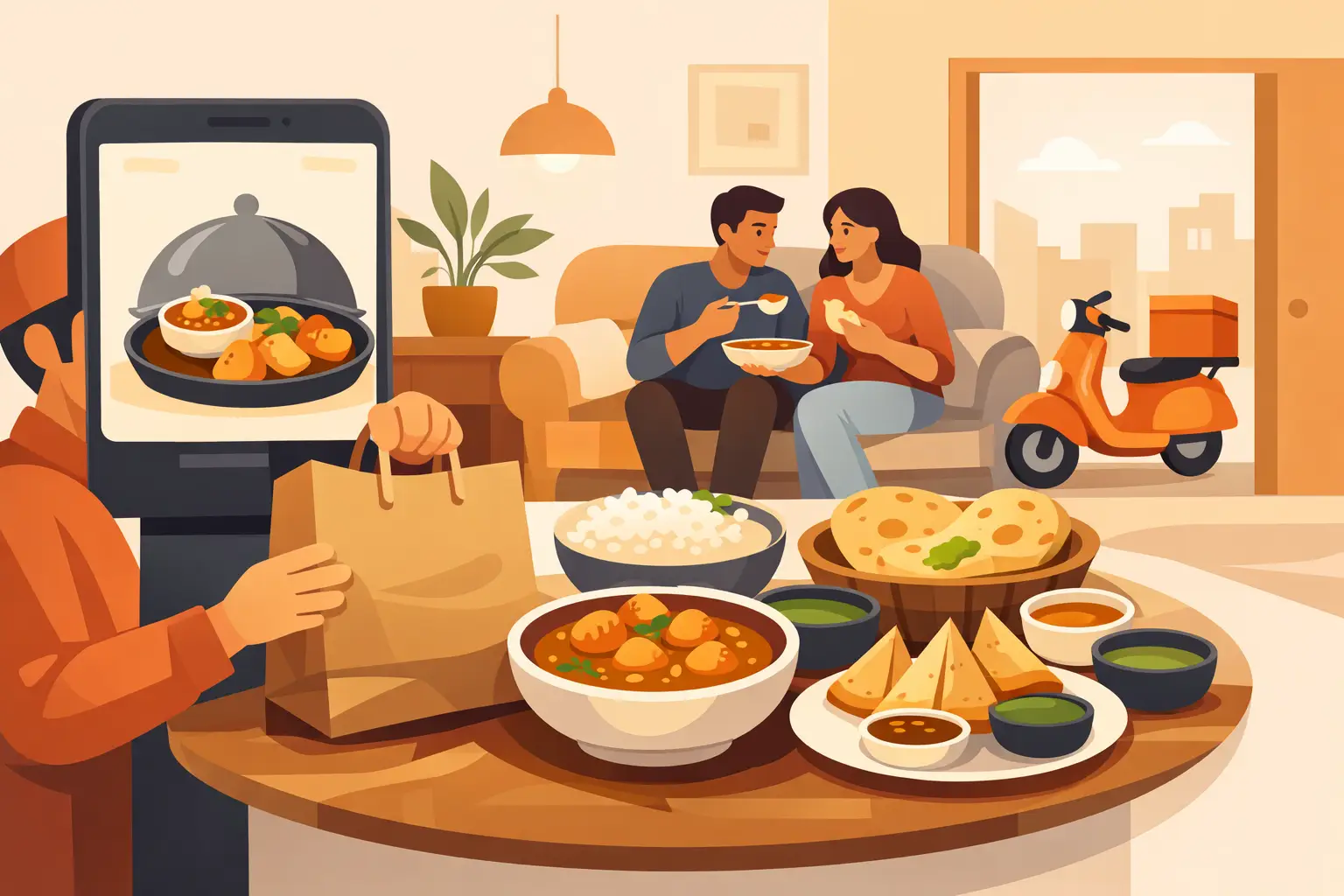
When Indian delivery is done properly, home feels a little more special. You can set out the dishes, open the containers, and immediately smell the spice, herbs, and warmth of a meal that was made with intention. That is what people are really looking for. Not just convenience, but care.
If you are ordering tonight, choose the kind of Indian delivery that treats dinner like it matters. You can taste the difference.