A good Indian meal should leave you satisfied, not sluggish. That is exactly why a guide to balanced Indian meals matters for modern diners who want the comfort, depth, and generosity of Indian cooking without the heavy feeling that often comes with a standard takeaway order.
The good news is that Indian food is naturally well suited to balance when it is prepared with care. The cuisine has always relied on contrast – grilled and slow-cooked dishes, lentils and vegetables, yogurt and spice, fresh herbs and warm aromatics. The problem is not the cuisine itself. It is usually portion size, too many rich dishes in one sitting, or choosing a meal made for indulgence rather than everyday eating.
What a balanced Indian meal actually looks like
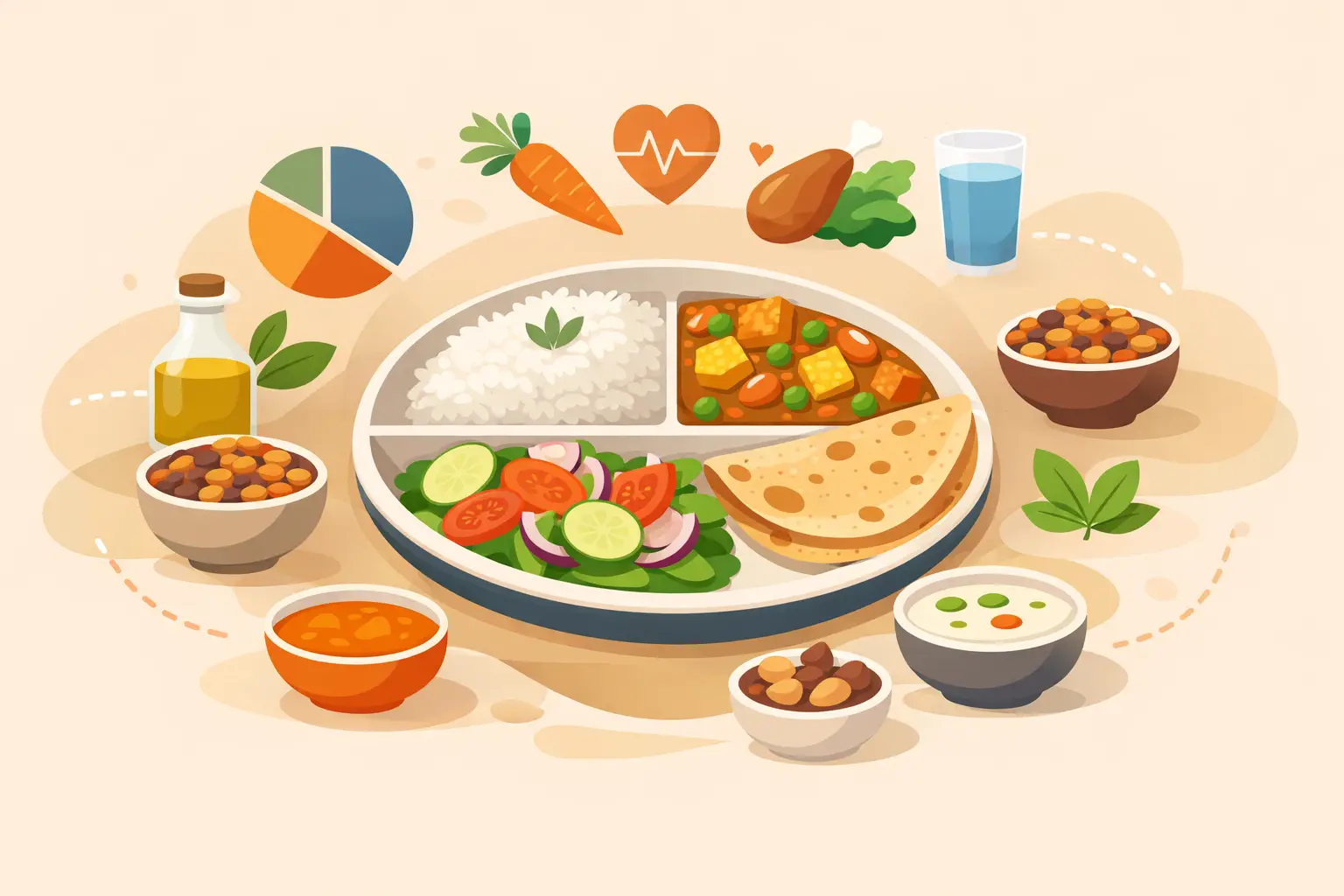
A balanced plate does not need to be strict or joyless. It should still feel generous. In simple terms, you want a mix of protein, fiber, vegetables, and enough carbohydrates to make the meal satisfying.
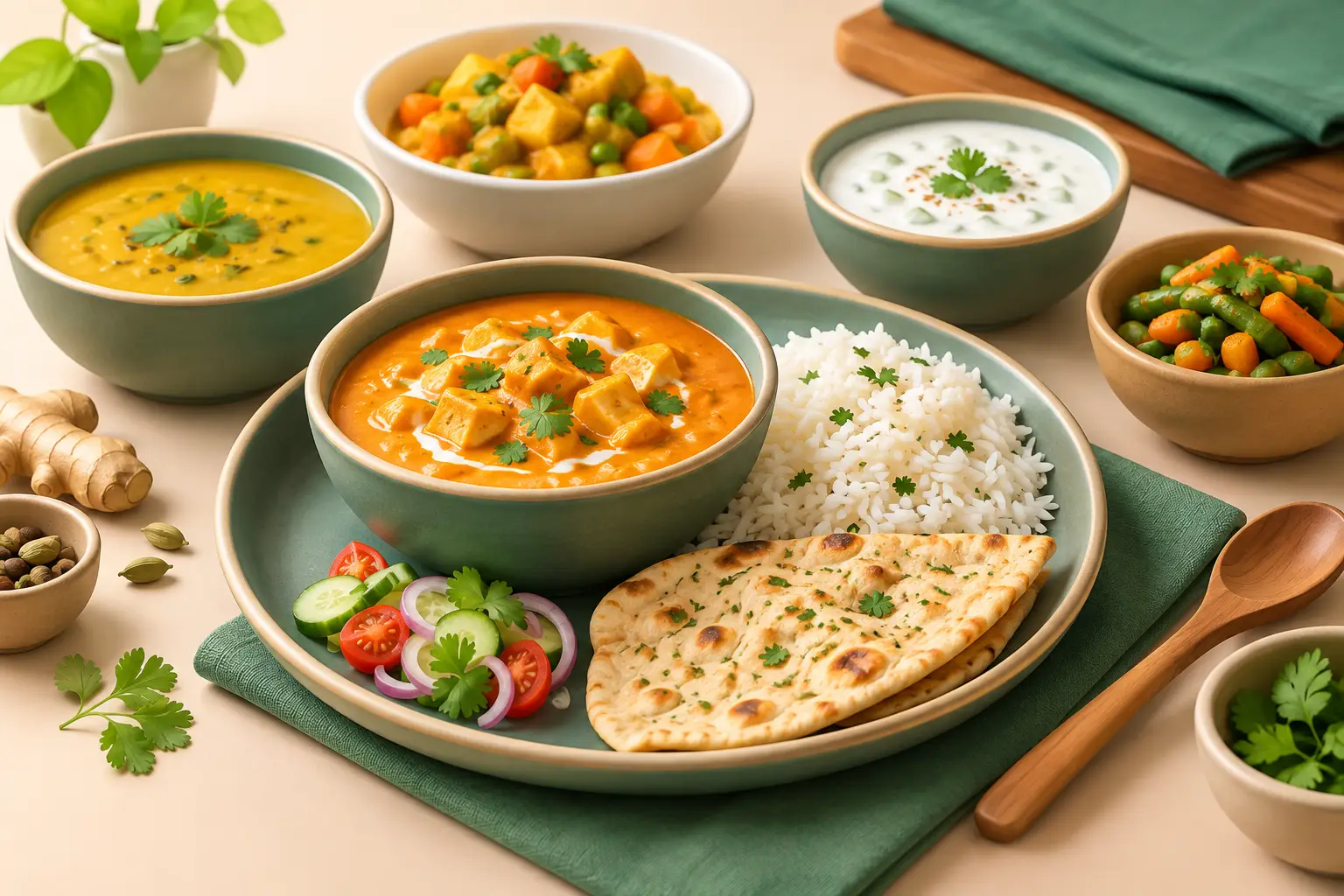
That might look like tandoori chicken with a lentil side and salad, or a chickpea curry with a sensible portion of rice and a cooling yogurt accompaniment. It could also mean a biryani served with fresh raita and a vegetable side instead of adding several creamy extras. Balance is less about cutting things out and more about combining dishes with intention.
Indian food makes this easier than many people expect because the cuisine already offers a broad mix of ingredients. Grilled meats, fish, paneer, beans, lentils, spinach, cauliflower, okra, aubergine, and fresh chutneys all have a place. When those dishes are made to order with quality ingredients, the meal feels lighter, brighter, and far more complete.
A practical guide to balanced Indian meals at home or out
If you are ordering dinner after work, planning a family meal, or booking a relaxed evening out, the same principle applies. Start by thinking in layers rather than choosing everything from the richest part of the menu.
First, pick your anchor dish. This is usually your main source of protein or substance. Tandoori chicken, grilled salmon, lamb tikka, dal, chana masala, rajma, or paneer can all work well. A tomato-based curry or dry-style dish often feels lighter than a cream-heavy option, but it depends on what else you order alongside it.
Next, add a vegetable element that does more than decorate the table. Saag dishes, mixed vegetable curry, roasted cauliflower, bhindi, or a crisp salad bring texture and freshness that stop the meal from feeling one-note. If your main is already rich, vegetables are what restore balance.
Then think about carbs. Rice and naan are not the enemy, but ordering both in large portions can push the meal from satisfying to excessive. Sometimes rice is enough. Sometimes sharing one naan between two people is all you need. If the meal includes lentils and vegetables, you may need less starch than you think.
Finally, bring in contrast. Raita, mint chutney, lemon, onions, cucumber, and fresh herbs all help. They do not just add flavor. They sharpen the meal and make richer spices feel more digestible.
The best dish combinations for everyday balance
Some combinations work especially well if you want Indian food to feel like a reliable weeknight choice rather than an occasional treat.
A tandoori main with dal and salad is one of the most dependable options. You get lean protein, fiber, and freshness, while still enjoying the smoky depth that makes Indian food so comforting. This kind of meal feels complete without becoming too heavy.
A vegetable curry paired with grilled protein is another strong choice. For example, saag paneer with chicken tikka, or aubergine curry with grilled fish, gives you variety in both texture and nutrition. It also keeps the meal interesting, which matters when you want balanced eating to feel enjoyable rather than dutiful.
For vegetarians and vegans, lentil and chickpea dishes are especially useful. Dal, chana masala, and mixed vegetable curries can create a deeply satisfying meal when paired with rice in sensible portions and a fresh side. Paneer can also be part of a balanced plate, though it is richer than lentils or beans, so it often works best with lighter accompaniments.
Biryani is the one people often assume cannot fit into a balanced meal, but that is not really true. A well-made biryani already combines protein, rice, herbs, and spice. The key is what surrounds it. If you pair it with raita and perhaps a vegetable side, it can be complete on its own. If you add buttery naan, a creamy curry, and fried starters, it becomes something else entirely.
Where balance can go off track
Most unbalanced Indian meals do not come from one dish. They come from stacking too many rich choices together.
A creamy curry, rice, naan, fried starter, and sweet drink all in one sitting will feel very different from a grilled main, dal, greens, and one shared carb. The issue is not that one approach is forbidden and the other is virtuous. It is simply about occasion. If it is a birthday dinner, indulgence may be the point. If it is your Wednesday night meal after a long day, you probably want something that satisfies without slowing you down.
Sauce style matters too. Creamy, buttery, and nut-based sauces can be delicious and absolutely have their place, but they are richer and more filling. Tomato-based curries, dry tandoori dishes, lentil preparations, and yogurt-led dishes often feel better for regular dining. That said, balance is personal. Some diners want lower carb choices, some want plant-forward meals, and some simply want food that feels less oily and more carefully prepared.
Why preparation makes such a difference
This is the part many people miss. The same dish can feel heavy or refined depending on how it is cooked.
When ingredients are fresh, oil is used thoughtfully, and dishes are made to order, Indian food keeps its character while losing that weighed-down finish people often associate with takeaway. You taste more of the spice blend, more of the herbs, more of the ingredient itself. A grilled chicken tikka should taste smoky and juicy, not greasy. A dal should feel comforting and deep, not overloaded. A curry should have body without becoming overwhelming.
That is one reason diners across Putney and nearby neighborhoods increasingly look for Indian food that feels polished as well as authentic. They want the pleasure of a proper curry, biryani, or tandoori dish, but they also want to feel good after eating it. At Cilantro London, that lighter, fresher approach is part of what makes Indian dining feel suitable for everything from a midweek delivery to a relaxed meal out.
How to order more thoughtfully without overthinking it
You do not need to count every ingredient or build the perfect plate each time. A few simple habits go a long way.
Choose one rich item, not three. If you want a creamy curry, keep the sides lighter. If you are set on naan, maybe skip the fried starter. If you want biryani, let it be the centerpiece rather than one part of an oversized spread.
Share where it makes sense. Indian food is built for the table, and sharing naturally creates variety without excess. It also lets you enjoy both comfort and freshness in the same meal.
Pay attention to how you want to feel afterward. A date night order may be different from a solo dinner between meetings. A family meal may call for broad appeal, while your own lunch might lean toward grilled dishes and vegetables. Balance is not fixed. It should fit the moment.
A guide to balanced Indian meals for different diets
Indian cuisine is especially flexible for modern eating preferences. Vegetarians have strong options through lentils, chickpeas, paneer, and vegetable curries. Vegans can build excellent meals around dal, chana, aubergine, okra, and many dry-style vegetable dishes. Gluten-free diners often have plenty of naturally suitable choices as well, especially with rice-based meals and grilled mains.
The trade-off is that not every dish within those categories is equally light. A vegan meal can still be overly heavy if it centers on fried dishes and oversized portions. A gluten-free meal can still lack balance if it is all starch and no vegetables or protein. Dietary labels help, but they do not replace thoughtful combinations.
The best approach is to look for a meal with substance, freshness, and variety. If your order has one clear protein source, one vegetable component, and one satisfying carb, you are usually in good territory.
Indian food has always offered more balance than it gets credit for. When you choose carefully and order from a kitchen that values freshness, authenticity, and restraint as much as flavor, the meal feels generous in all the right ways. The next time you order, aim for a plate that comforts you, energizes you, and still leaves room to enjoy every bite.