You do not need to give up curry to eat well. The real trick is knowing how to pick healthy curry options without ending up with a meal that feels bland, skimpy, or unsatisfying. A good curry should still feel comforting and full of character – just better balanced, fresher, and less weighed down by excess oil, cream, or oversized sides.
That matters because Indian food often gets judged unfairly. People assume curry always means something heavy, rich, and best saved for a cheat day. In reality, many Indian dishes are built on spices, herbs, tomatoes, lentils, grilled meats, and vegetable-based sauces. The difference usually comes down to preparation, portion balance, and the choices you make around the main dish.
How to pick healthy curry options without sacrificing flavor
The healthiest curry on a menu is not always the one that sounds the most virtuous. Sometimes a dish labeled mild or simple is loaded with cream, butter, or sugar, while something with bold spice and a deeper color is actually lighter. When you are choosing well, look past the marketing words and think about what the dish is made from.
Tomato-based curries are often a strong place to start. They tend to feel bright, layered, and satisfying without relying on heavy dairy. Onion-based sauces can also be a smart choice, especially when they are cooked down for depth rather than padded out with cream. If the menu mentions yogurt, fresh herbs, ginger, garlic, or dry-roasted spices, that is often a sign of a dish built on flavor rather than richness alone.
Creamier sauces are not off-limits, but they deserve a little more attention. Korma, makhani, and some masala-style curries can be delicious, yet they are usually richer because they lean on cream, butter, cashews, or coconut. That does not make them bad. It simply means they are better treated as an occasional choice, or paired more carefully with lighter sides.
Start with the cooking style, not just the name
One of the easiest ways to make a better choice is to focus on how the food is cooked. Tandoori dishes are often naturally lighter because they are marinated and then cooked in high heat rather than simmered in a rich sauce. The result still delivers depth, char, and spice, but with less heaviness.
Grilled chicken, paneer, fish, or vegetables can give you everything you want from Indian food – aroma, texture, warmth, and complexity – without the extra weight that can come from thick sauces. If you do want a curry, dishes made to order with fresh ingredients usually feel cleaner on the palate than versions that sit too long or rely on oil to carry flavor.
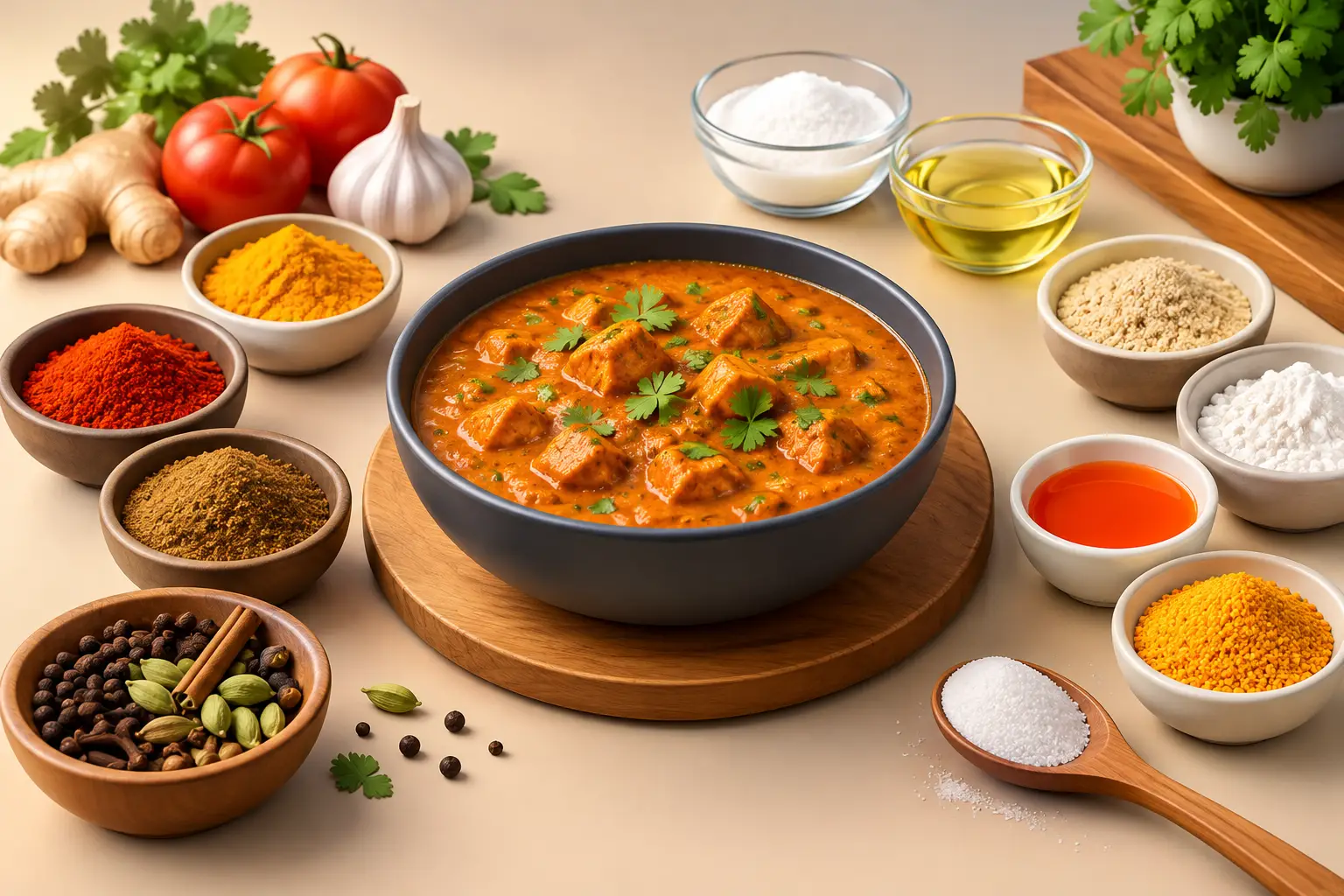
This is where quality matters. A well-made curry should taste vibrant, not greasy. The spices should come through clearly. You should notice the freshness of the tomatoes, the lift of coriander, the warmth of cumin, and the brightness of ginger. When the kitchen takes care with ingredients and preparation, healthier choices do not feel like a compromise.
Protein choices can change the whole meal
If you are deciding between curries and want the healthier option, the protein often matters just as much as the sauce. Chicken is usually a dependable choice because it pairs well with lighter preparations and does not need much fat to stay flavorful. Fish can be another excellent option, especially in curries that let the spice and sauce stay clean and balanced.
Lamb is richer and more indulgent, which can be ideal when you want something deeply comforting, but it is usually not the lightest route. Paneer sits somewhere in the middle. It offers substance and works beautifully with spice, though it can make the meal heavier depending on the portion and sauce.
Vegetarian curries can be very balanced, especially when they are built around lentils, chickpeas, spinach, cauliflower, aubergine, or okra. A dal made with restraint can be nourishing and satisfying without feeling excessive. Chana-based dishes can also be a smart pick if you want fiber and staying power. The key is still the preparation. Even a vegetable curry can become heavy if it is swimming in oil.
Watch the sides – that is where healthy meals drift off course
A common mistake is choosing a relatively balanced curry, then surrounding it with enough rice, naan, starters, and extras to double the meal. If you are learning how to pick healthy curry options, this is the part that makes the biggest difference.
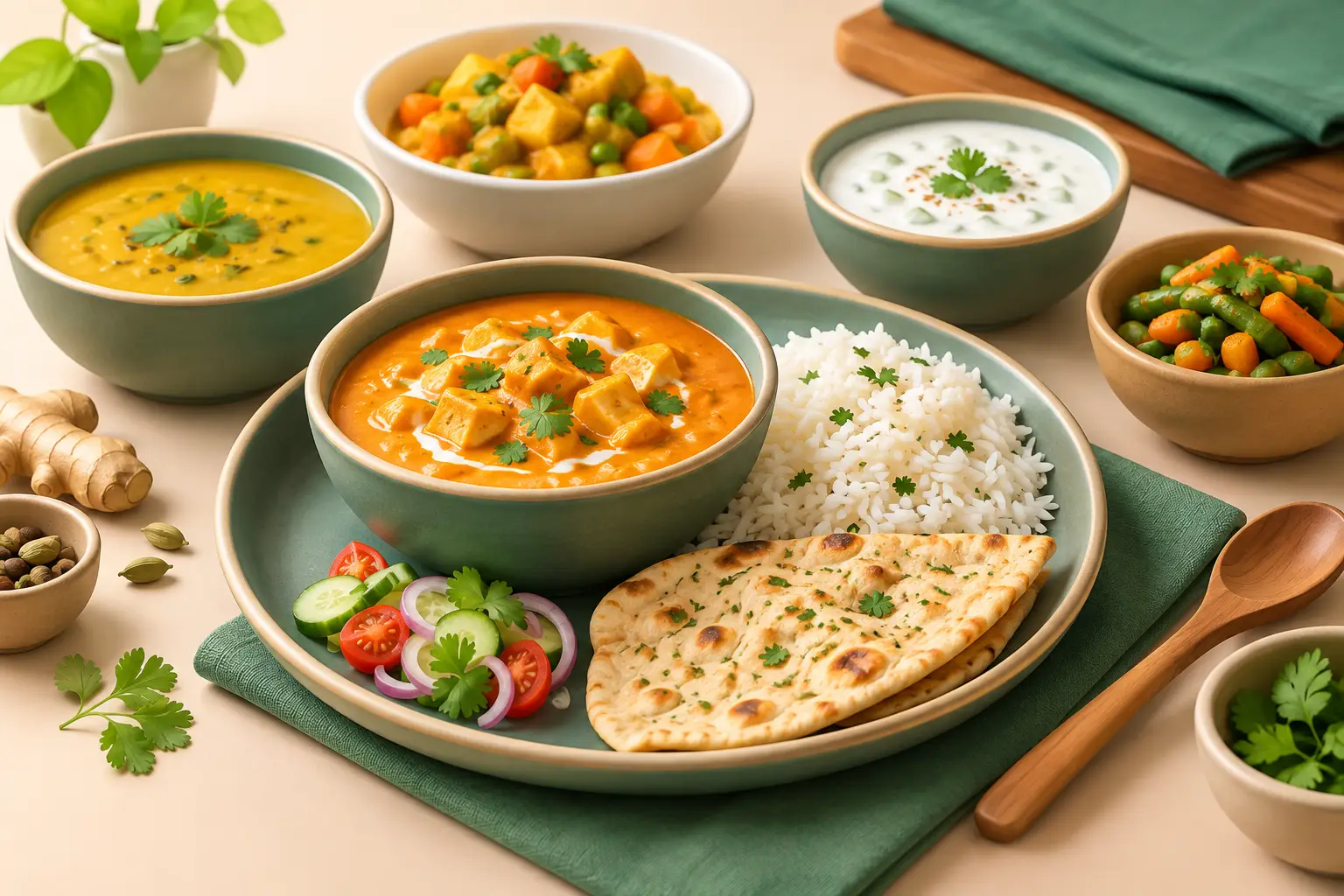
Rice is not the enemy, but portion size matters. A sensible serving alongside your curry gives you a complete meal. A huge mound, especially with naan on the side, can turn a well-judged order into something far more filling than you intended. If you love bread, choose one side you genuinely want instead of ordering rice and naan by default.
Starters deserve the same thinking. Grilled or tandoori starters often keep the meal feeling lighter and more focused. Fried snacks can absolutely have their place, especially when you are sharing, but they add up quickly before the main even arrives. If you are eating on a regular weeknight, a fresh salad or a grilled starter may leave you feeling far better afterward.
Healthy curry choices depend on what you need from the meal
There is no single perfect order for every diner. A healthy choice depends on whether you want a quick lunch, a post-work dinner, a family takeaway, or a more indulgent weekend meal. If you need something energizing and not too heavy, a tomato-based chicken curry with a measured portion of rice makes sense. If you want a satisfying vegetarian dinner, a lentil or chickpea dish with greens may be the better fit.
For families or groups, balance across the table often works better than trying to make every dish ultra-light. You might choose one richer curry, one grilled dish, one vegetable side, and one rice to share. That way the meal still feels generous and celebratory, but it does not lean too far into excess.
This is also why a thoughtful Indian restaurant stands out. When the menu includes well-prepared vegan, vegetarian, and gluten-free options, plus fresher grilled dishes and lighter curries, it becomes much easier to eat in a way that suits real life. In Putney and nearby neighborhoods, that matters for people who want dinner to feel convenient and comforting without the usual takeaway regret.
What to ask or look for when ordering
You do not need to interrogate the menu, but a few cues can help. Look for dishes described as grilled, tandoori, tomato-based, spiced with herbs, or cooked with lentils and vegetables. Be a little more cautious with words like creamy, buttery, rich, or cashew-based if your goal is a lighter meal.
If you are ordering takeaway, think about what travels well without becoming heavy. Freshly cooked curries with clean sauces usually hold up better than dishes that rely on lots of dairy or oil. A restaurant that cooks to order and takes pride in fresh ingredients will often deliver food that tastes clearer, brighter, and better balanced at home too.
It can also help to order with the next hour in mind. Ask yourself whether you want to feel restored and satisfied, or ready for a nap. That sounds simple, but it is often the easiest filter.
The best healthy curry is one you will actually enjoy
Food does not have to feel strict to be healthy. In fact, the best choices are usually the ones that still feel generous, flavorful, and worth ordering again. If a curry is made with care, proper spice balance, and fresh ingredients, it can absolutely be part of a lighter way of eating.
That is why the smartest approach is not chasing the plainest dish on the menu. It is choosing food with honest depth, balanced sides, and a cooking style that lets the ingredients speak for themselves. At a restaurant such as Cilantro London, that can mean enjoying authentic Indian food in a way that feels refined, comforting, and much easier to fit into everyday life.
The next time you order, trust your appetite but be a little more selective. A lighter curry should still feel like a treat, just one that leaves you feeling good long after the last bite.