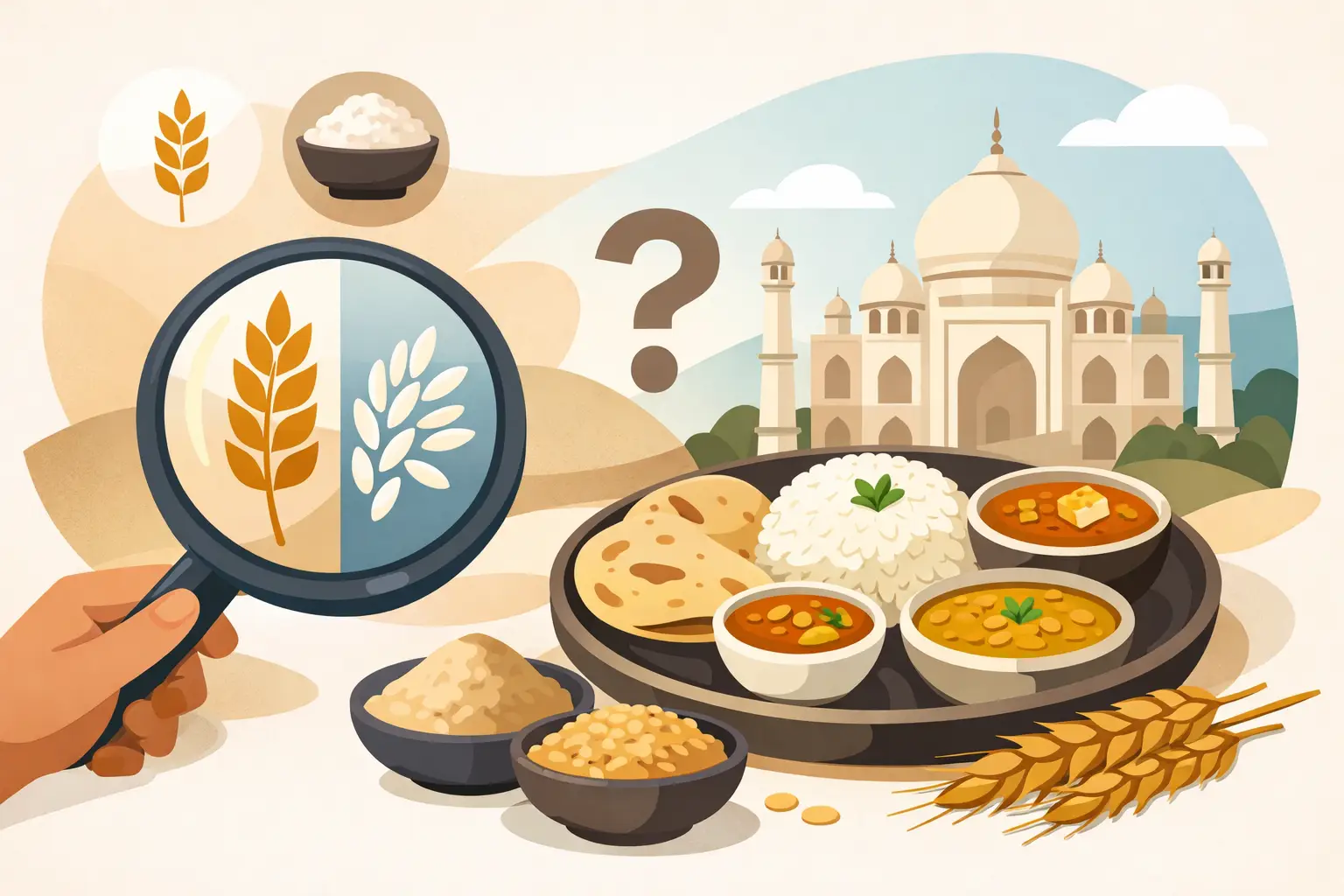
If you’ve ever scanned an Indian menu while avoiding gluten, you’ve probably had the same question: is indian food gluten free, or does it only seem that way? The honest answer is that a lot of Indian food can be naturally gluten-free, but it depends on the dish, the cooking method, and how carefully the kitchen handles ingredients.
That mix of good news and caution is what makes Indian food both exciting and tricky for gluten-free diners. Many of the flavors come from spices, lentils, rice, yogurt, vegetables, and grilled meats – ingredients that are naturally free from gluten. But breads, some fried items, certain sauces, and cross-contact in the kitchen can quickly change the picture.
Is Indian food gluten free by default?
Not by default, no. Indian cuisine is broad, regional, and deeply varied, so there is no single rule that covers every curry, snack, or side dish. Still, compared with some other cuisines, Indian food often offers more naturally gluten-free options because rice, chickpea flour, lentils, and fresh whole ingredients play such a big role.
That’s why many people who avoid wheat feel they have better odds at an Indian restaurant than at a pizza place or sandwich shop. A simple tandoori dish with rice may be completely suitable, while a creamy curry thickened with flour or served with naan obviously is not. The cuisine itself gives you plenty of opportunities, but the menu still needs a closer look.
The Indian dishes that are often gluten-free
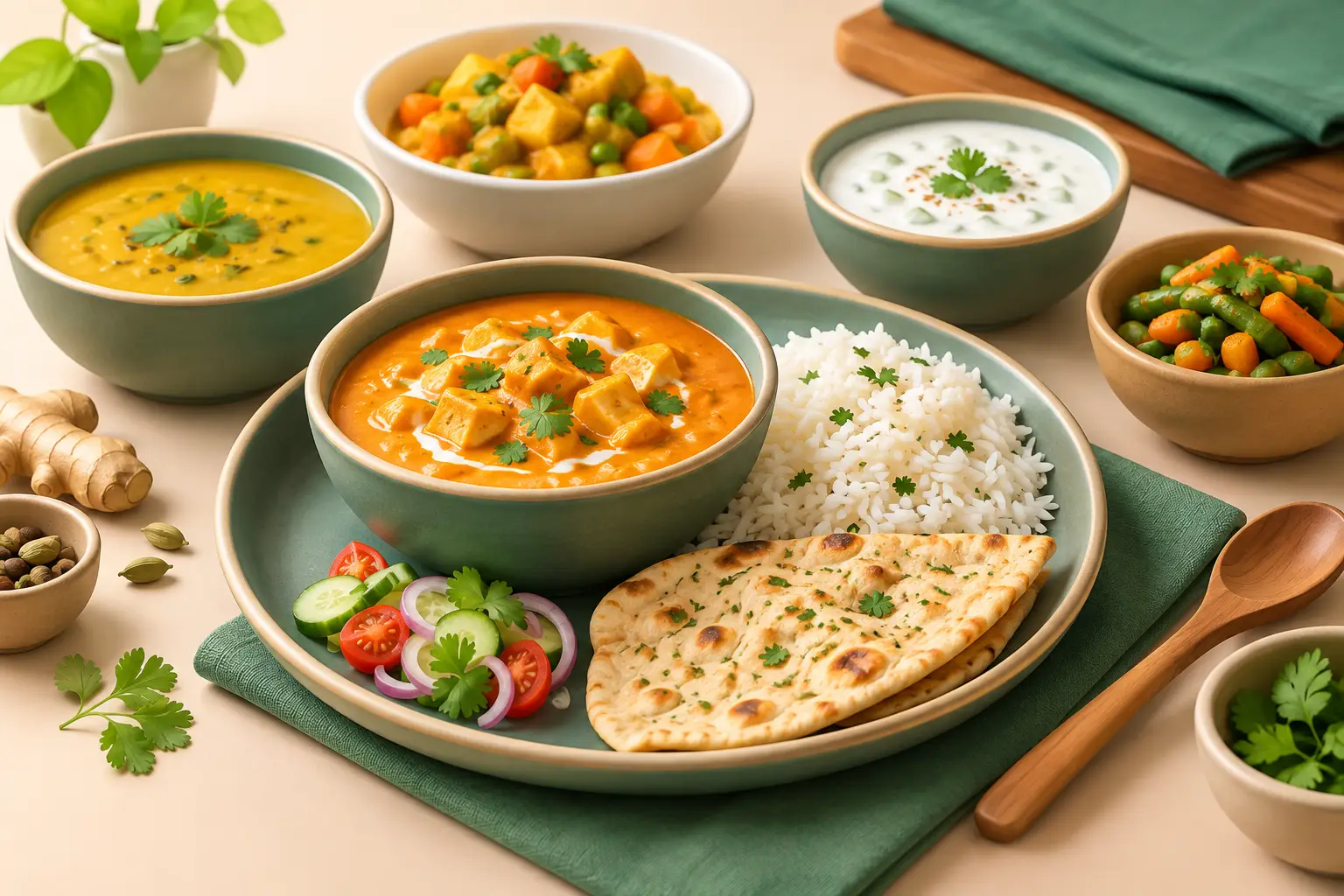
Rice is one of the safest places to start. Plain basmati rice, jeera rice, lemon rice, and many biryanis are often gluten-free, assuming no wheat-based additives are used. Lentil-based dishes such as dal can also be a strong option, especially when made from straightforward ingredients.
Tandoori cooking is another area where gluten-free diners often do well. Chicken tikka, fish tikka, paneer tikka, and other grilled dishes are usually marinated in yogurt, spices, garlic, ginger, and lemon rather than flour. When prepared traditionally, they can be full of flavor without relying on gluten at all.
Many curries also fit comfortably into a gluten-free diet. Tomato-based sauces, coconut-based curries, and dishes built around onions, spices, and slow-cooked aromatics are often naturally free from wheat. Chana masala, saag dishes, some prawn curries, and many vegetable curries can fall into this category.
Indian food can also be a good match for people who want meals that feel balanced rather than heavy. Grilled proteins, legumes, and vegetable-rich mains give you real choice, especially when the kitchen focuses on fresh preparation instead of overly thick sauces and unnecessary fillers.
Where gluten usually shows up
The most obvious source is bread. Naan, roti, paratha, kulcha, and chapati are generally made with wheat flour, so they are not gluten-free. If you’re ordering a curry and rice, the meal may still work perfectly well – but the bread basket won’t.
Then there are the less obvious sources. Some curries are thickened with wheat flour. Some marinades contain ingredients that include gluten. Fried starters may be coated in flour or cooked in oil that has also been used for breaded items. Even spice blends and ready-made sauces can sometimes contain hidden gluten, depending on how they are produced.
Pakoras are a good example of how this can get confusing. Traditionally, many are made with gram flour, which is chickpea flour and naturally gluten-free. But recipes vary. Some kitchens add wheat flour for texture, while others use shared fryers that create cross-contact. A dish that sounds safe on paper is not always safe in practice.
Hidden gluten on an Indian menu
If you eat gluten-free regularly, you already know that the problem isn’t always the obvious ingredients. With Indian food, hidden gluten tends to appear in a few predictable places.
Starters can be one of them. Samosas are usually made with wheat pastry. Onion bhajis may be made with gram flour, but that isn’t universal. Street-food-style snacks often have more variation than classic mains, so they’re worth asking about.
Sauces and condiments deserve attention too. Some restaurants use a small amount of flour to stabilize a sauce. Others may add soy sauce to Indo-Chinese dishes, and standard soy sauce often contains wheat. If a menu includes fusion items, crispy appetizers, or dishes with a glossy sauce, it’s smart to check.
Desserts can also surprise people. Some sweets are based on milk, nuts, or gram flour and may be fine, while others include semolina or wheat. Gluten-free dining is much easier when the kitchen can answer clearly rather than guess.
How to order Indian food gluten-free with confidence
The best approach is simple: ask direct, practical questions. Rather than only asking whether a dish is gluten-free, ask how it’s made. Is the sauce thickened with flour? Is the marinade wheat-free? Is the fryer shared with breaded items? Can the dish be served with rice instead of bread?
This matters because many Indian dishes are flexible. A kitchen that cooks to order can often make small adjustments without compromising flavor. Swapping naan for rice is easy. Leaving out a garnish or changing a side is often easy too. The more transparent and knowledgeable the restaurant is, the more relaxed the experience becomes.
If you are highly sensitive or have celiac disease, cross-contact should be part of the conversation, not an afterthought. A dish may contain no gluten ingredients and still be risky if it is prepared on the same surface as bread or fried in shared oil. Good restaurants will understand the difference and answer carefully.
Is Indian food gluten free enough for celiac diners?
Sometimes yes, but this is where the details matter most. Indian cuisine offers a strong foundation for gluten-free eating, but celiac-safe dining depends less on the cuisine and more on the kitchen’s processes.
A restaurant that prepares food fresh, knows its ingredients, and takes dietary requests seriously can often provide excellent options. A restaurant that relies on vague answers or pre-made sauces is harder to trust. For celiac diners, confidence comes from clarity.
That is one reason more modern Indian restaurants are becoming a better fit for dietary needs. Kitchens that focus on fresh ingredients, made-to-order cooking, and lighter preparation often have a clearer understanding of what goes into each dish. That makes it easier to identify naturally gluten-free choices without losing the authenticity that makes the meal worth ordering in the first place.
What a better gluten-free Indian meal looks like
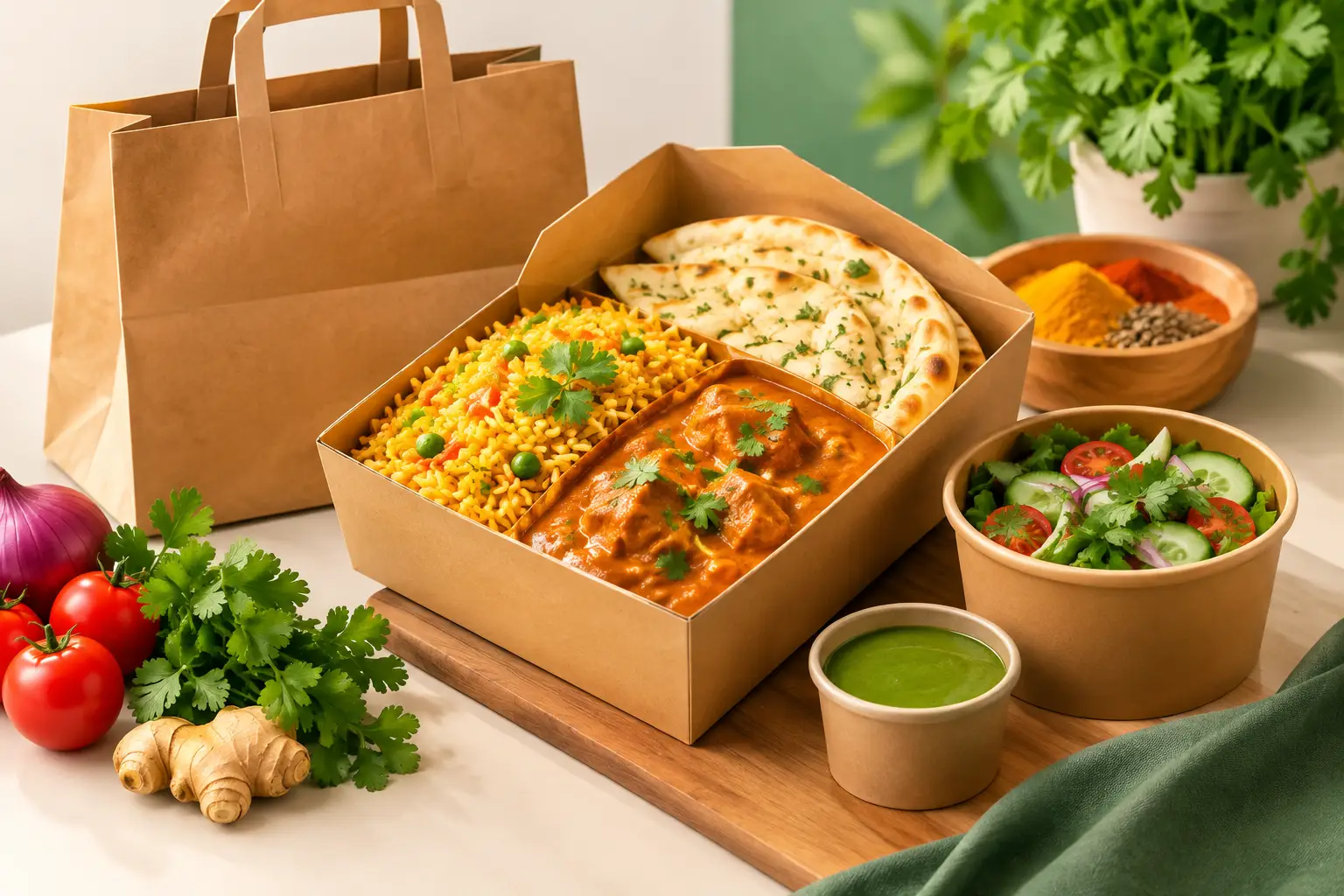
A strong gluten-free Indian order often starts with a grilled starter or a lentil-based dish, followed by a curry or tandoori main with basmati rice. That combination gives you depth of flavor, plenty of variety, and none of the heaviness people sometimes associate with standard takeaway food.
It also reflects what many diners want now: authentic food that feels fresh, carefully prepared, and inclusive of different dietary needs. For local diners in Putney and nearby neighborhoods, that means you shouldn’t have to choose between eating well and eating safely. You should be able to enjoy properly spiced Indian food that feels considered from the first bite to the last.
At a restaurant like Cilantro London, that balance matters. Authentic recipes, fresh ingredients, and thoughtful preparation make it much easier for gluten-free guests to find dishes they can genuinely enjoy, whether they’re sitting down for dinner or ordering in after work.
So, is indian food gluten free?
Often, yes – but not automatically. Indian cuisine includes many naturally gluten-free dishes, especially those built around rice, lentils, vegetables, yogurt marinades, and tandoori cooking. At the same time, breads, some fried snacks, flour-thickened sauces, and cross-contact in the kitchen can all introduce gluten where you may not expect it.
The good news is that gluten-free dining at an Indian restaurant doesn’t have to feel restrictive. When the food is prepared with care and the kitchen understands what it’s serving, you can still enjoy rich curries, fragrant rice, grilled meats, vibrant vegetarian dishes, and all the comfort that makes Indian food such a favorite. The smartest move is to ask a few clear questions, order simply, and choose a restaurant that treats dietary needs with the same care it gives flavor.