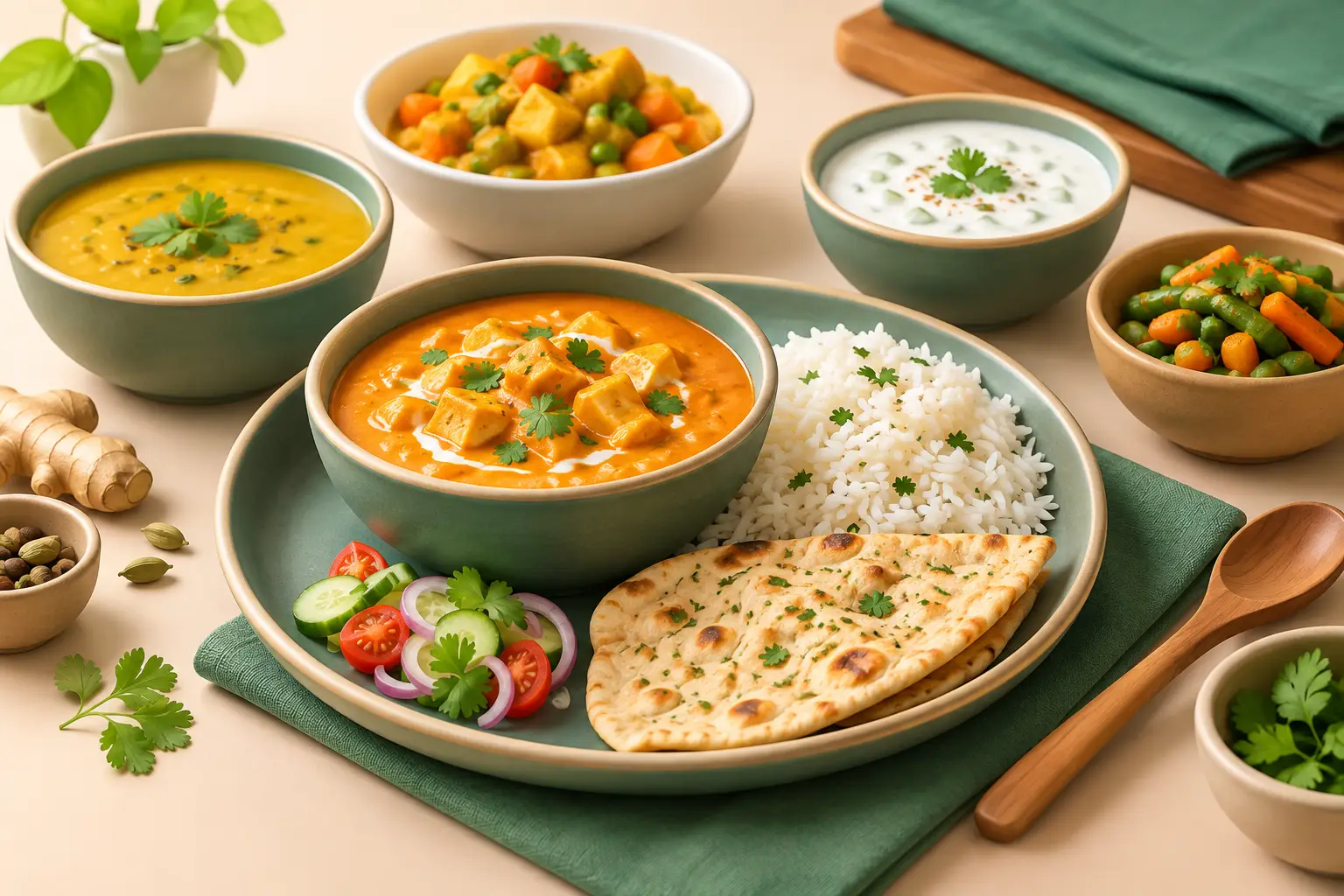
You know the moment. You are scanning an Indian menu, everything sounds excellent, and then one question decides your whole order: how spicy is this actually going to be? A good guide to Indian spice levels helps take the guesswork out of ordering, especially if you want flavor, warmth, and depth without ending up with a dish that overwhelms the table.
The first thing to know is that Indian food is not simply a scale from mild to hot. Spice level is only one part of the experience. The better question is how heat, aroma, richness, and freshness work together in each dish. A well-made curry should never taste hot for the sake of being hot. It should taste layered, balanced, and intentional.
What Indian spice levels really mean
When people say a dish is spicy, they often mean one of two different things. Sometimes they mean heat from chili. Other times they mean the dish is full of spices such as cumin, coriander, cardamom, turmeric, black pepper, mustard seed, fenugreek, or clove. Those are not the same thing.
A dish can be richly spiced and still quite mild. Korma is the obvious example. It may contain several ground spices, but the overall effect is soft, rounded, and gentle rather than fiery. On the other hand, a vindaloo or a madras usually announces itself more directly through chili heat.
That distinction matters because many diners avoid dishes they would actually enjoy. If you like depth but not intense heat, there is a wide middle ground in Indian cooking that offers plenty of character without crossing into challenging territory.
A practical guide to Indian spice levels
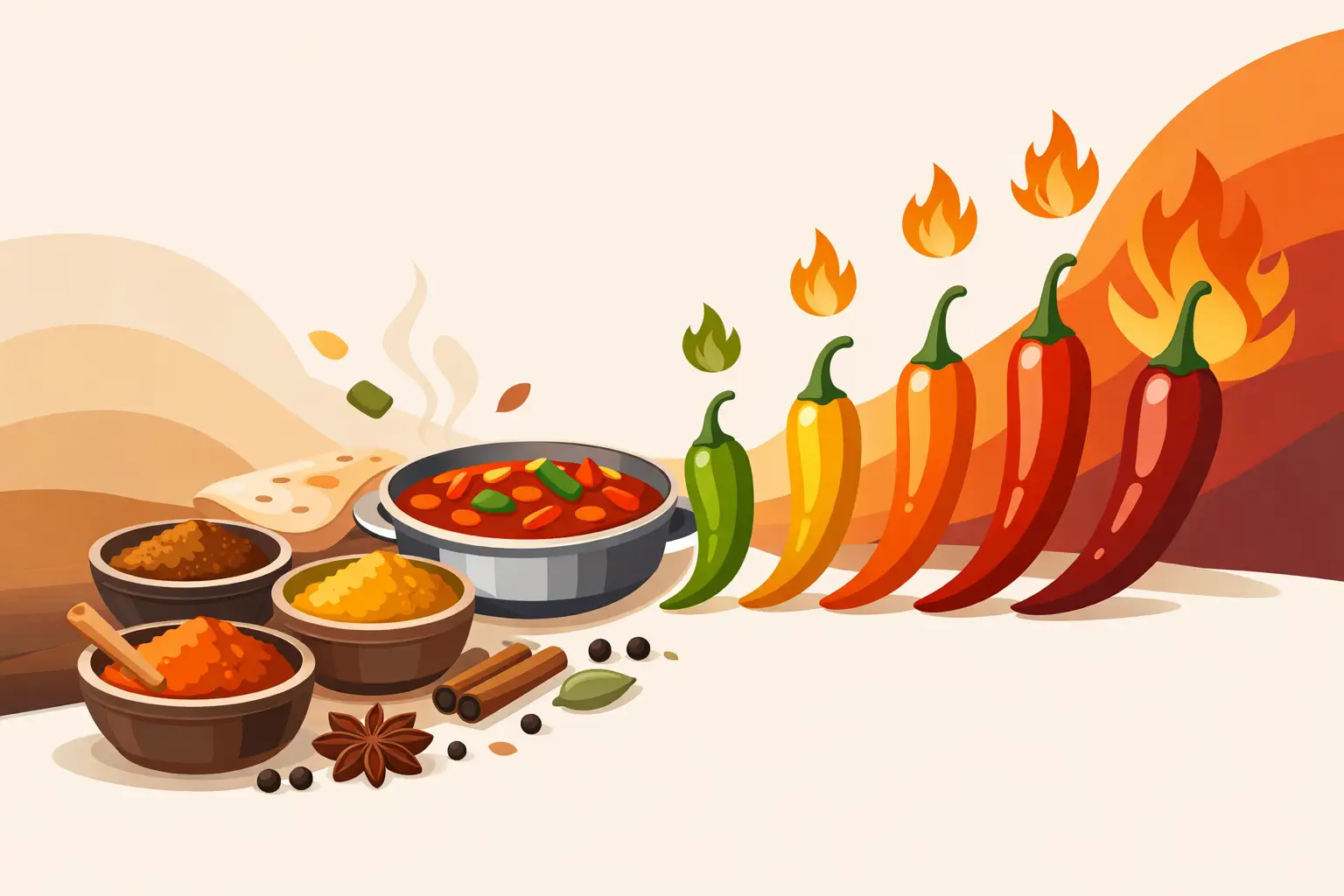
The easiest way to think about Indian spice levels is in five bands: mild, mild-medium, medium, medium-hot, and hot. Those categories are not universal across every kitchen, because recipes, regional styles, and chefs all vary. Still, they give you a reliable starting point.
Mild
Mild dishes focus on fragrance, creaminess, sweetness, or gentle warmth. You may taste ginger, cinnamon, cardamom, or turmeric, but very little active chili heat. Korma often sits here, along with some butter chicken preparations and lighter coconut-based curries. Tandoori dishes can also feel mild because the spice is built into the marinade rather than delivered as a strong chili sauce.
This is the safest choice for children, cautious eaters, or anyone ordering a comforting meal after a long day. Mild does not mean bland when the food is made properly. It should still taste fresh and complete.
Mild-medium
This is where many regular Indian food lovers are happiest. You get a little lift on the palate, but it does not dominate the dish. A tikka masala, a balti, or certain jalfrezi preparations may fall into this range depending on the kitchen.
Mild-medium works well if you want enough warmth to keep the dish lively while still tasting the sauce, the meat or vegetables, and the underlying spice blend. For date night, group orders, or office lunches, this level is often the safest shared ground.
Medium
Medium heat is where chili becomes a clear feature, not just a background note. You will feel it, but ideally you will still be tasting the rest of the dish. Many bhuna dishes, some rogan josh recipes, and fuller-bodied house curries live here.
For experienced diners, medium often feels like the sweet spot. It gives structure and energy to the plate. Still, medium can vary more than people expect. One restaurant’s medium may be another’s medium-hot, particularly if fresh green chilies are involved.
Medium-hot
At this stage, the heat is assertive. It builds as you eat and tends to linger. Madras often lands here, as do spicier jalfrezi dishes and some regional specialties that lean more heavily on chili.
Medium-hot is a good choice if you actively enjoy heat and want it to shape the meal. It is less ideal if you are also drinking lightly, sharing several dishes, or hoping for something delicate. Heat changes how you experience texture and seasoning, so stronger spice can flatten subtler flavors if it is not balanced carefully.
Hot
This is the category people usually mean when they say they want something properly spicy. Vindaloo is the best-known example, although truly hot dishes appear in many regional traditions. The heat can come fast or build gradually, and the best versions still keep acidity, spice complexity, and savory depth in balance.
Hot dishes are rewarding if that is genuinely your preference. They are less rewarding when ordered for pride. There is no prize for choosing a level that prevents you from enjoying the cooking.
Why the same dish can taste hotter at different restaurants
No honest guide to Indian spice levels should pretend there is a universal rulebook. The same curry name can mean different things depending on the chef, the region, and the house style.
A few factors make a real difference. Fresh chilies tend to produce a cleaner, sharper heat than dried chili powder. Tomato-based sauces can carry spice differently from cream-based or coconut-based sauces. A dish cooked to order may also be adjusted more precisely than one built from a fixed base.
This is especially relevant if you prefer Indian food that feels fresher and lighter. Cleaner preparation often makes spices taste brighter and more defined, which can make a dish seem more vivid even when the actual chili level is not extreme. That is usually a good sign. It means the kitchen is aiming for flavor, not just heaviness.
How to order the right spice level for you
If you enjoy Indian food but are tired of rolling the dice, be specific. Saying “not too spicy” can mean almost anything. It is more useful to explain what you like. For example, you might say you enjoy warmth but not intense chili, or that you want medium flavor with mild heat.
It also helps to order with the whole meal in mind. If you are pairing a curry with rice, bread, grilled starters, and sides, you can afford one spicier dish because the rest of the table creates balance. If you are ordering just one main for delivery on a busy weeknight, something in the mild-medium or medium range often travels better and feels more satisfying from first bite to last.
If you are trying a new restaurant, start one step lower than your instinct. You can always go hotter next time. That is particularly true for diners who are used to supermarket ready meals or generic takeaway labels. Restaurant cooking tends to have more nuance, and the heat may present itself differently.
Best spice levels for popular Indian dishes
Some dishes naturally lean in one direction, although every kitchen has its own style. Korma is usually mild. Tikka masala often sits between mild and medium. Bhuna is commonly medium because the reduced sauce holds spice more closely. Jalfrezi often trends medium to medium-hot thanks to chilies and peppers. Madras is usually medium-hot, while vindaloo is generally hot.
Biryani is its own case. People often assume biryani will be hot, but it is more often aromatic than fiery. The focus is layered rice, whole spices, herbs, and slow-developed flavor. If you want depth without a heavy sauce, biryani is often a smart choice.
Tandoori dishes can also surprise people. They may look bold because of the marinade and color, but they are not always especially hot. They are often one of the best options for diners who want clear spice flavor in a lighter format.
Spice level and dietary preferences
Heat interacts differently with different styles of eating. Creamy sauces can soften chili. Tomato and vinegar can sharpen it. Vegan dishes built around lentils or chickpeas may carry spice in a steadier, drier way than cream-based curries. Grilled dishes can taste punchier because there is less sauce to cushion the seasoning.
If you prefer lighter meals, you do not need to settle for mild food. In fact, fresh herbs, citrus, ginger, and well-judged spices often stand out better in lighter cooking. The key is balance. A thoughtful kitchen can deliver plenty of flavor without relying on oil, excess cream, or a blunt hit of chili.
A better way to think about heat
The best Indian meals are not tests of endurance. They are built around comfort, appetite, and pleasure. The right spice level should make you want the next bite, not reach for a glass of water after every mouthful.
That is why good restaurants take spice preferences seriously. At Cilantro London, the aim is not simply to make dishes hotter or milder on request, but to keep them balanced, fresh, and true to the style of the dish. That gives diners more confidence whether they are booking a relaxed dinner, picking up a family takeaway, or ordering in after work.
If you have ever felt unsure about what “medium” or “hot” really means on an Indian menu, trust your own palate over bravado. Order for enjoyment, ask for guidance when you need it, and let spice support the meal rather than dominate it. That is where Indian food becomes most memorable.